
Topkapı Palace
The sultans’ palace on Sarayburnu: courtyards, the Imperial Council, the treasury and the terraces over the water. Dated entry, sold online on its own site.
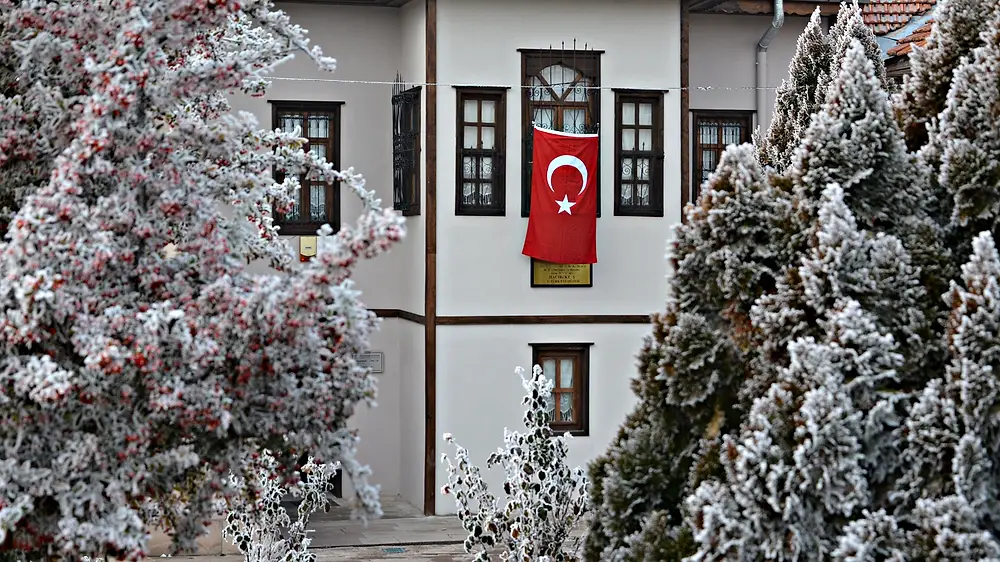
A museum in the dervish lodge complex of Hacı Bektaş Veli, the thirteenth-century Anatolian mystic, in the town of Hacıbektaş in Nevşehir province.
Hacı Bektaş Veli was a mystic and thinker with an egalitarian, humane outlook who is believed to have lived in the thirteenth century. Born in Nishapur, he studied philosophy and the social and natural sciences in Khorasan, in the circle of Hoca Ahmed Yesevi, then came to Anatolia and founded a lodge in what is now the town of Hacıbektaş to spread his teaching. The complex around it has been a museum since 1964.
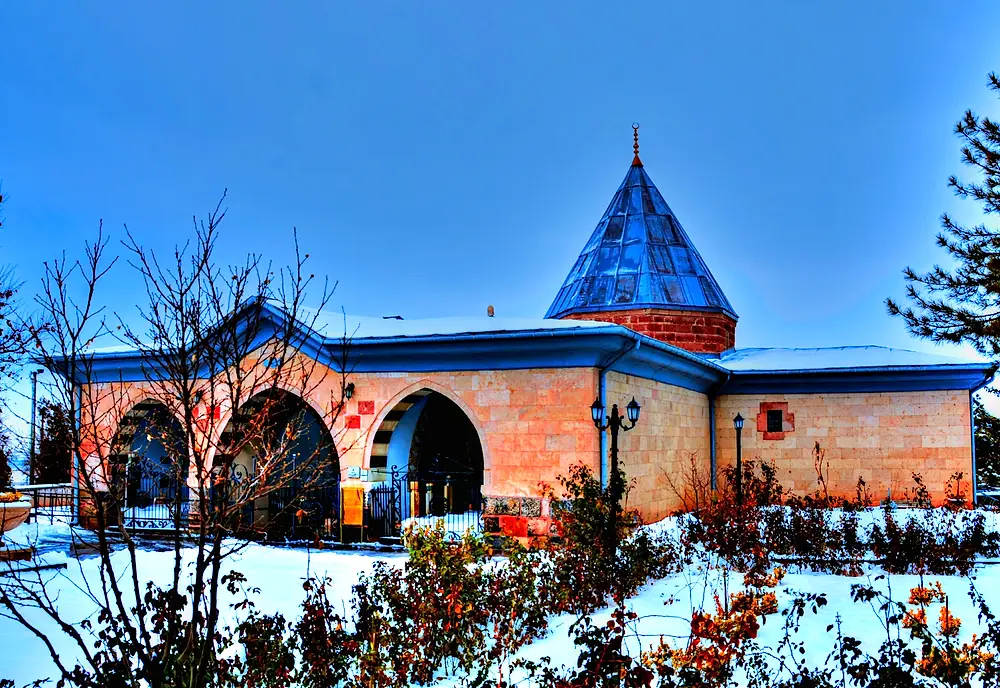
The Haji Bektash Veli Complex is arranged around three courtyards. Visitors pass through the monumental gate, rebuilt faithfully in 1963, and see the Üçler Fountain, built by Fatma Fikriye Hanım, wife of Grand Vizier Halil Pasha. Other sites include the Soup Kitchen, the Kızılca Halvet cell of seclusion, the Lion Fountain and the Pir House, which holds the tomb of Hacı Bektaş Veli.
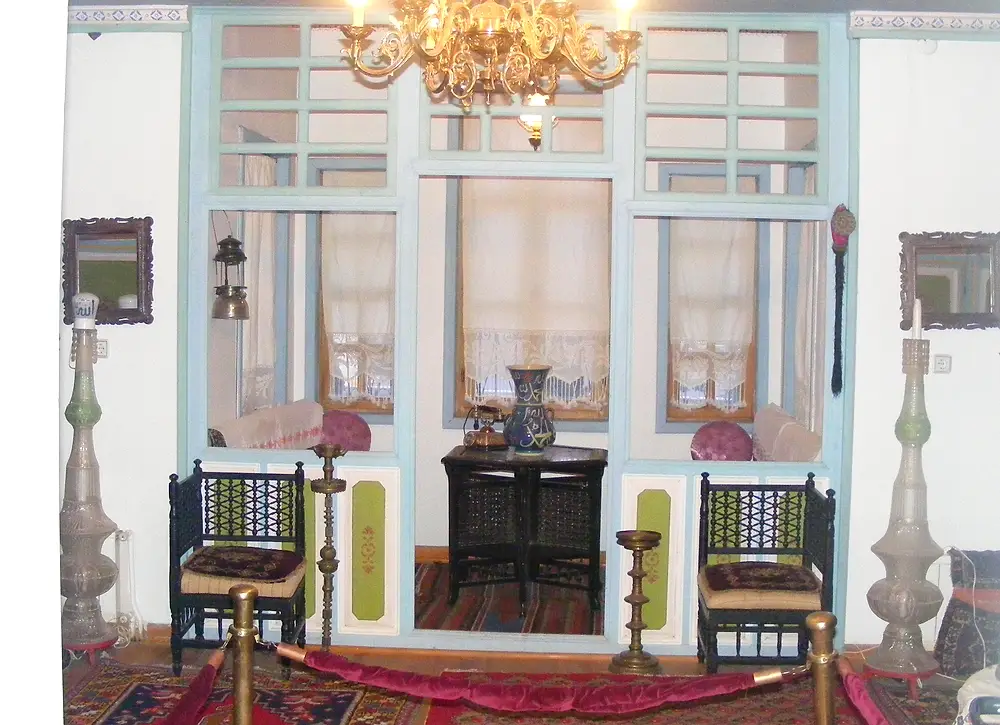
The museum displays everyday objects of the Bektashi lodge, manuscripts and examples of calligraphy. Farther in are the Balım Sultan Tomb, the Atatürk Corner, a centuries-old mulberry tree and a burial ground.
According to the Ministry’s listing it opens at 08:00 and closes at 22:00 (last entry 21:15). Open every day.
No. This site sells no tickets. Topkapı Palace, the Basilica Cistern, Hagia Sophia and Dolmabahçe Palace are sold on our sister sites; for Hacıbektaş Museum, buy at the ticket office or on the Ministry’s official e-ticket system.
Hacıbektaş Museum is in Nevşehir, Türkiye — Savat Mah. Kayseri Cad. No:5.
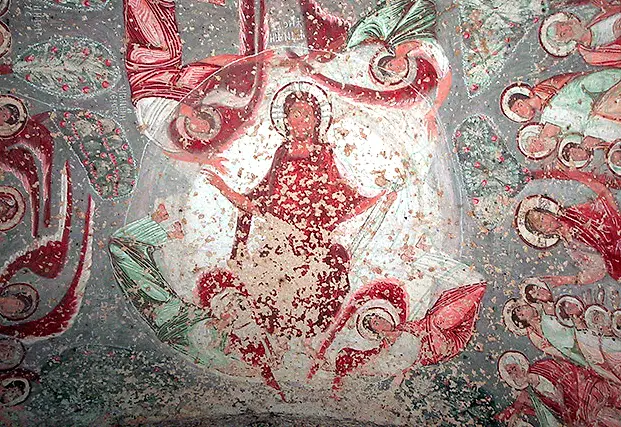
A rock-cut Byzantine church of 964–965 near Göreme, with a two-floor plan, monks' rooms below and frescoes of Emperor Nikephoros Phokas and his family.
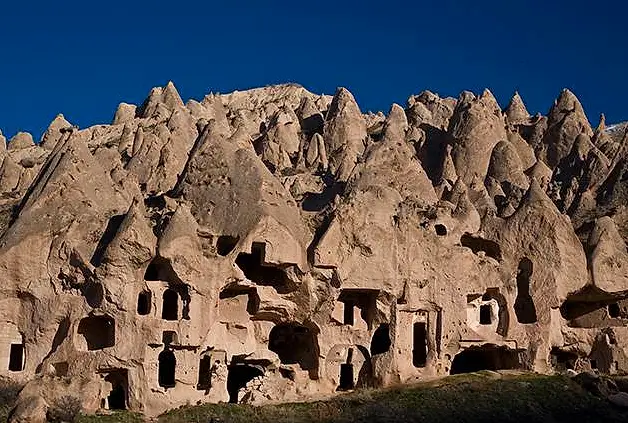
Three valleys of fairy chimneys in Cappadocia, once a Christian monastic settlement, with rock-cut churches, Saint Simeon's chapel and dovecotes.
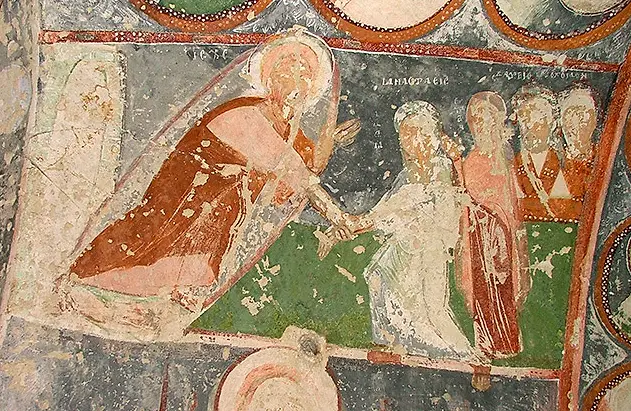
A tenth-century rock-cut church in the El Nazar valley near Göreme, painted in an archaic style with scenes from the life of Christ.
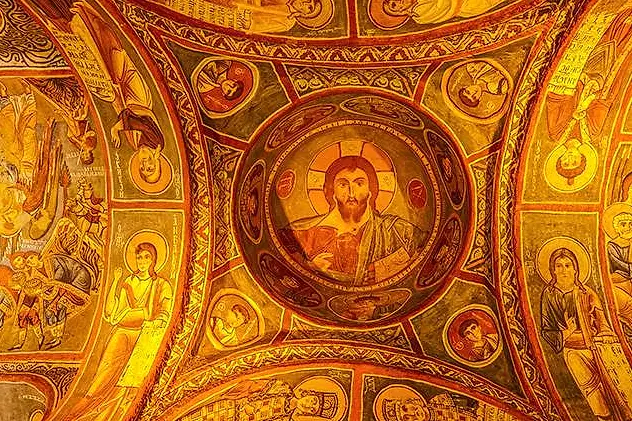
The most prized church of the Göreme Open Air Museum, a cross-plan rock church whose frescoes stayed vivid because so little light reaches them.
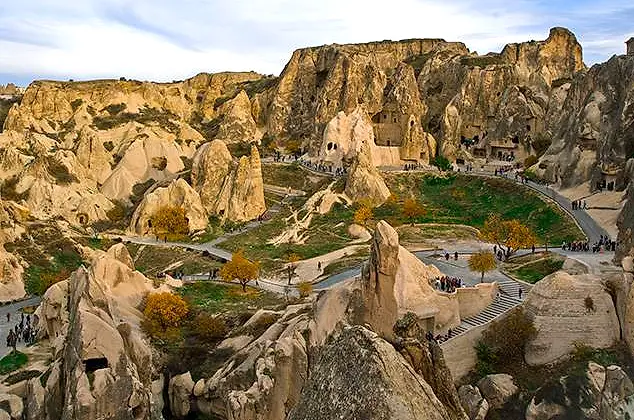
Cappadocia's best-known rock-cut monastic complex, with frescoed churches, chapels and refectories from the fourth to thirteenth centuries.
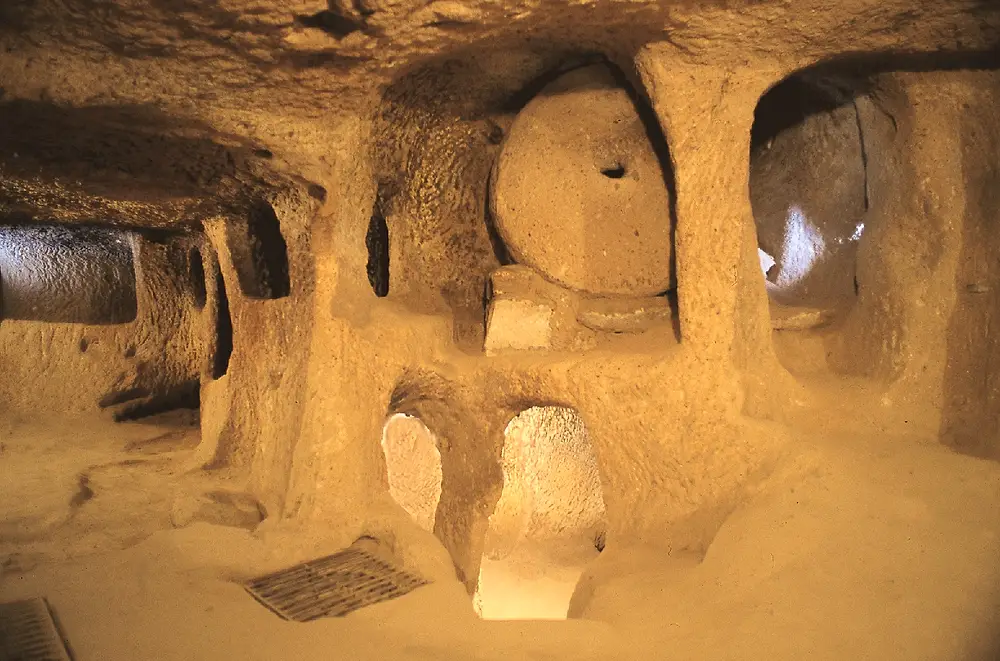
A labyrinth of tuff-carved rooms and tunnels eight levels deep at Kaymaklı, built as a refuge and still walkable on four lit levels.
Four Istanbul landmarks, each sold on its own site by the agency behind this guide — dated entry and free cancellation up to 24 hours.
The sultans’ palace on Sarayburnu: courtyards, the Imperial Council, the treasury and the terraces over the water. Dated entry, sold online on its own site.
Justinian’s great underground reservoir: 336 columns in still water and the two Medusa heads. Fast-track entry with a digital audio guide.
Justinian’s cathedral, the sultans’ mosque and a working mosque again today. The ticket admits you to the upper visitor gallery.
A nineteenth-century palace on the water’s edge: the Selamlık, the Ceremonial Hall under its chandelier, the crystal staircase and the Harem.


