
Topkapı Palace
The sultans’ palace on Sarayburnu: courtyards, the Imperial Council, the treasury and the terraces over the water. Dated entry, sold online on its own site.
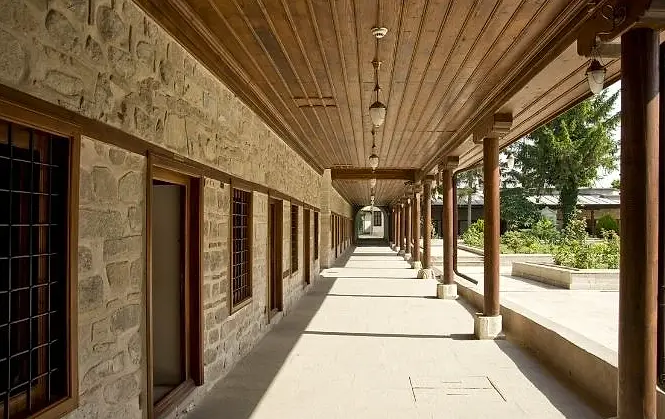
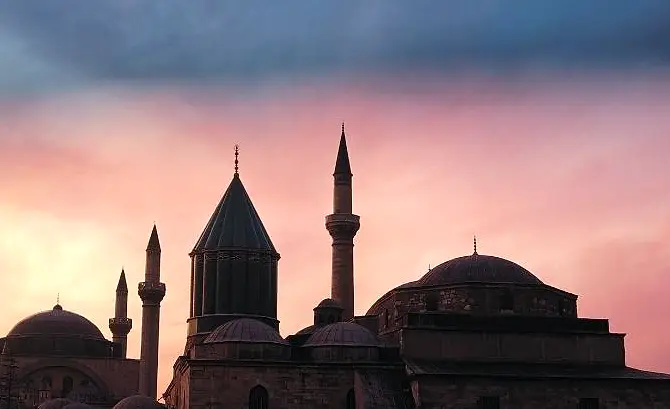
The former Mevlevi dervish lodge in Konya, home to the green-domed tomb of Rumi and one of Turkey's most visited museums.
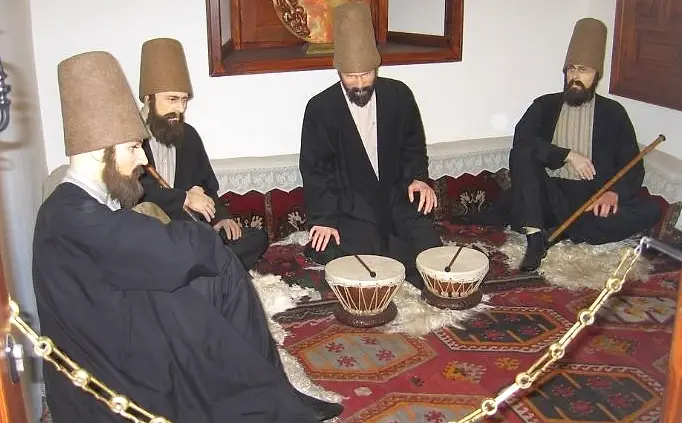
The Mevlana Dervish Lodge stands where the Seljuk palace's rose garden once lay; Sultan Alaeddin Keykubad gave it to Bahaeddin Veled, father of Mevlana. The core of the complex is Mevlana's tomb, built in 1274. Around it stand the Semahane, where the Sema ceremony was performed, a small mosque, the cells of the dedes, a kitchen and a shadirvan fountain, all of the 16th century.
Rumi's philosophy of self-knowledge and love has influenced people around the world for centuries, and UNESCO declared 2007 the Year of Mevlana. After dervish lodges were closed in Turkey, the Mevlevi lodge was preserved for its importance to Turkish and Islamic culture and reorganised as a museum.
Its most striking sight is the tomb of Rumi beneath the Green Dome (Kubbe-i Hadra). Also on show are dervish objects, precious manuscripts, an eight-string violin regarded as a forerunner of the modern violin, patience stones, and a celestial globe used to teach astronomy.
According to the Ministry’s listing it opens at 09:00 and closes at 19:00 (last entry 18:30). Open every day.
No. This site sells no tickets. Topkapı Palace, the Basilica Cistern, Hagia Sophia and Dolmabahçe Palace are sold on our sister sites; for Mevlana Museum, buy at the ticket office or on the Ministry’s official e-ticket system.
Mevlana Museum is in Konya, Türkiye — Aziziye Mahallesi Müze Alanı Caddesi No:1.
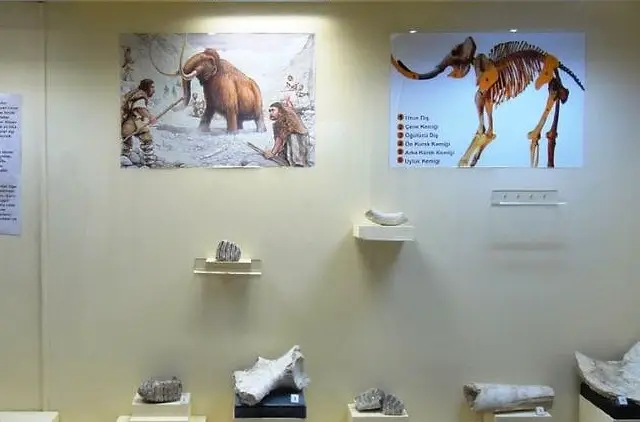
A small museum in Ereğli, Konya, with continuous displays from the Neolithic to the Republic, indoors, outdoors and semi-open, plus a traditional Ereğli house interior. Listed as closed.
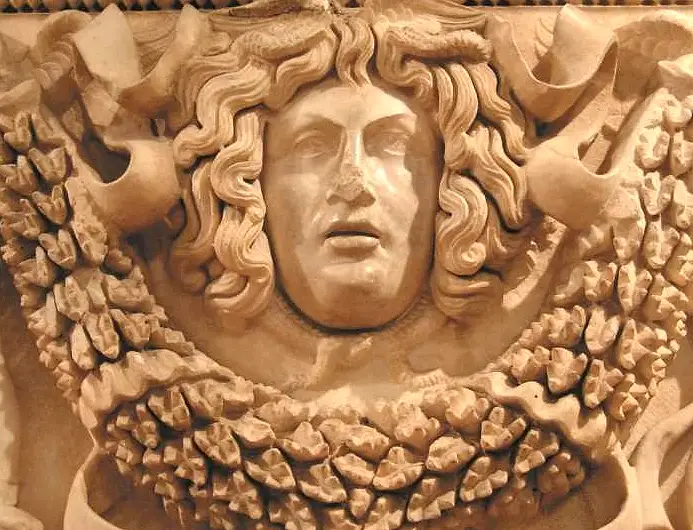
Konya's archaeological museum, open in its present form since 1962, with finds from the Neolithic (Çatalhöyük) through Assyrian trading colonies, Phrygians, Greeks and Romans.
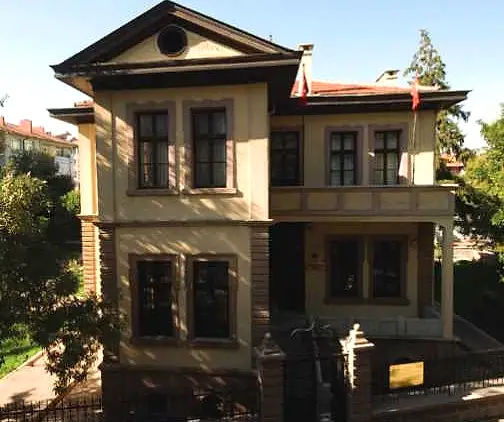
A 1912 house on Atatürk Avenue in Konya, once the governor's residence and a gift from the people of Konya to Atatürk, now a museum of his visits.
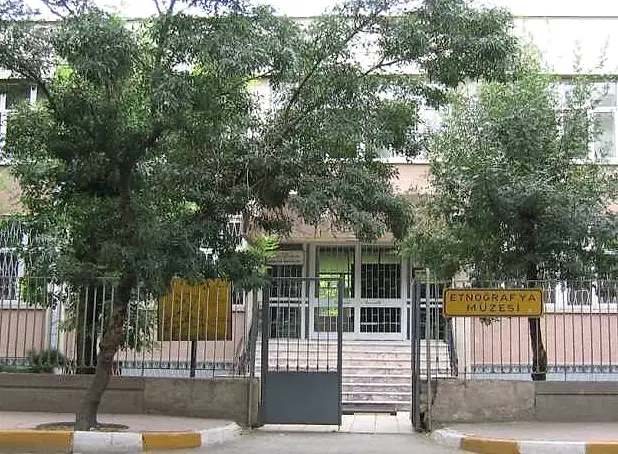
A 1975 museum in Konya showing regional textiles, embroidery, jewellery, coffee sets, calligraphy tools, weapons and carpets. Currently listed as closed.
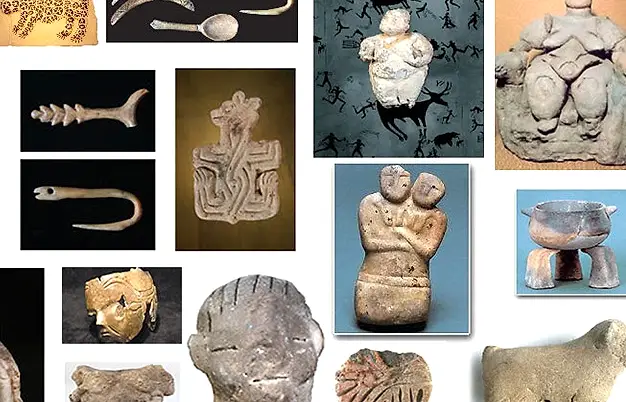
A 9,000-year-old Neolithic town near Çumra, Konya, famous for houses packed together with no streets and entered from the roof.
Four Istanbul landmarks, each sold on its own site by the agency behind this guide — dated entry and free cancellation up to 24 hours.
The sultans’ palace on Sarayburnu: courtyards, the Imperial Council, the treasury and the terraces over the water. Dated entry, sold online on its own site.
Justinian’s great underground reservoir: 336 columns in still water and the two Medusa heads. Fast-track entry with a digital audio guide.
Justinian’s cathedral, the sultans’ mosque and a working mosque again today. The ticket admits you to the upper visitor gallery.
A nineteenth-century palace on the water’s edge: the Selamlık, the Ceremonial Hall under its chandelier, the crystal staircase and the Harem.


