
Topkapı Palace
The sultans’ palace on Sarayburnu: courtyards, the Imperial Council, the treasury and the terraces over the water. Dated entry, sold online on its own site.
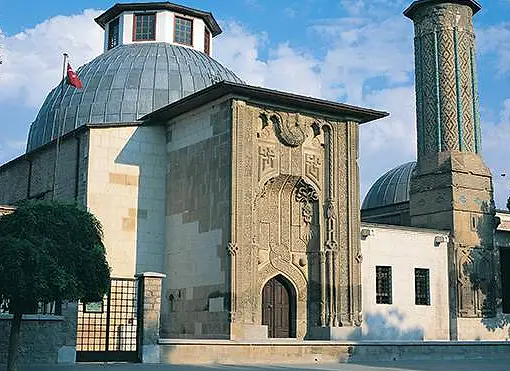
A 13th-century Seljuk madrasa in Konya whose dome and walls glow with mosaic tilework. Since 1955 it has served as a museum of Anatolian tile art.
Emir Celaleddin Karatay commissioned this madrasa in 1251, under the Anatolian Seljuk sultan Keykavus II. The architect is unknown. The building trained students in the study of hadith and Quranic commentary, stayed in use under the Ottomans and was left empty toward the end of the 19th century. It has been a tile museum since 1955.
Begin at the entrance portal. Made of pale and bluish marble and covered in inscriptions and relief patterns, it is considered a masterpiece of Seljuk stonework. Beyond it lies a courtyard that once had a dome and is now open to the sky, and then the main hall, a single-storey room built of Sille stone.
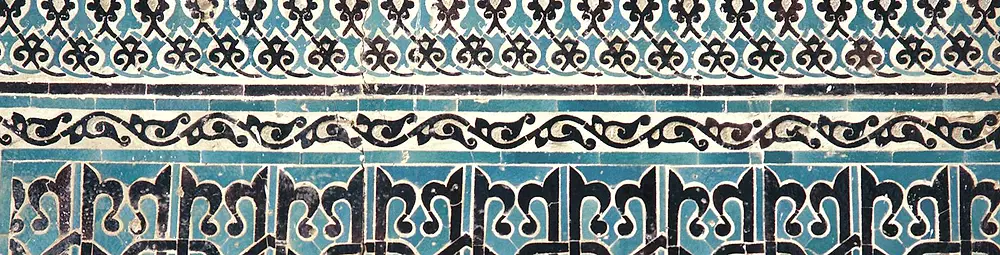
Look up: the dome, topped by a small lantern, is clad in mosaic tiles, and Quranic verses run around its drum and the upper walls. In the corner triangles beneath it you will find the names of prophets and of the four caliphs. The vitrines around the hall show tile and ceramic pieces from the Seljuk era.
According to the Ministry’s listing it opens at 09:00 and closes at 19:00 (last entry 18:30). Open every day.
No. This site sells no tickets. Topkapı Palace, the Basilica Cistern, Hagia Sophia and Dolmabahçe Palace are sold on our sister sites; for Karatay Tile Works Museum, buy at the ticket office or on the Ministry’s official e-ticket system.
Karatay Tile Works Museum is in Konya, Türkiye — Ferhuniye Mahallesi, 42040 Selçuklu.
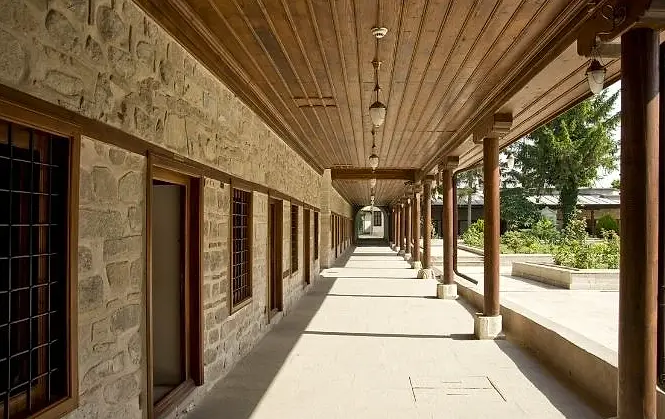
The former Mevlevi dervish lodge in Konya, home to the green-domed tomb of Rumi and one of Turkey's most visited museums.
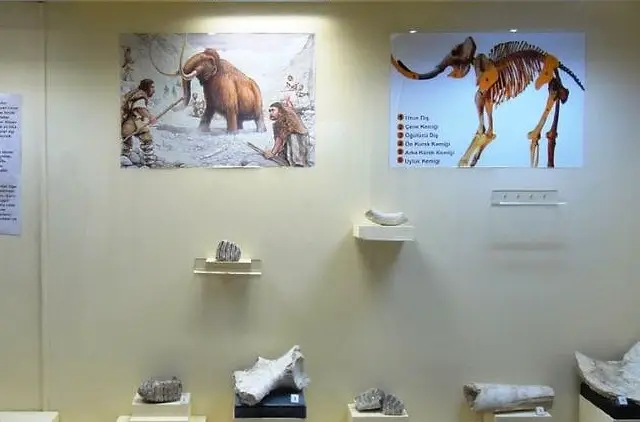
A small museum in Ereğli, Konya, with continuous displays from the Neolithic to the Republic, indoors, outdoors and semi-open, plus a traditional Ereğli house interior. Listed as closed.
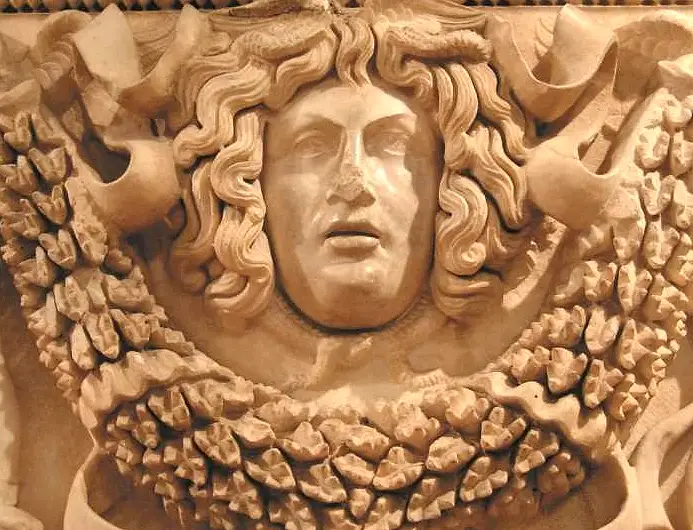
Konya's archaeological museum, open in its present form since 1962, with finds from the Neolithic (Çatalhöyük) through Assyrian trading colonies, Phrygians, Greeks and Romans.
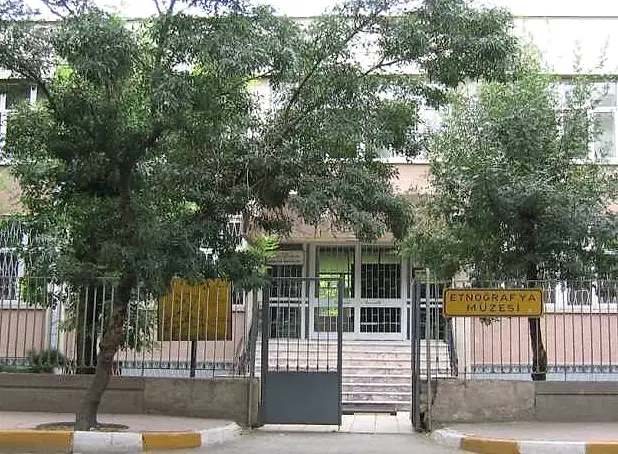
A 1975 museum in Konya showing regional textiles, embroidery, jewellery, coffee sets, calligraphy tools, weapons and carpets. Currently listed as closed.
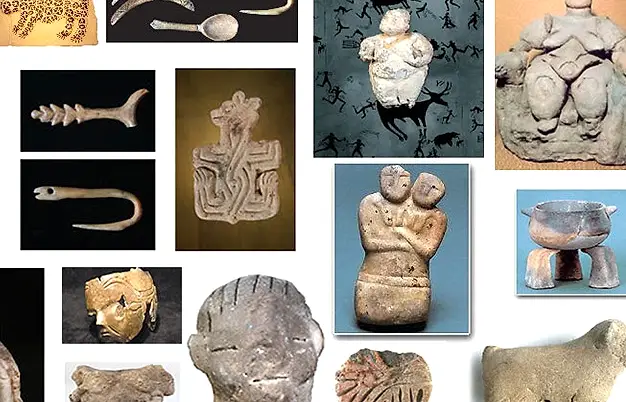
A 9,000-year-old Neolithic town near Çumra, Konya, famous for houses packed together with no streets and entered from the roof.
Four Istanbul landmarks, each sold on its own site by the agency behind this guide — dated entry and free cancellation up to 24 hours.
The sultans’ palace on Sarayburnu: courtyards, the Imperial Council, the treasury and the terraces over the water. Dated entry, sold online on its own site.
Justinian’s great underground reservoir: 336 columns in still water and the two Medusa heads. Fast-track entry with a digital audio guide.
Justinian’s cathedral, the sultans’ mosque and a working mosque again today. The ticket admits you to the upper visitor gallery.
A nineteenth-century palace on the water’s edge: the Selamlık, the Ceremonial Hall under its chandelier, the crystal staircase and the Harem.


