
Topkapı Palace
The sultans’ palace on Sarayburnu: courtyards, the Imperial Council, the treasury and the terraces over the water. Dated entry, sold online on its own site.
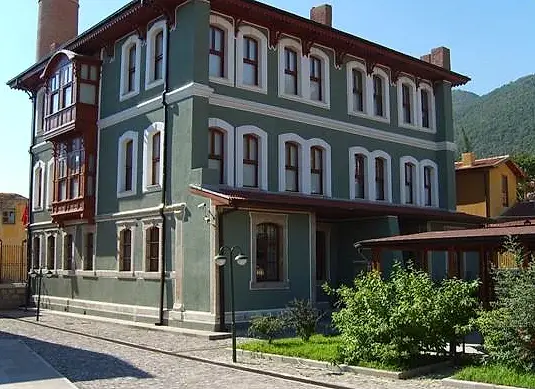
A 1914 timber-framed mansion in Akşehir holding archaeological finds upstairs and an ethnographic floor that stages a Nasreddin Hodja scene and a traditional bridal room.
The museum occupies a house rather than a purpose-built gallery. It was commissioned in 1914 by Rüştü Bey, an examining magistrate of Akşehir, and built by Turkish and Armenian craftsmen as a twin house with a basement and two timber-framed storeys. The mix of builders reflects the town itself, where several communities lived side by side and left their mark on local architecture.
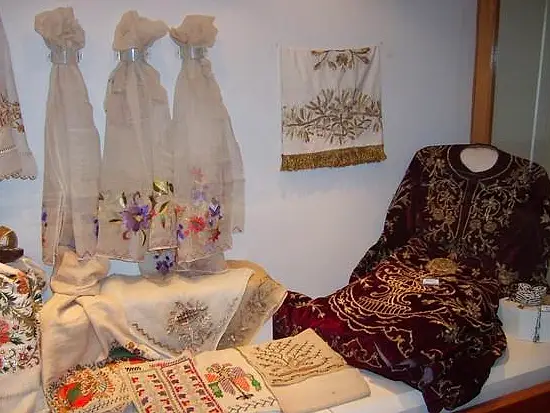
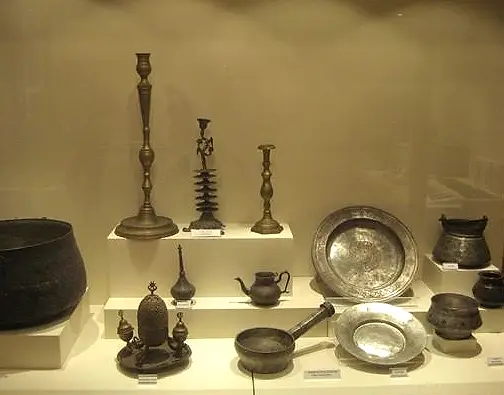
The rooms are arranged by theme. The archaeological floor is split into six rooms in which finds are laid out period by period. The ethnographic floor goes for atmosphere: one room recreates the gathering of friends from a Nasreddin Hodja anecdote, another shows how an Akşehir bride's chamber was furnished, and further rooms hold everyday objects.
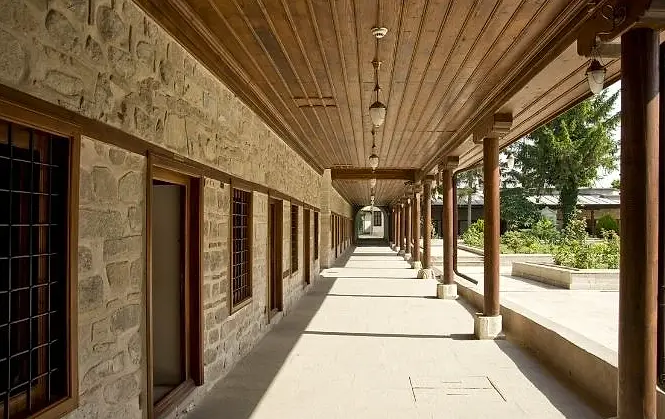
In the central hall look for two older pieces of woodwork and stone: the carved wooden door of the tomb of Seyyid Mahmud Hayrani, a work of 13th-century joinery, and a sarcophagus from the tomb of Şeyh Eyyüb. The building opened as a museum in July 2007 and has kept much of its original character.
According to the Ministry’s listing it opens at 08:00 and closes at 16:50 (last entry 16:20). Closed: Monday.
No. This site sells no tickets. Topkapı Palace, the Basilica Cistern, Hagia Sophia and Dolmabahçe Palace are sold on our sister sites; for Akşehir Nasreddin Hodja Archaeology and Ethnography Museum, buy at the ticket office or on the Ministry’s official e-ticket system.
Akşehir Nasreddin Hodja Archaeology and Ethnography Museum is in Konya, Türkiye — Selçuk Mahallesi Ulu Camii Caddesi No: 20.
The former Mevlevi dervish lodge in Konya, home to the green-domed tomb of Rumi and one of Turkey's most visited museums.
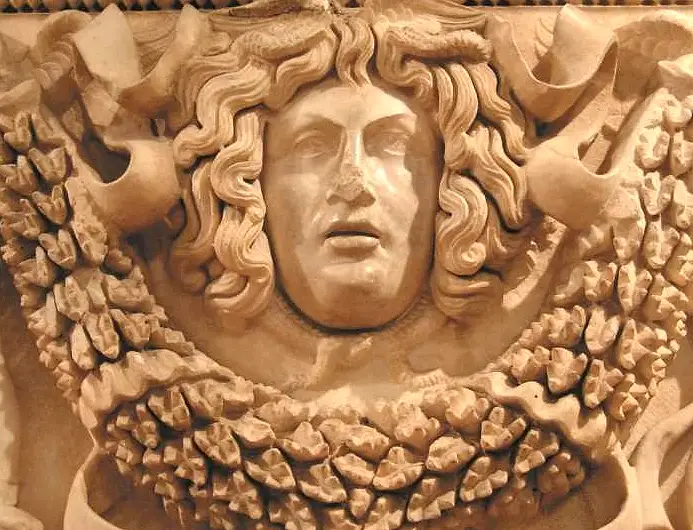
Konya's archaeological museum, open in its present form since 1962, with finds from the Neolithic (Çatalhöyük) through Assyrian trading colonies, Phrygians, Greeks and Romans.
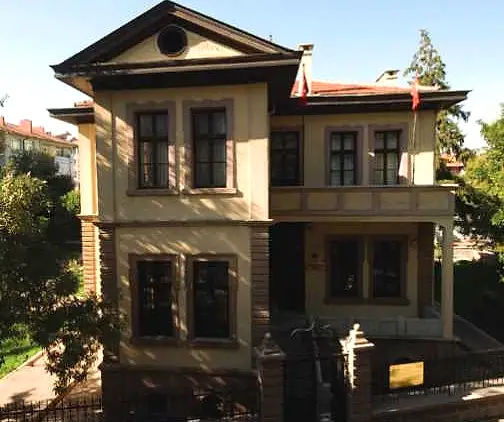
A 1912 house on Atatürk Avenue in Konya, once the governor's residence and a gift from the people of Konya to Atatürk, now a museum of his visits.
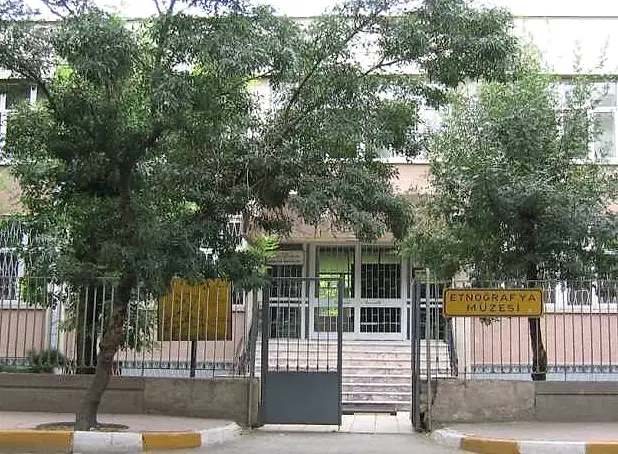
A 1975 museum in Konya showing regional textiles, embroidery, jewellery, coffee sets, calligraphy tools, weapons and carpets. Currently listed as closed.
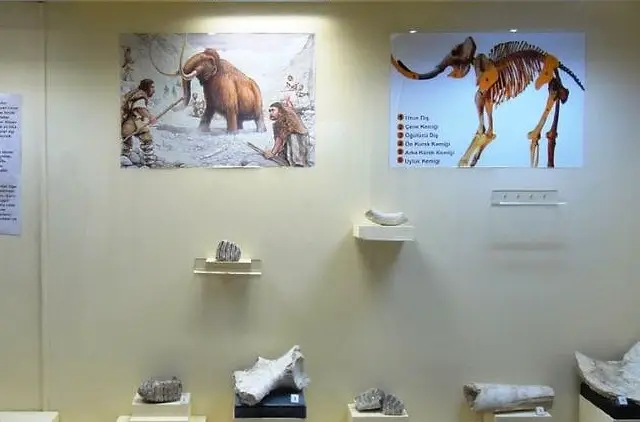
A small museum in Ereğli, Konya, with continuous displays from the Neolithic to the Republic, indoors, outdoors and semi-open, plus a traditional Ereğli house interior. Listed as closed.
Four Istanbul landmarks, each sold on its own site by the agency behind this guide — dated entry and free cancellation up to 24 hours.
The sultans’ palace on Sarayburnu: courtyards, the Imperial Council, the treasury and the terraces over the water. Dated entry, sold online on its own site.
Justinian’s great underground reservoir: 336 columns in still water and the two Medusa heads. Fast-track entry with a digital audio guide.
Justinian’s cathedral, the sultans’ mosque and a working mosque again today. The ticket admits you to the upper visitor gallery.
A nineteenth-century palace on the water’s edge: the Selamlık, the Ceremonial Hall under its chandelier, the crystal staircase and the Harem.


