
Topkapı Palace
The sultans’ palace on Sarayburnu: courtyards, the Imperial Council, the treasury and the terraces over the water. Dated entry, sold online on its own site.
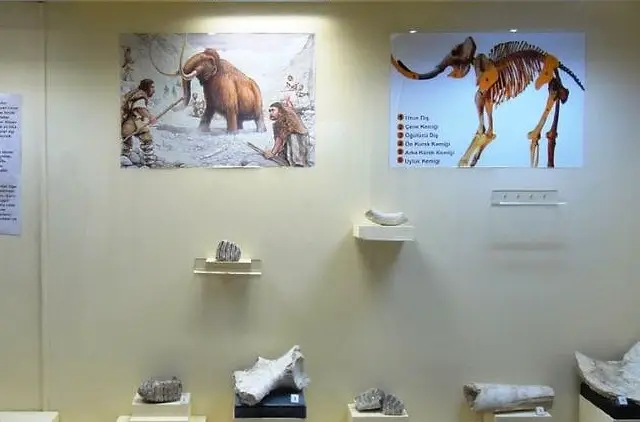
A small museum in Ereğli, Konya, with continuous displays from the Neolithic to the Republic, indoors, outdoors and semi-open, plus a traditional Ereğli house interior. Listed as closed.
On September 30, 2026 the Ministry’s listing showed this museum as closed to visitors. Check the official page before planning a visit.
Ereğli Museum first opened to visitors in 1968. It was under Konya Museum until 1977, became an independent directorate in 1978, and the building was repaired in 1980. It is a small museum, but it manages to show an unbroken sequence from the Neolithic to the Republican period, using closed, open and semi-open displays.
According to the ministry, the ground floor holds marble grave steles from Greek, Roman and Byzantine times collected around Ereğli, along with glassware, jewellery and a coin collection reaching from ancient Greek and Roman to Byzantine, Islamic and Ottoman issues. The first floor has terracotta amphoras, seals and bullae.
Upstairs you can see men's and women's clothing, examples of local weaving such as elpek cloth, tools, jewellery, prayer beads, clocks, kitchenware and measuring instruments. The top floor is arranged as living room, guest room, everyday room and bedroom in the style of a traditional Ereğli house. The garden has architectural fragments from several periods.
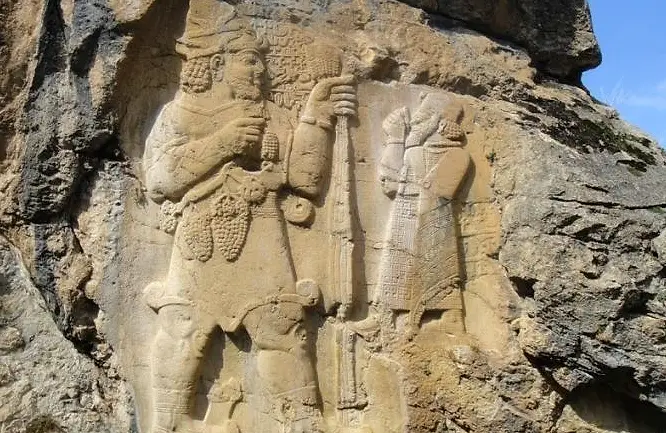
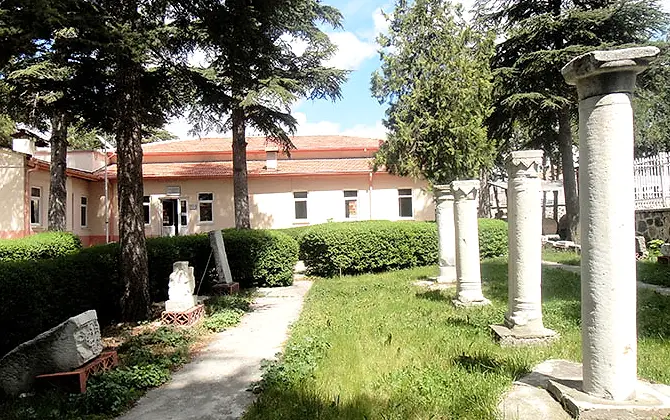
According to the Ministry’s listing it opens at 08:00 and closes at 17:00. Open every day.
No. This site sells no tickets. Topkapı Palace, the Basilica Cistern, Hagia Sophia and Dolmabahçe Palace are sold on our sister sites; for Ereğli Museum, buy at the ticket office or on the Ministry’s official e-ticket system.
Ereğli Museum is in Konya, Türkiye — Boyacı Ali Mah. Atatürk Bulvarı No:16.
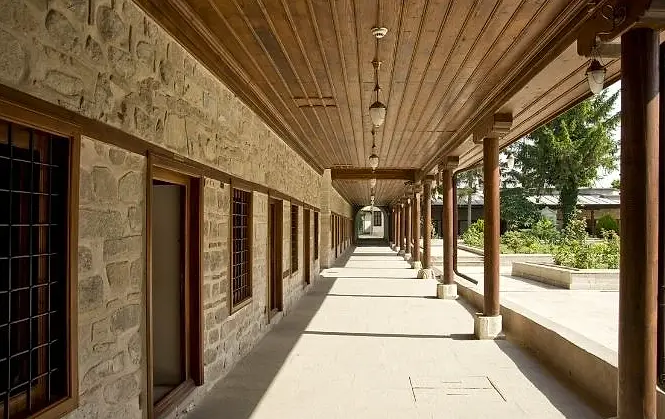
The former Mevlevi dervish lodge in Konya, home to the green-domed tomb of Rumi and one of Turkey's most visited museums.
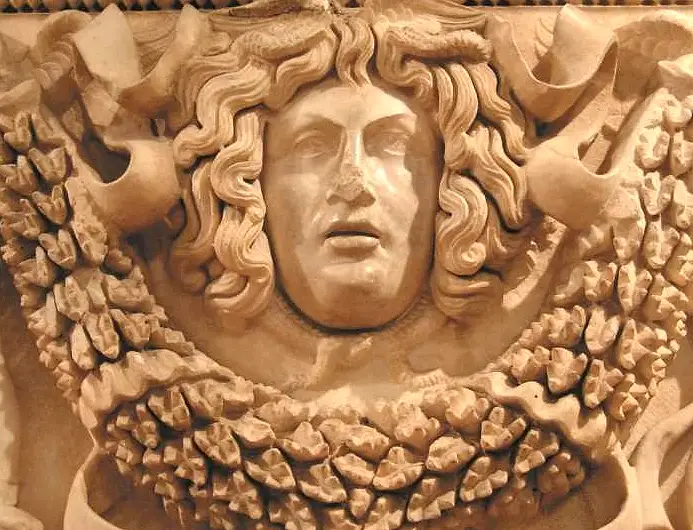
Konya's archaeological museum, open in its present form since 1962, with finds from the Neolithic (Çatalhöyük) through Assyrian trading colonies, Phrygians, Greeks and Romans.
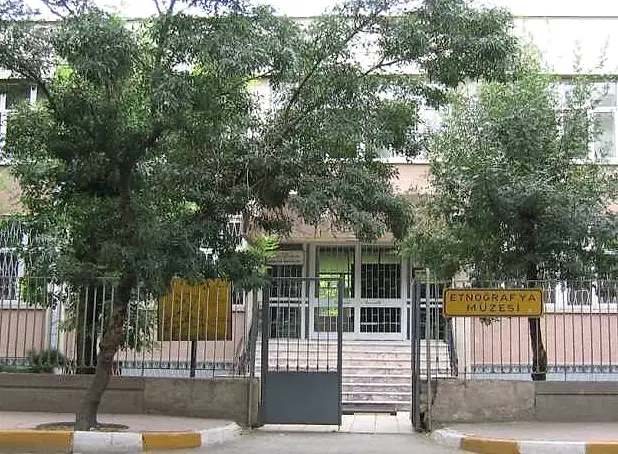
A 1975 museum in Konya showing regional textiles, embroidery, jewellery, coffee sets, calligraphy tools, weapons and carpets. Currently listed as closed.
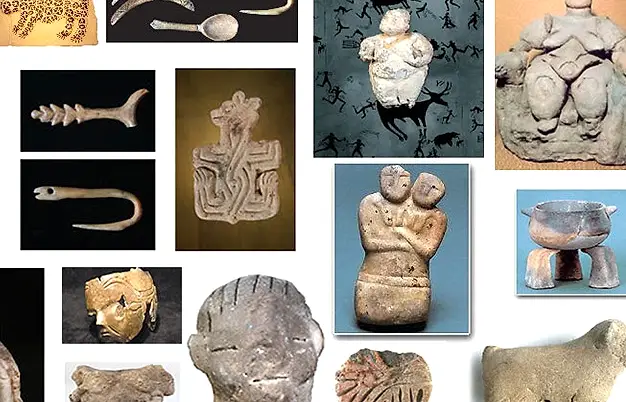
A 9,000-year-old Neolithic town near Çumra, Konya, famous for houses packed together with no streets and entered from the roof.
Four Istanbul landmarks, each sold on its own site by the agency behind this guide — dated entry and free cancellation up to 24 hours.
The sultans’ palace on Sarayburnu: courtyards, the Imperial Council, the treasury and the terraces over the water. Dated entry, sold online on its own site.
Justinian’s great underground reservoir: 336 columns in still water and the two Medusa heads. Fast-track entry with a digital audio guide.
Justinian’s cathedral, the sultans’ mosque and a working mosque again today. The ticket admits you to the upper visitor gallery.
A nineteenth-century palace on the water’s edge: the Selamlık, the Ceremonial Hall under its chandelier, the crystal staircase and the Harem.


