
Topkapı Palace
The sultans’ palace on Sarayburnu: courtyards, the Imperial Council, the treasury and the terraces over the water. Dated entry, sold online on its own site.
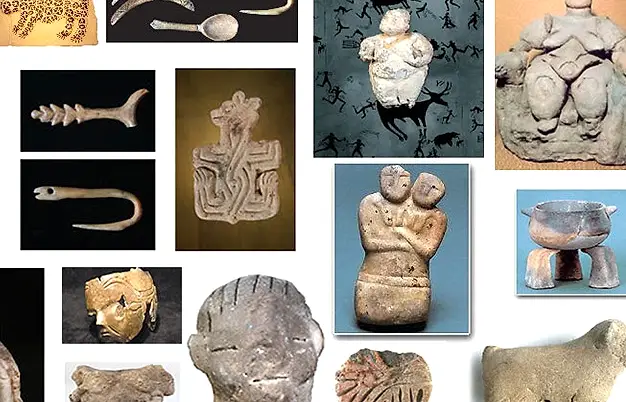
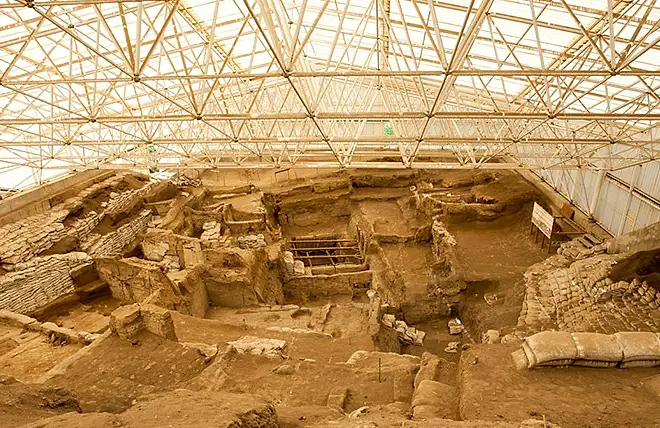
A 9,000-year-old Neolithic town near Çumra, Konya, famous for houses packed together with no streets and entered from the roof.
Çatalhöyük lies about 10 km east of Çumra in Konya province. Its name means fork mound, after the two rises of different height that make up the site. James Mellaart discovered it in 1958 and dug it in 1961-1965, uncovering 13 building levels on the west slope of the higher mound. The earliest is dated to about 5500 BC. Later work by an international team led by Ian Hodder, from 1993 to 2018, added knowledge on environment, daily life and belief. It is a UNESCO World Heritage Site.
What makes it remarkable is how people lived. Rectangular houses stood wall against wall, each with its own walls rather than shared ones, and were added one beside another as needed. With no streets, people moved across the flat roofs and entered their homes by ladder through a hole in the roof.
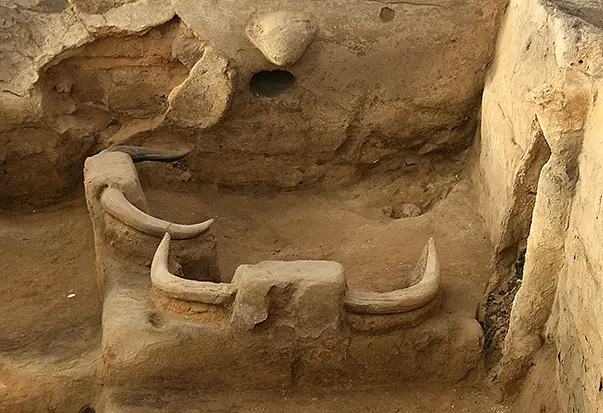
Houses were built of mudbrick, timber and reeds. Each had a main room and a storeroom, with hearths, low benches and niches, and plastered walls that were painted. The site is known as an early example of house design, town life and sacred buildings.
According to the Ministry’s listing it opens at 09:00 and closes at 17:00 (last entry 16:40). Open every day.
No. This site sells no tickets. Topkapı Palace, the Basilica Cistern, Hagia Sophia and Dolmabahçe Palace are sold on our sister sites; for Çatalhöyük Archaeological Site, buy at the ticket office or on the Ministry’s official e-ticket system.
Çatalhöyük Archaeological Site is in Konya, Türkiye — Küçükköy Mahallesi.
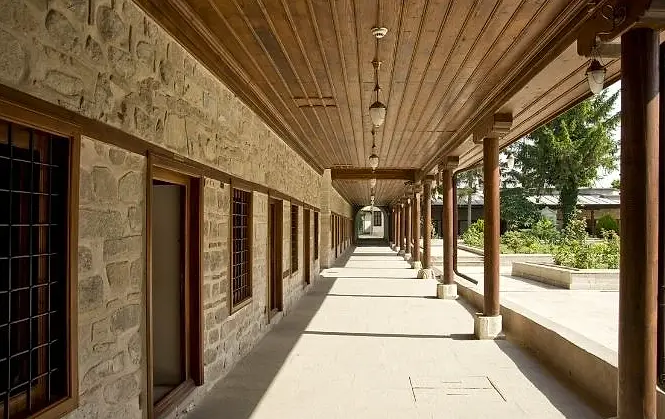
The former Mevlevi dervish lodge in Konya, home to the green-domed tomb of Rumi and one of Turkey's most visited museums.
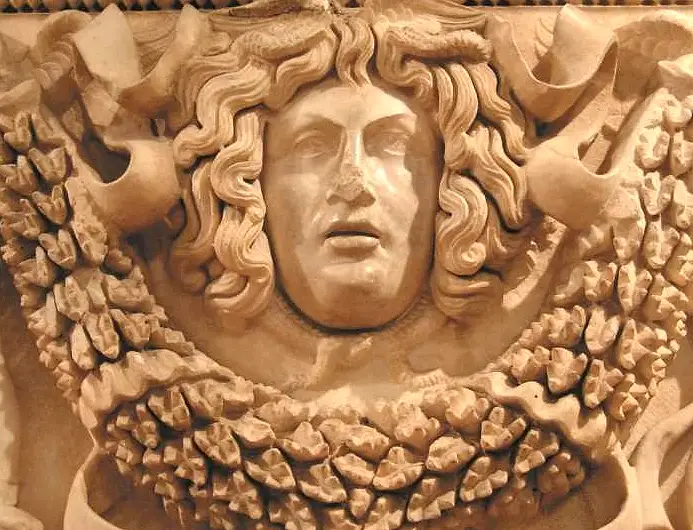
Konya's archaeological museum, open in its present form since 1962, with finds from the Neolithic (Çatalhöyük) through Assyrian trading colonies, Phrygians, Greeks and Romans.
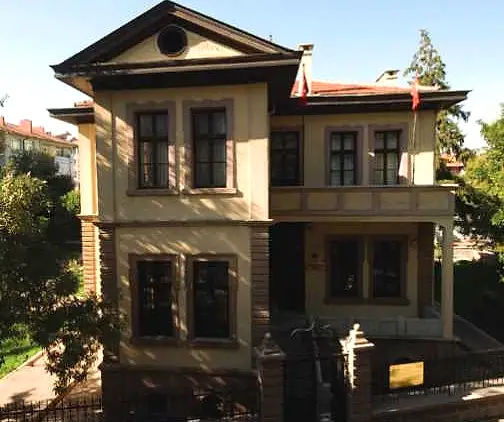
A 1912 house on Atatürk Avenue in Konya, once the governor's residence and a gift from the people of Konya to Atatürk, now a museum of his visits.
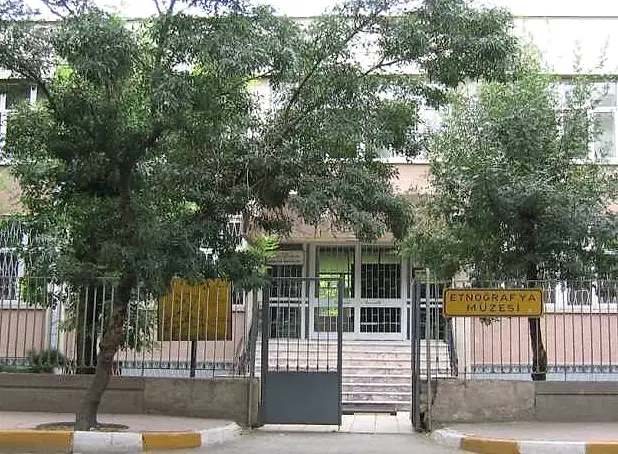
A 1975 museum in Konya showing regional textiles, embroidery, jewellery, coffee sets, calligraphy tools, weapons and carpets. Currently listed as closed.
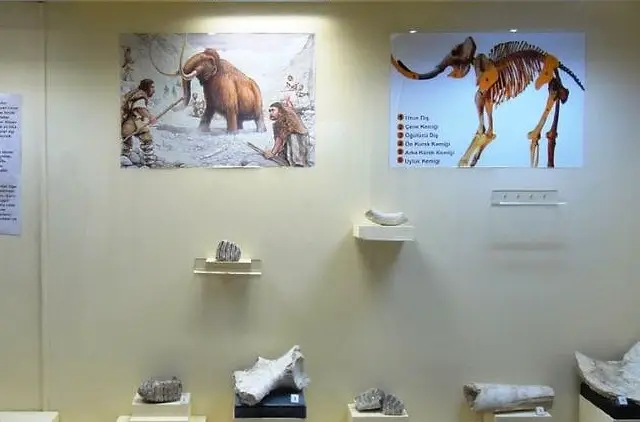
A small museum in Ereğli, Konya, with continuous displays from the Neolithic to the Republic, indoors, outdoors and semi-open, plus a traditional Ereğli house interior. Listed as closed.
Four Istanbul landmarks, each sold on its own site by the agency behind this guide — dated entry and free cancellation up to 24 hours.
The sultans’ palace on Sarayburnu: courtyards, the Imperial Council, the treasury and the terraces over the water. Dated entry, sold online on its own site.
Justinian’s great underground reservoir: 336 columns in still water and the two Medusa heads. Fast-track entry with a digital audio guide.
Justinian’s cathedral, the sultans’ mosque and a working mosque again today. The ticket admits you to the upper visitor gallery.
A nineteenth-century palace on the water’s edge: the Selamlık, the Ceremonial Hall under its chandelier, the crystal staircase and the Harem.


