
Topkapı Palace
The sultans’ palace on Sarayburnu: courtyards, the Imperial Council, the treasury and the terraces over the water. Dated entry, sold online on its own site.
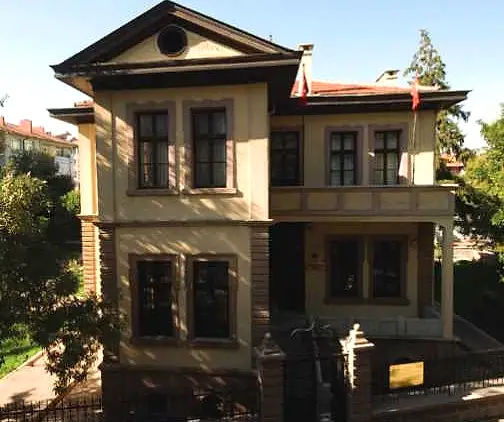
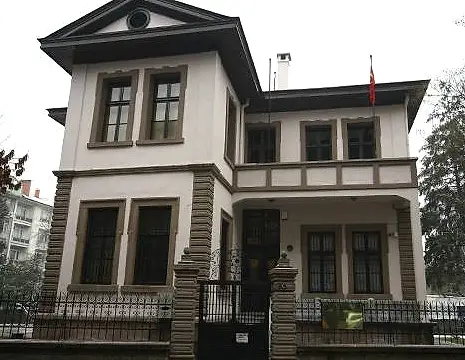
A 1912 house on Atatürk Avenue in Konya, once the governor's residence and a gift from the people of Konya to Atatürk, now a museum of his visits.
This two-storey house on Atatürk Avenue was built in 1912 of cut stone, rubble and brick. It served as the governor's residence, and Atatürk stayed here whenever he came to Konya. In 1927 the municipality bought it, and in 1928 it was registered in Atatürk's name as an expression of the city's gratitude; the deed even carries the words, roughly, a gift of the people of Konya to President Gazi Mustafa Kemal Pasha.
After a later period as the governor's residence, it was handed to the Ministry of National Education and opened as the Atatürk House Cultural Museum in 1964. A restoration led to its reopening as the Atatürk Museum in 1982. The arrangement respects the building's character as a home, with no changes that would spoil its architecture.
The museum explains Konya's part in the War of Independence through documents and photographs. The ground floor presents material from before the Republic and Atatürk's visits, with panels of photographs, documents and newspaper clippings, along with the daily notes he kept in this house. Some of his clothes and everyday objects are displayed too.
According to the Ministry’s listing it opens at 09:00 and closes at 17:00 (last entry 16:40). Closed: Monday.
No. This site sells no tickets. Topkapı Palace, the Basilica Cistern, Hagia Sophia and Dolmabahçe Palace are sold on our sister sites; for Konya Atatürk House Museum, buy at the ticket office or on the Ministry’s official e-ticket system.
Konya Atatürk House Museum is in Konya, Türkiye — Konya Meram Abdülaziz Mahallesi.
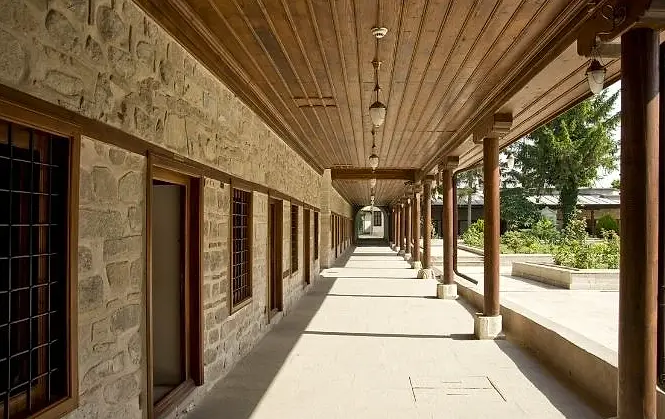
The former Mevlevi dervish lodge in Konya, home to the green-domed tomb of Rumi and one of Turkey's most visited museums.
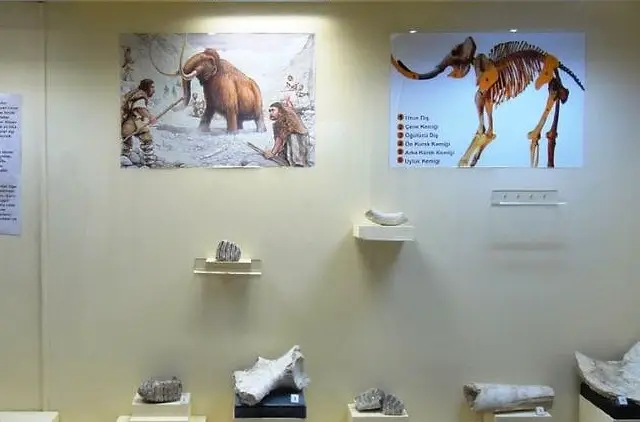
A small museum in Ereğli, Konya, with continuous displays from the Neolithic to the Republic, indoors, outdoors and semi-open, plus a traditional Ereğli house interior. Listed as closed.
Konya's archaeological museum, open in its present form since 1962, with finds from the Neolithic (Çatalhöyük) through Assyrian trading colonies, Phrygians, Greeks and Romans.
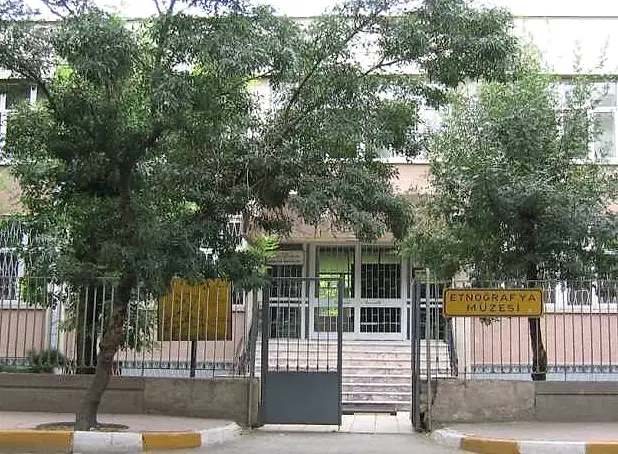
A 1975 museum in Konya showing regional textiles, embroidery, jewellery, coffee sets, calligraphy tools, weapons and carpets. Currently listed as closed.
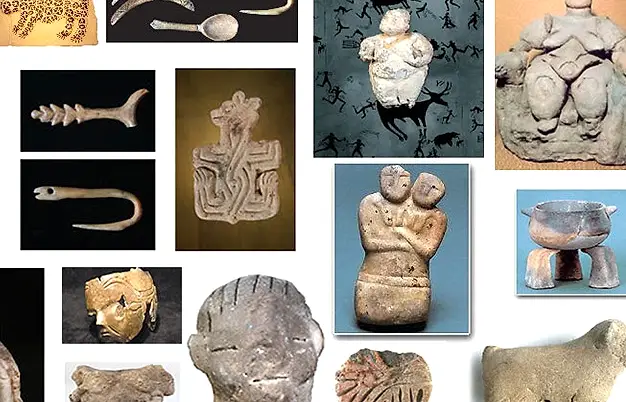
A 9,000-year-old Neolithic town near Çumra, Konya, famous for houses packed together with no streets and entered from the roof.
Four Istanbul landmarks, each sold on its own site by the agency behind this guide — dated entry and free cancellation up to 24 hours.
The sultans’ palace on Sarayburnu: courtyards, the Imperial Council, the treasury and the terraces over the water. Dated entry, sold online on its own site.
Justinian’s great underground reservoir: 336 columns in still water and the two Medusa heads. Fast-track entry with a digital audio guide.
Justinian’s cathedral, the sultans’ mosque and a working mosque again today. The ticket admits you to the upper visitor gallery.
A nineteenth-century palace on the water’s edge: the Selamlık, the Ceremonial Hall under its chandelier, the crystal staircase and the Harem.


