
Topkapı Palace
The sultans’ palace on Sarayburnu: courtyards, the Imperial Council, the treasury and the terraces over the water. Dated entry, sold online on its own site.
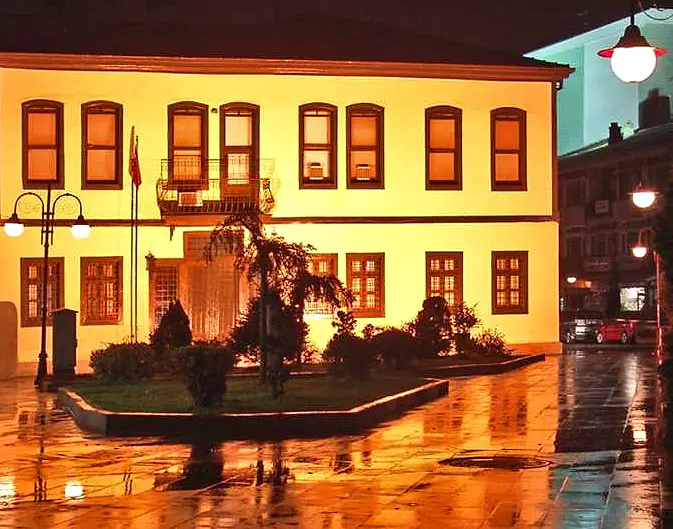
The old town hall of Akşehir where Atatürk and the Western Front command planned the Great Offensive of August 1922, now a museum.
After the victory at the Battle of Sakarya, the enemy dug in east of the Afyon–Eskişehir line, and the Western Front command moved from Alagöz village to Akşehir. It arrived on 18 November 1921 and installed itself in the municipal building. It worked there until 24 August 1922, when it left for the front for the Great Offensive.
Over nine and a half months the preparations for the Great Offensive were directed from this building, its plans drawn up and its decision made here. Mustafa Kemal came to Akşehir many times to inspect the work and guide the preparations.
The building was constructed in 1904 to 1905 as a town hall, in the time of Mayor Bostan Bey. It has two storeys, a stone base, and brick and lath-and-plaster construction. The shopfronts on the east and south sides of the ground floor were closed to make room for two sgraffito panels, one showing the preparations for the offensive and one the offensive itself.
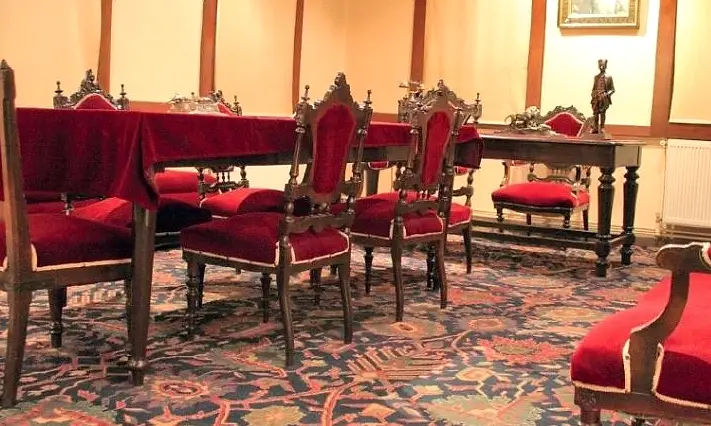
When the municipality moved to another building in 1965, the headquarters was donated to the ministry on condition that it become a museum. After a major repair it opened on 5 July 1966 as the Atatürk and Ethnography Museum, and after another restoration in 1981 it took its present name. Upstairs, the large room in the south corner kept its original materials and served as Atatürk's work room.
According to the Ministry’s listing it opens at 08:00 and closes at 16:50 (last entry 16:20). Closed: Monday.
No. This site sells no tickets. Topkapı Palace, the Basilica Cistern, Hagia Sophia and Dolmabahçe Palace are sold on our sister sites; for Akşehir Western Front Headquarters Museum, buy at the ticket office or on the Ministry’s official e-ticket system.
Akşehir Western Front Headquarters Museum is in Konya, Türkiye — Selçuk Mahallesi, İnönü Caddesi, No:35.
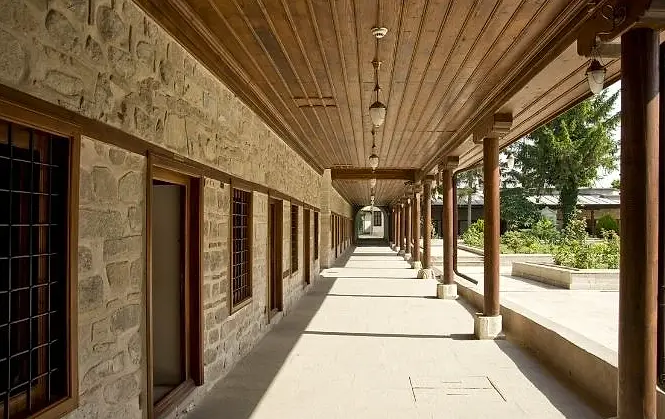
The former Mevlevi dervish lodge in Konya, home to the green-domed tomb of Rumi and one of Turkey's most visited museums.
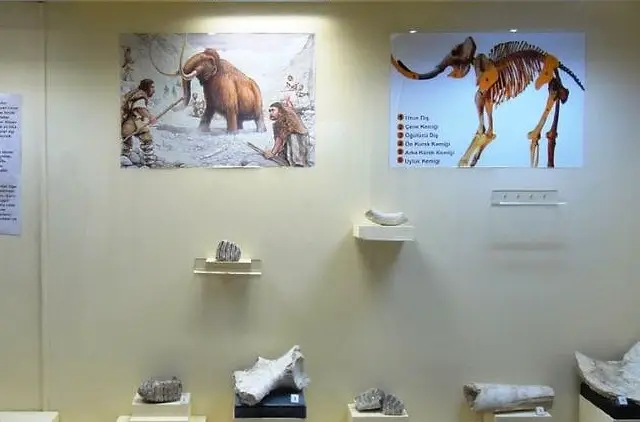
A small museum in Ereğli, Konya, with continuous displays from the Neolithic to the Republic, indoors, outdoors and semi-open, plus a traditional Ereğli house interior. Listed as closed.
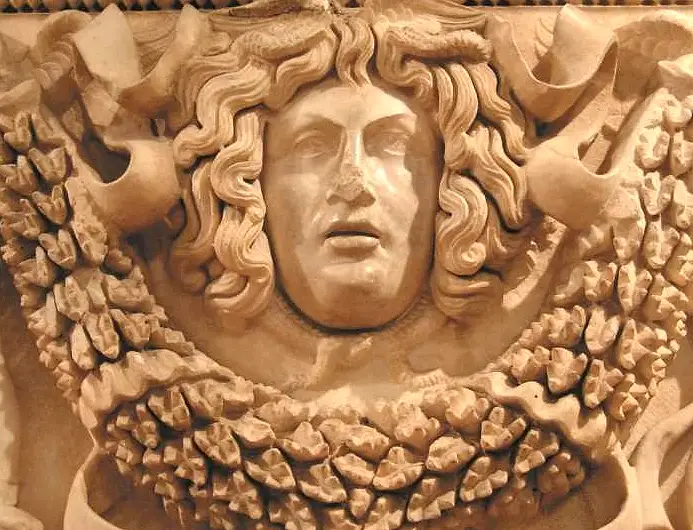
Konya's archaeological museum, open in its present form since 1962, with finds from the Neolithic (Çatalhöyük) through Assyrian trading colonies, Phrygians, Greeks and Romans.
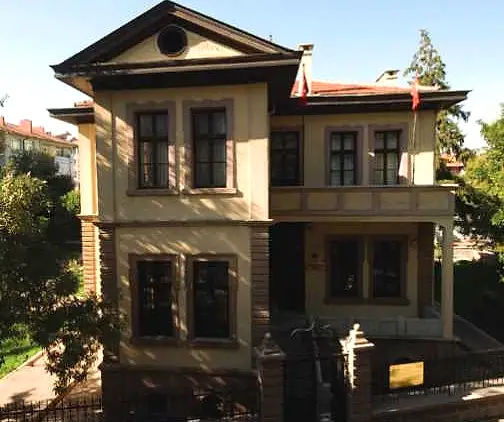
A 1912 house on Atatürk Avenue in Konya, once the governor's residence and a gift from the people of Konya to Atatürk, now a museum of his visits.
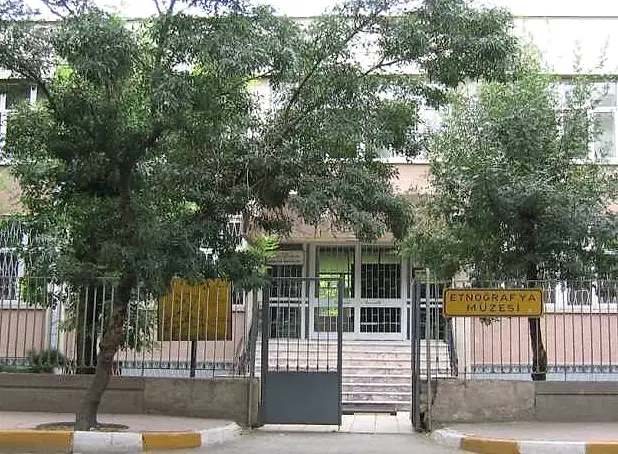
A 1975 museum in Konya showing regional textiles, embroidery, jewellery, coffee sets, calligraphy tools, weapons and carpets. Currently listed as closed.
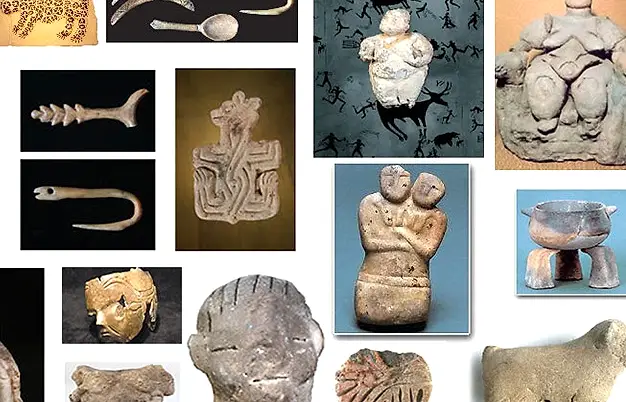
A 9,000-year-old Neolithic town near Çumra, Konya, famous for houses packed together with no streets and entered from the roof.
Four Istanbul landmarks, each sold on its own site by the agency behind this guide — dated entry and free cancellation up to 24 hours.
The sultans’ palace on Sarayburnu: courtyards, the Imperial Council, the treasury and the terraces over the water. Dated entry, sold online on its own site.
Justinian’s great underground reservoir: 336 columns in still water and the two Medusa heads. Fast-track entry with a digital audio guide.
Justinian’s cathedral, the sultans’ mosque and a working mosque again today. The ticket admits you to the upper visitor gallery.
A nineteenth-century palace on the water’s edge: the Selamlık, the Ceremonial Hall under its chandelier, the crystal staircase and the Harem.


