
Topkapı Palace
The sultans’ palace on Sarayburnu: courtyards, the Imperial Council, the treasury and the terraces over the water. Dated entry, sold online on its own site.
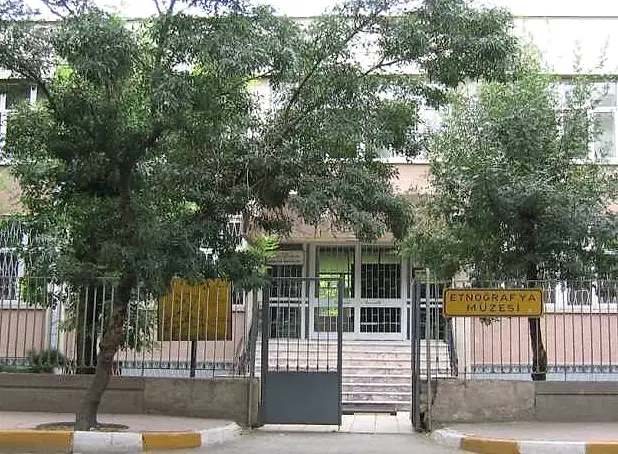
A 1975 museum in Konya showing regional textiles, embroidery, jewellery, coffee sets, calligraphy tools, weapons and carpets. Currently listed as closed.
On September 30, 2026 the Ministry’s listing showed this museum as closed to visitors. Check the official page before planning a visit.
The building was first constructed for education and became the Ethnography Museum in 1975. It has three storeys. The ground floor holds the exhibition hall and a conference room named for Dr. Mehmet Önder, while the upper level is for offices, a library and storage.
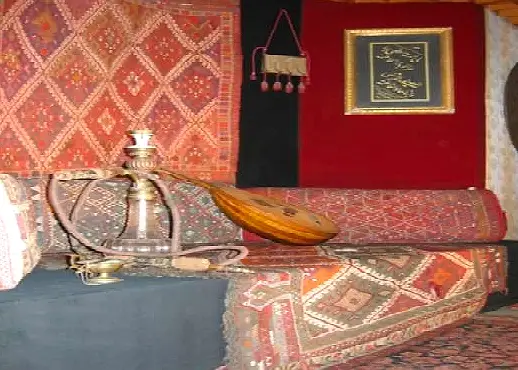
The exhibition hall focuses on Konya and its surroundings and shows items acquired by purchase, gift and transfer from other museums. Among them are needle-lace edgings, embroidered wraps and pouches, samples of late Ottoman fabrics, bridal and festive clothing such as waistcoats, caftans and trousers, and women's jewellery including belt buckles and bracelets.
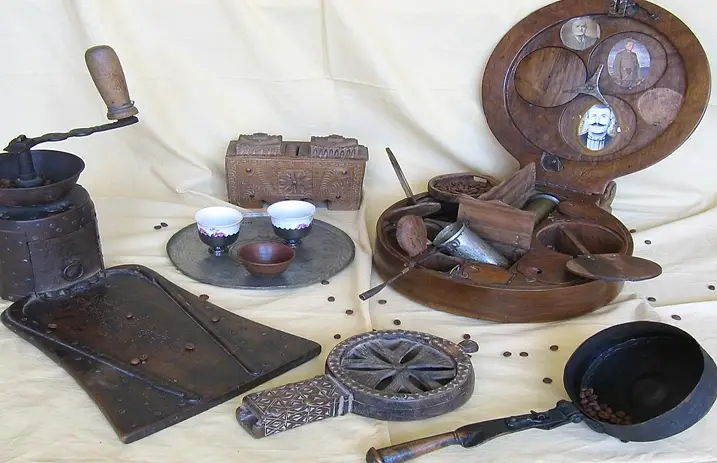
Other cases hold coffee sets and grinders, metal, glass and porcelain kitchenware, bath bowls, prayer beads, calligraphy tools, manuscripts and mother-of-pearl inlaid furniture. There are also Seljuk, Ottoman and Republican-era carpets and kilims, together with bows, daggers, swords and older firearms. The collections include the ethnographic holdings of Refet Yardımcı and Kenan Özbel.
According to the Ministry’s listing it opens at 09:00 and closes at 17:00 (last entry 16:40).
No. This site sells no tickets. Topkapı Palace, the Basilica Cistern, Hagia Sophia and Dolmabahçe Palace are sold on our sister sites; for Konya Ethnography Museum, buy at the ticket office or on the Ministry’s official e-ticket system.
Konya Ethnography Museum is in Konya, Türkiye — Sahibata Mahallesi Sahibata Caddesi No:95.
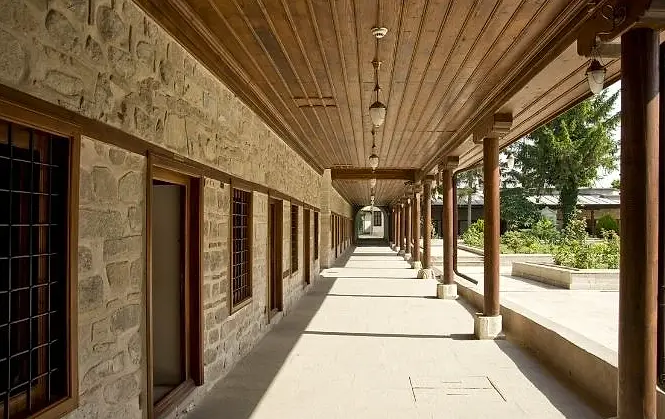
The former Mevlevi dervish lodge in Konya, home to the green-domed tomb of Rumi and one of Turkey's most visited museums.
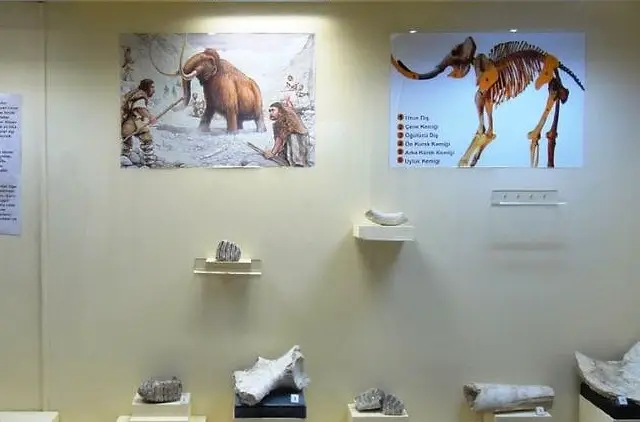
A small museum in Ereğli, Konya, with continuous displays from the Neolithic to the Republic, indoors, outdoors and semi-open, plus a traditional Ereğli house interior. Listed as closed.
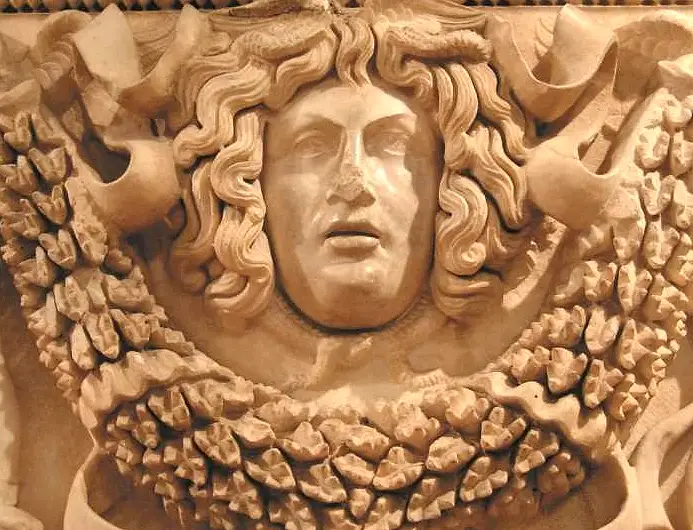
Konya's archaeological museum, open in its present form since 1962, with finds from the Neolithic (Çatalhöyük) through Assyrian trading colonies, Phrygians, Greeks and Romans.
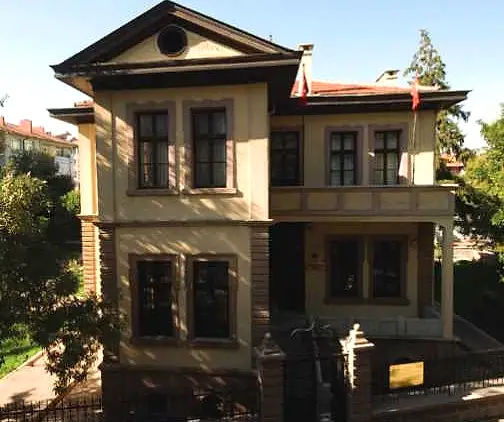
A 1912 house on Atatürk Avenue in Konya, once the governor's residence and a gift from the people of Konya to Atatürk, now a museum of his visits.
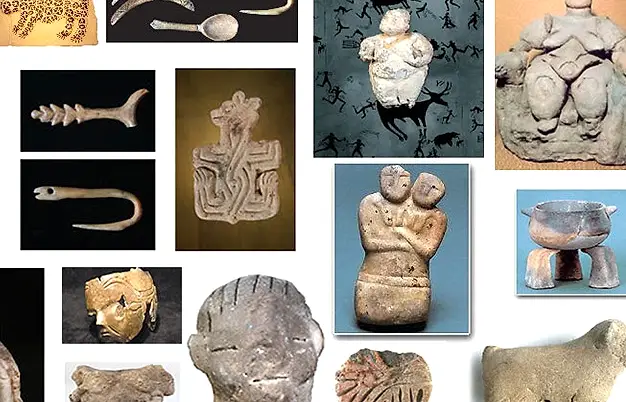
A 9,000-year-old Neolithic town near Çumra, Konya, famous for houses packed together with no streets and entered from the roof.
Four Istanbul landmarks, each sold on its own site by the agency behind this guide — dated entry and free cancellation up to 24 hours.
The sultans’ palace on Sarayburnu: courtyards, the Imperial Council, the treasury and the terraces over the water. Dated entry, sold online on its own site.
Justinian’s great underground reservoir: 336 columns in still water and the two Medusa heads. Fast-track entry with a digital audio guide.
Justinian’s cathedral, the sultans’ mosque and a working mosque again today. The ticket admits you to the upper visitor gallery.
A nineteenth-century palace on the water’s edge: the Selamlık, the Ceremonial Hall under its chandelier, the crystal staircase and the Harem.


