
Topkapı Palace
The sultans’ palace on Sarayburnu: courtyards, the Imperial Council, the treasury and the terraces over the water. Dated entry, sold online on its own site.
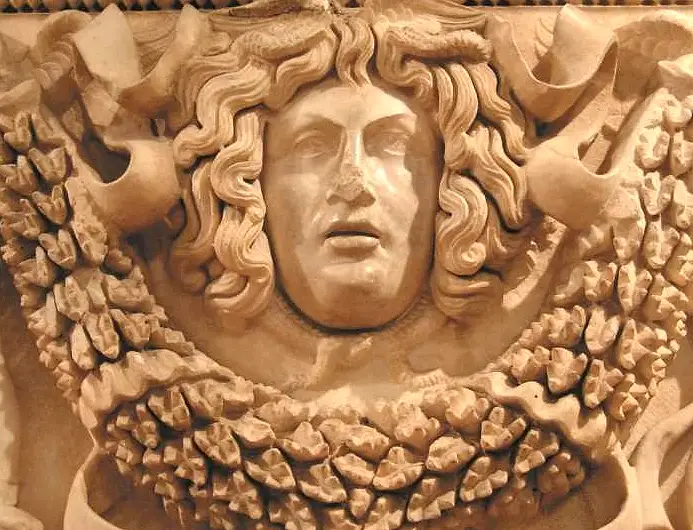
Konya's archaeological museum, open in its present form since 1962, with finds from the Neolithic (Çatalhöyük) through Assyrian trading colonies, Phrygians, Greeks and Romans.
On September 30, 2026 the Ministry’s listing showed this museum as closed to visitors. Check the official page before planning a visit.
The Archaeological Museum in Konya first opened in 1901 in a building at the south-west corner of the Karma Secondary School. In 1927 the objects moved to the Mevlâna Museum, and in 1953 to the İplikçi Mosque, before the present museum was founded and opened in 1962.
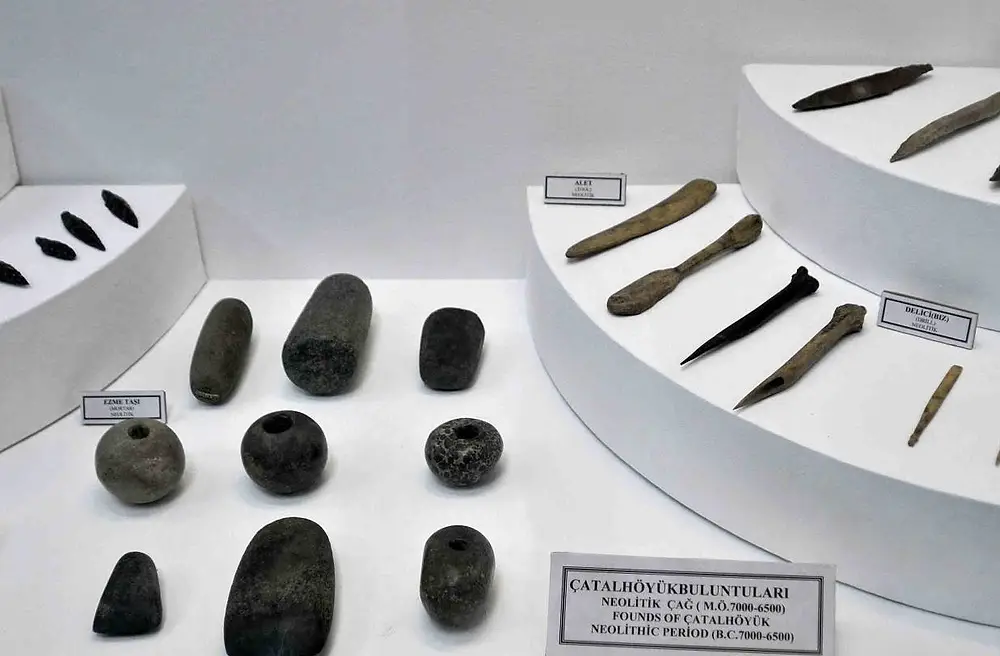
The galleries run through the ages. The prehistoric hall begins with Neolithic finds of about 6500 to 5300 BC from Erbaba, Süberde and Çatalhöyük, including hand-made pottery and obsidian and flint arrow and spear points. Early Bronze Age pieces come mostly from Sızma and Karahöyük, together with grooved pottery typical of the Lakes region around Beyşehir.
The Assyrian trade-colony period (about 1950 to 1750 BC) is represented by wheel-made pottery in many shapes, grape-cluster lamps, animal-shaped vessels, bronze rings and cylinder seals from the systematic excavations at Konya Karahöyük, ongoing since 1952.
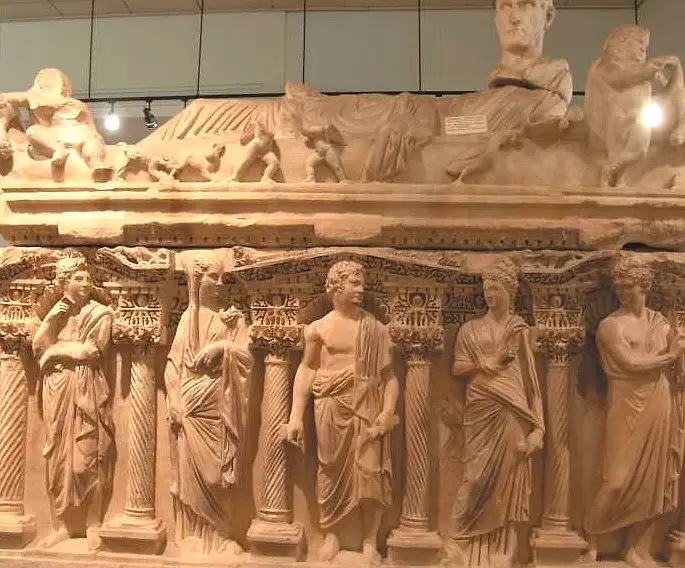
The Iron Age hall brings Phrygian vessels with figures from Aladdin Hill and painted Phrygian pots from Kıcıkışla, as well as Urartian bronze pins and plaques and Lydian painted vessels. Later cases show classical black-glazed cups and an oinochoe, Hellenistic bowls and plates, and Roman bronze statuettes.
According to the Ministry’s listing it opens at 09:00 and closes at 17:00 (last entry 16:40). Closed: Monday.
No. This site sells no tickets. Topkapı Palace, the Basilica Cistern, Hagia Sophia and Dolmabahçe Palace are sold on our sister sites; for Konya Archaeological Museum, buy at the ticket office or on the Ministry’s official e-ticket system.
Konya Archaeological Museum is in Konya, Türkiye — Sahibata Mahallesi Sahibata Caddesi No:91.
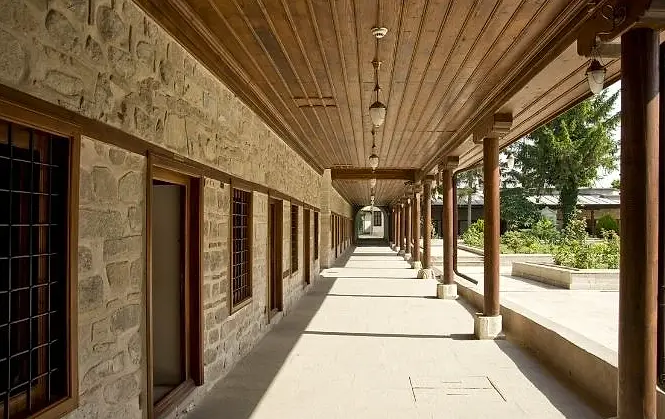
The former Mevlevi dervish lodge in Konya, home to the green-domed tomb of Rumi and one of Turkey's most visited museums.
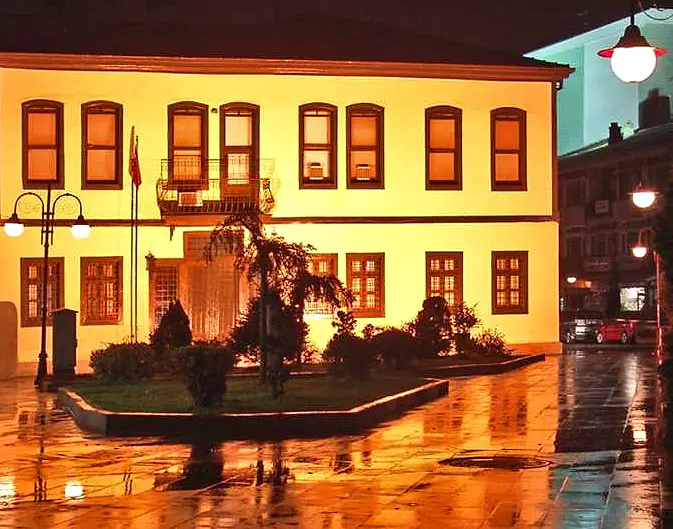
The old town hall of Akşehir where Atatürk and the Western Front command planned the Great Offensive of August 1922, now a museum.
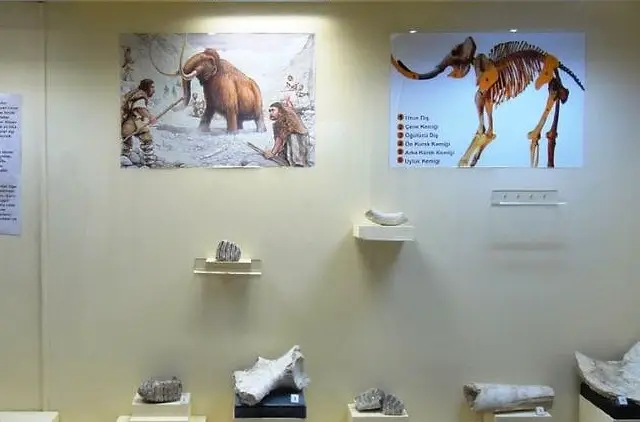
A small museum in Ereğli, Konya, with continuous displays from the Neolithic to the Republic, indoors, outdoors and semi-open, plus a traditional Ereğli house interior. Listed as closed.
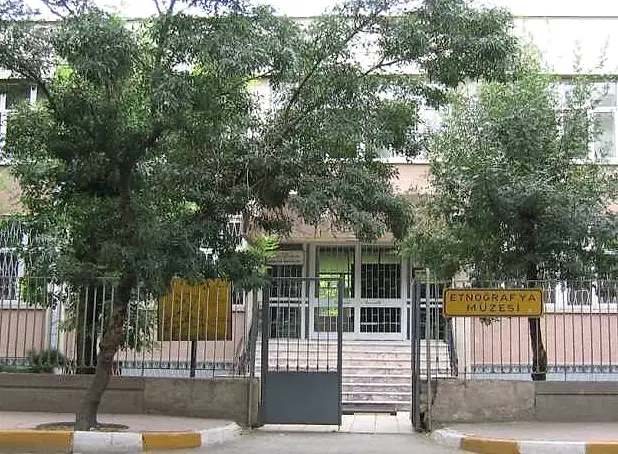
A 1975 museum in Konya showing regional textiles, embroidery, jewellery, coffee sets, calligraphy tools, weapons and carpets. Currently listed as closed.
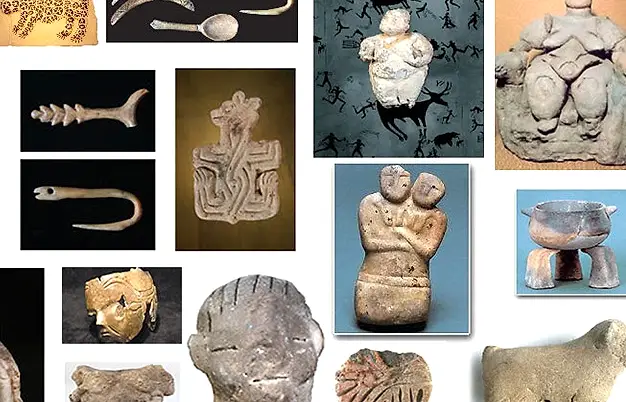
A 9,000-year-old Neolithic town near Çumra, Konya, famous for houses packed together with no streets and entered from the roof.
Four Istanbul landmarks, each sold on its own site by the agency behind this guide — dated entry and free cancellation up to 24 hours.
The sultans’ palace on Sarayburnu: courtyards, the Imperial Council, the treasury and the terraces over the water. Dated entry, sold online on its own site.
Justinian’s great underground reservoir: 336 columns in still water and the two Medusa heads. Fast-track entry with a digital audio guide.
Justinian’s cathedral, the sultans’ mosque and a working mosque again today. The ticket admits you to the upper visitor gallery.
A nineteenth-century palace on the water’s edge: the Selamlık, the Ceremonial Hall under its chandelier, the crystal staircase and the Harem.


