
Topkapı Palace
The sultans’ palace on Sarayburnu: courtyards, the Imperial Council, the treasury and the terraces over the water. Dated entry, sold online on its own site.
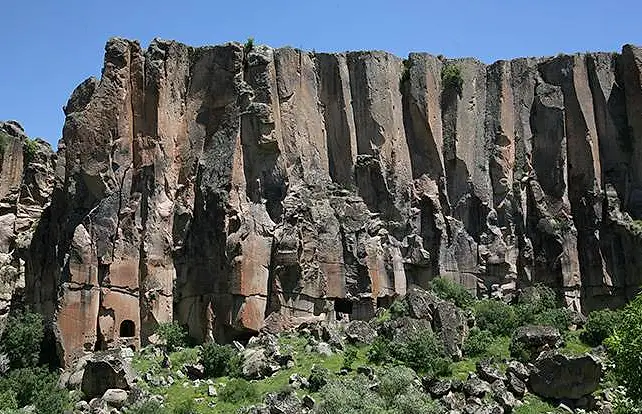
A 14-kilometre canyon in Aksaray, up to 120 metres deep, with a stream at its bottom and dozens of rock-cut churches painted with frescoes.
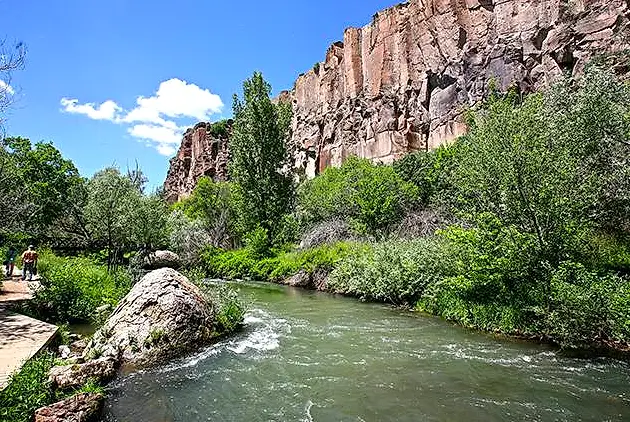
Ihlara Valley is counted among the world's great canyons: about 14 kilometres long and up to 120 metres deep, it runs from the village of Ihlara past Belisırma and Yaprakhisar to Selime. It formed when the volcanic layers laid down by the eruptions of Mount Hasan were worn away by natural forces and the Melendiz stream. Because the water seems to turn as it winds along the canyon, the ancient inhabitants were called the people of the turning water, Peristremma.
From the 4th century, early Christian monks and clergy settled in this sheltered valley, and it became a religious centre from the earliest years of Christianity. Names linked with the region include Basil of Caesarea, who set out monastic rules different from those of Egypt and Syria, and Gregory of Nazianzus, who helped shape the doctrine of the Trinity.
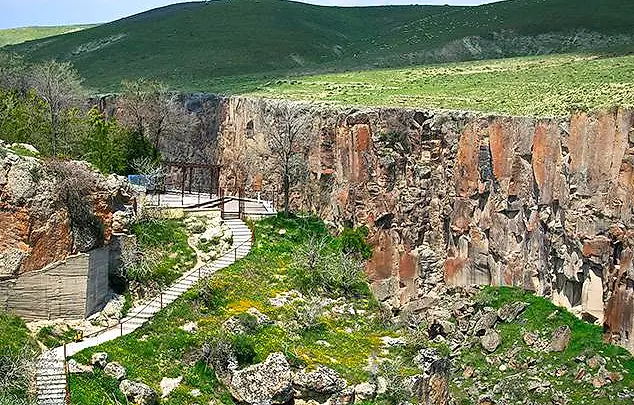
The valley and its surroundings hold around 105 rock-cut churches, of which 14 are open to visitors, including Ağaçaltı, Sümbüllü, Yılanlı, Kokar and Direkli. Those closest to Ihlara show Eastern influence, while the churches near Belisırma have wall paintings of a more Byzantine type. The walk starts down a stair of 382 steps to the valley floor, and the trail follows the stream through green banks.
According to the Ministry’s listing it opens at 08:30 and closes at 19:00 (last entry 18:15). Open every day.
No. This site sells no tickets. Topkapı Palace, the Basilica Cistern, Hagia Sophia and Dolmabahçe Palace are sold on our sister sites; for Ihlara Valley, buy at the ticket office or on the Ministry’s official e-ticket system.
Ihlara Valley is in Aksaray, Türkiye — Ihlara Kasabası Harmanlık Mah. Vadi Cad. No:76 Güzelyurt/AKSARAY.
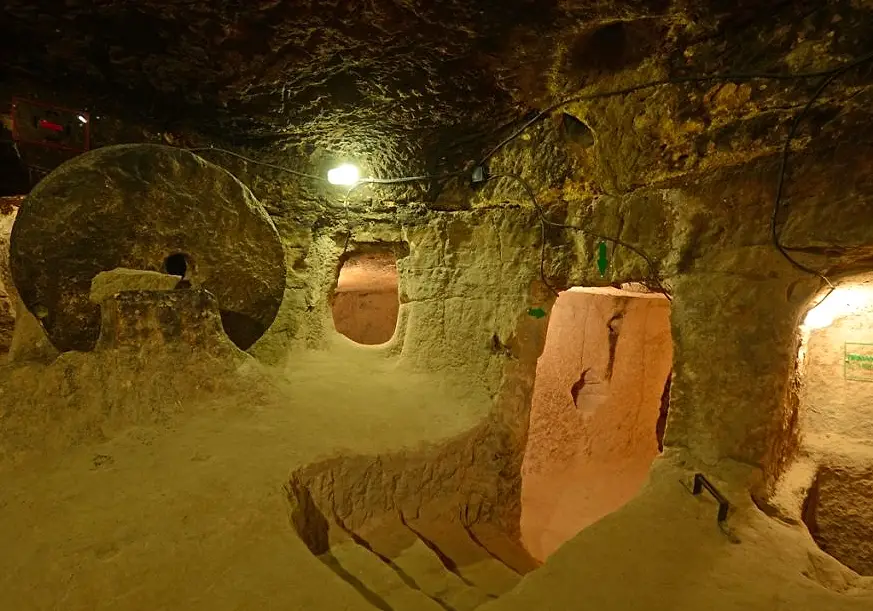
A Byzantine-era underground settlement near Aksaray with stables, kitchens, wells and sliding stone doors, at the gateway to Cappadocia.
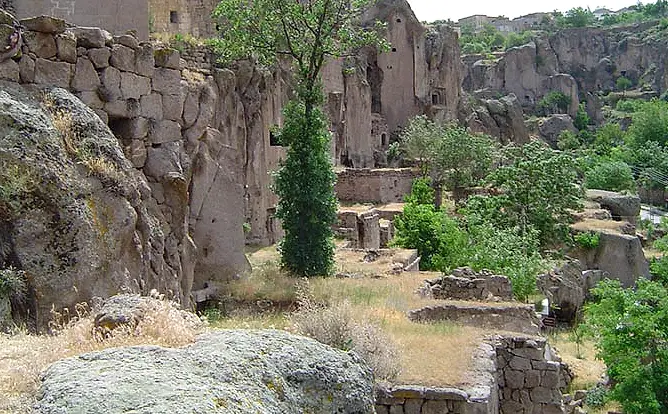
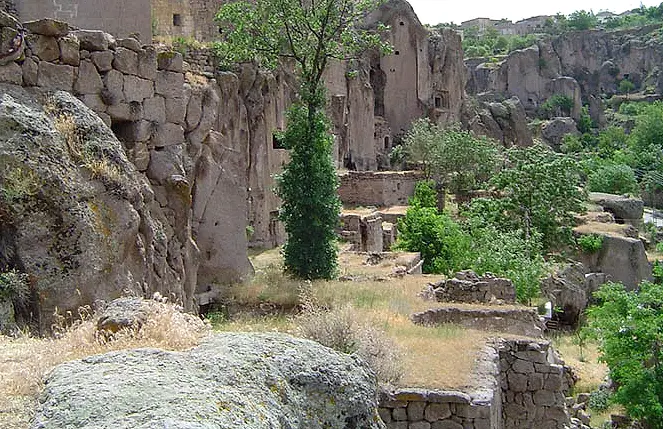
A four-to-five kilometre valley near Güzelyurt with 28 rock-cut churches and underground cities, often called a small Ihlara.
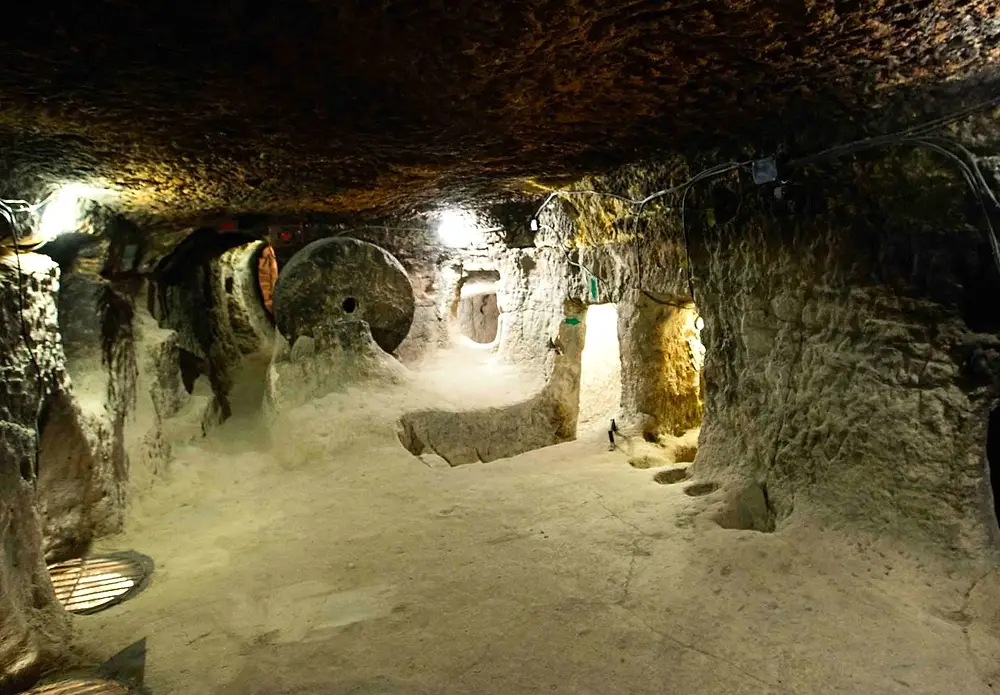
A seven-level underground refuge in Saratlı, Aksaray, with a cave church and a Seljuk-era caravanserai entrance; three levels are open to visitors.
An octagonal three-storey museum displaying more than 15,000 works in chronological order, from the aceramic Neolithic to the late 19th century.
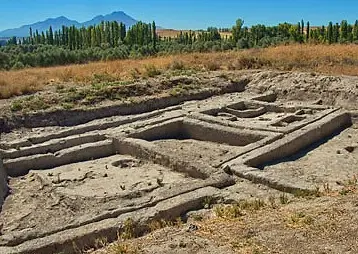
A Neolithic mound near Aksaray where reconstructed houses of the 9th and 8th millennia BC let you walk through an early farming village.
Four Istanbul landmarks, each sold on its own site by the agency behind this guide — dated entry and free cancellation up to 24 hours.
The sultans’ palace on Sarayburnu: courtyards, the Imperial Council, the treasury and the terraces over the water. Dated entry, sold online on its own site.
Justinian’s great underground reservoir: 336 columns in still water and the two Medusa heads. Fast-track entry with a digital audio guide.
Justinian’s cathedral, the sultans’ mosque and a working mosque again today. The ticket admits you to the upper visitor gallery.
A nineteenth-century palace on the water’s edge: the Selamlık, the Ceremonial Hall under its chandelier, the crystal staircase and the Harem.


