
Topkapı Palace
The sultans’ palace on Sarayburnu: courtyards, the Imperial Council, the treasury and the terraces over the water. Dated entry, sold online on its own site.
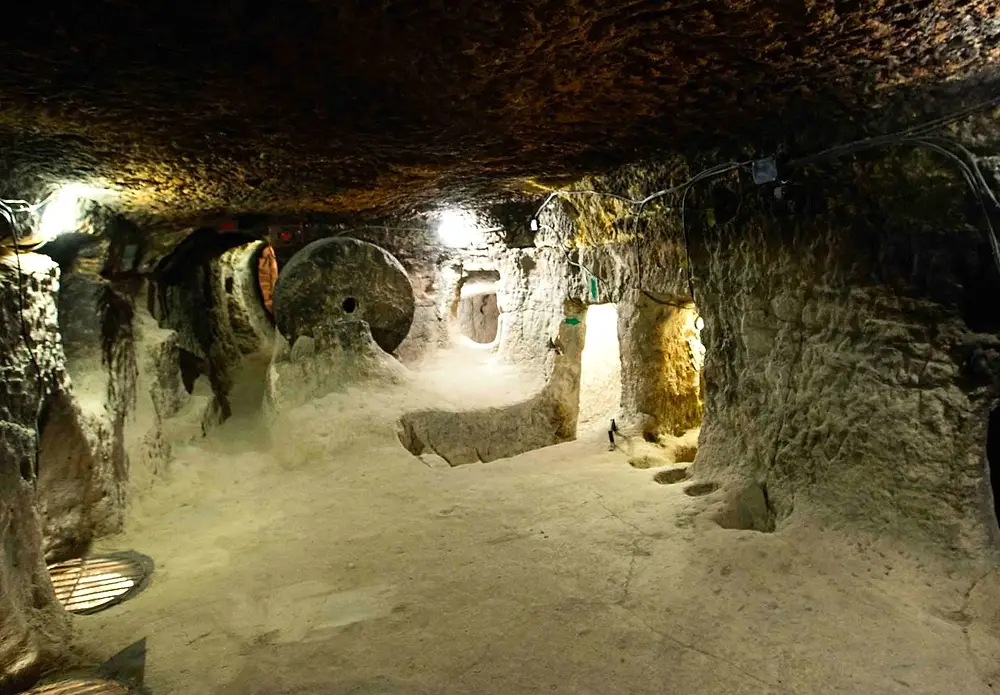
A seven-level underground refuge in Saratlı, Aksaray, with a cave church and a Seljuk-era caravanserai entrance; three levels are open to visitors.
The St. Mercurius Underground City lies in the town of Saratlı, in Aksaray's Gülağaç district. It was used as a hiding place around the 250s AD, when Christianity was banned in the Roman Empire. The saint who gives it his name was a Cappadocian-born commander who lived in the mid-third century and was sent into exile after declaring his faith.
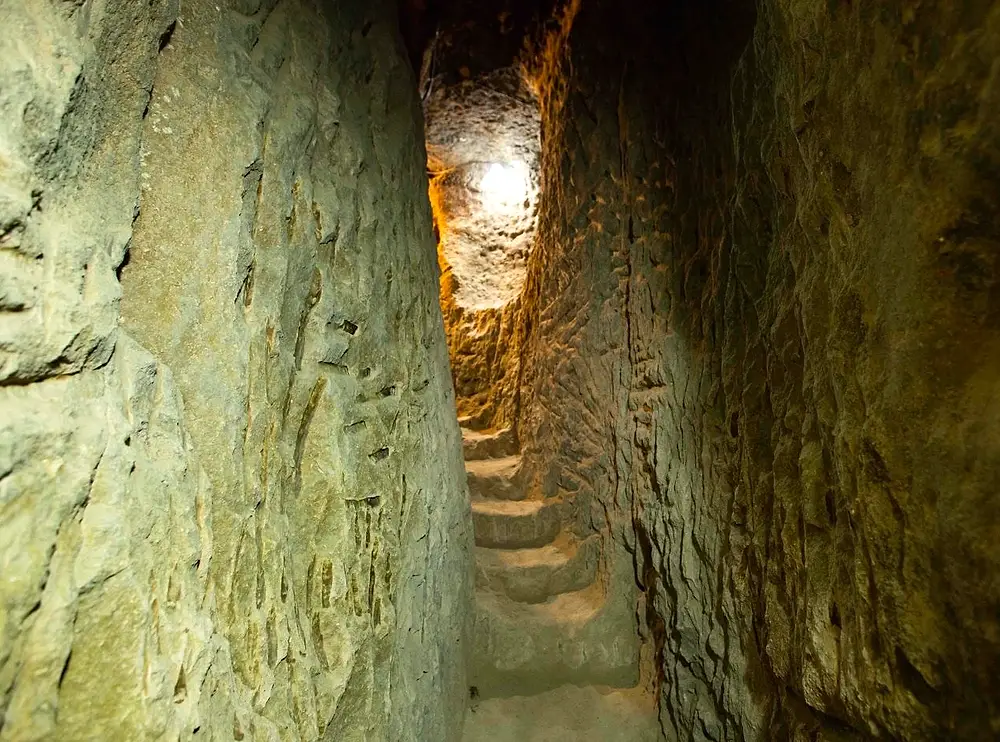
The complex has seven levels, of which three have been cleared and opened to visitors. You enter through a Seljuk-era caravanserai known locally as the "Develik", then move through corridors and rooms down to the lower floors. Underground cities usually contain modest chapels, but here the church spans a whole storey and recalls a small cathedral.
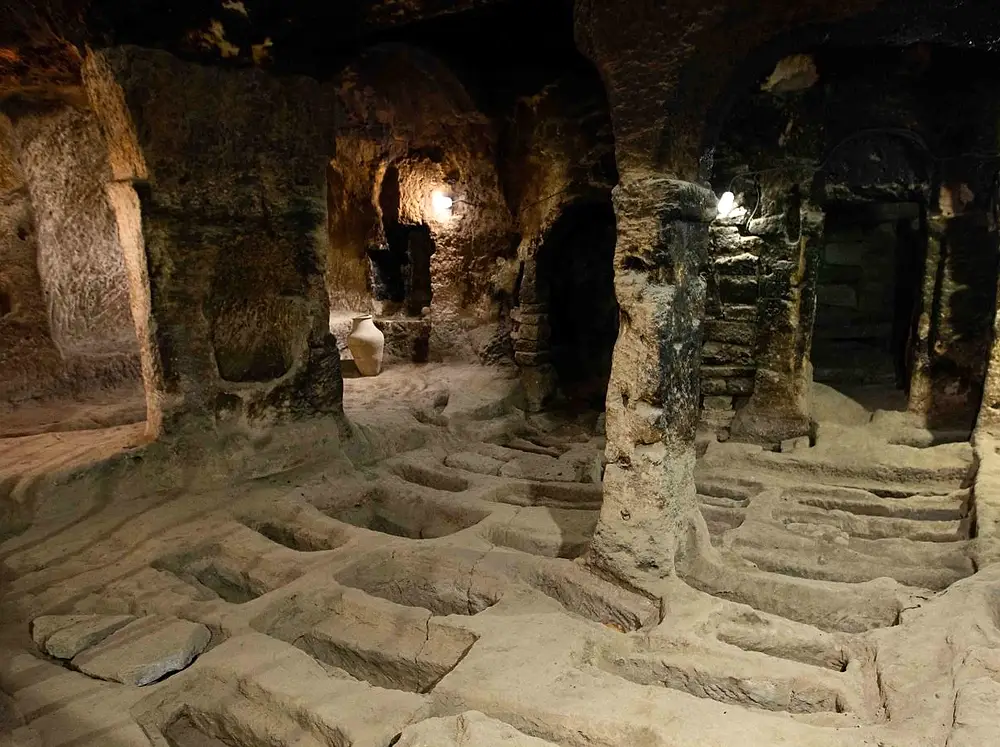
Excavations found about twenty graves of adults and children on the church floor, including a sarcophagus holding a man and a woman placed one above the other, and crosses carved in many forms. Storage jars turned up in the rooms, and a votive shrine known as "Develi Dam" still stands in one corner, next to a chamber with reliefs on its walls. The church seems to have been used most in the Eastern Roman period.
According to the Ministry’s listing it opens at 08:30 and closes at 19:00 (last entry 18:30). Open every day.
No. This site sells no tickets. Topkapı Palace, the Basilica Cistern, Hagia Sophia and Dolmabahçe Palace are sold on our sister sites; for St. Mercurius Underground City, buy at the ticket office or on the Ministry’s official e-ticket system.
St. Mercurius Underground City is in Aksaray, Türkiye — Saratlı Köyü Yolu, 68900 Saratlı/Gülağaç/Aksaray.
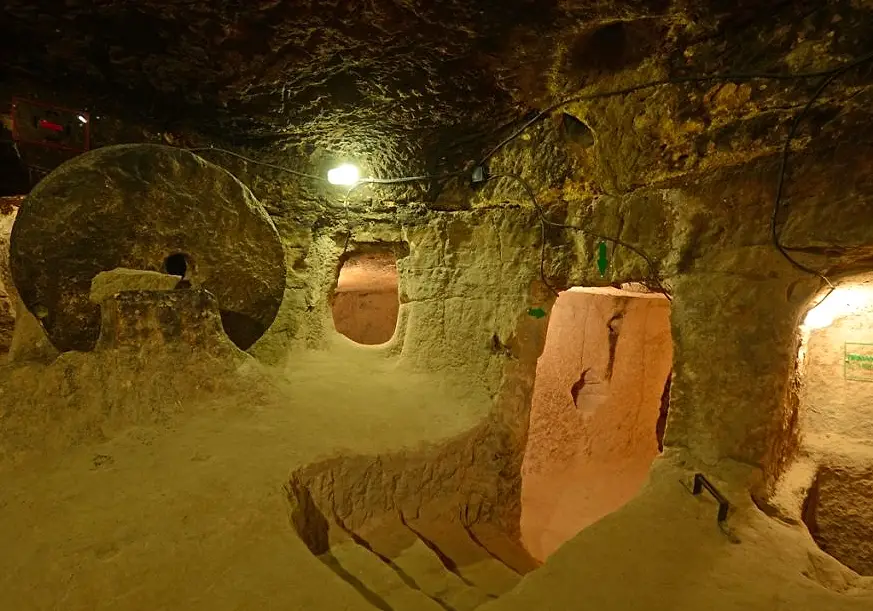
A Byzantine-era underground settlement near Aksaray with stables, kitchens, wells and sliding stone doors, at the gateway to Cappadocia.
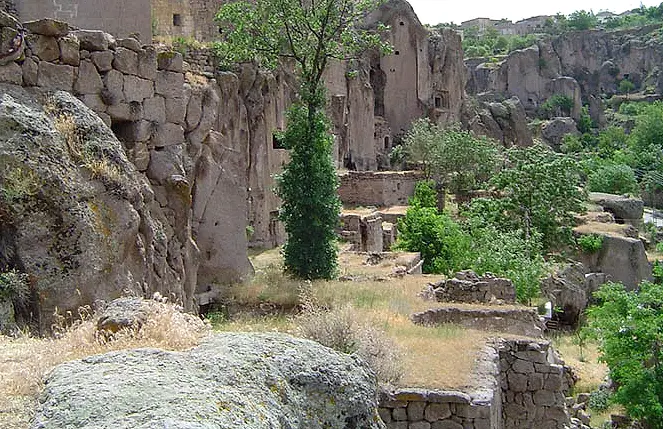
An octagonal three-storey museum displaying more than 15,000 works in chronological order, from the aceramic Neolithic to the late 19th century.
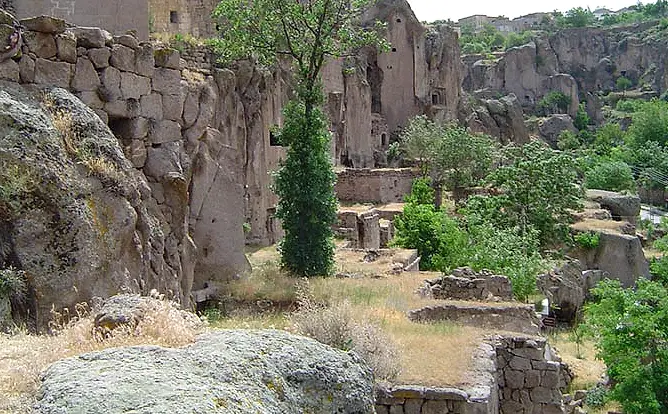
A four-to-five kilometre valley near Güzelyurt with 28 rock-cut churches and underground cities, often called a small Ihlara.
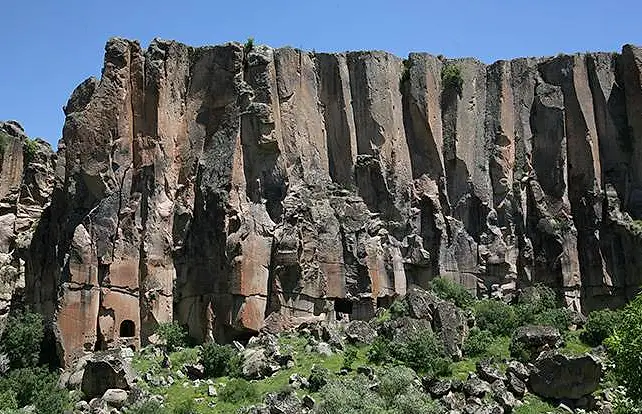
A 14-kilometre canyon in Aksaray, up to 120 metres deep, with a stream at its bottom and dozens of rock-cut churches painted with frescoes.
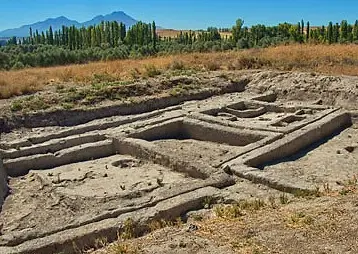
A Neolithic mound near Aksaray where reconstructed houses of the 9th and 8th millennia BC let you walk through an early farming village.
Four Istanbul landmarks, each sold on its own site by the agency behind this guide — dated entry and free cancellation up to 24 hours.
The sultans’ palace on Sarayburnu: courtyards, the Imperial Council, the treasury and the terraces over the water. Dated entry, sold online on its own site.
Justinian’s great underground reservoir: 336 columns in still water and the two Medusa heads. Fast-track entry with a digital audio guide.
Justinian’s cathedral, the sultans’ mosque and a working mosque again today. The ticket admits you to the upper visitor gallery.
A nineteenth-century palace on the water’s edge: the Selamlık, the Ceremonial Hall under its chandelier, the crystal staircase and the Harem.


