
Topkapı Palace
The sultans’ palace on Sarayburnu: courtyards, the Imperial Council, the treasury and the terraces over the water. Dated entry, sold online on its own site.
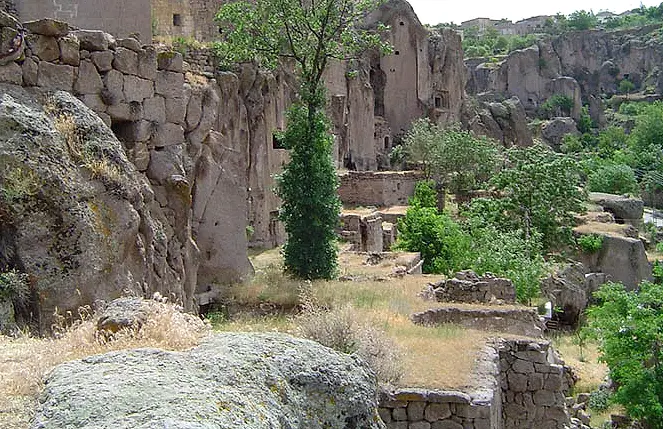
An octagonal three-storey museum displaying more than 15,000 works in chronological order, from the aceramic Neolithic to the late 19th century.
Aksaray Museum began its life in 1969 in the Zinciriye Madrasa. In 2006 it moved into a purpose-built three-storey building on an octagonal plan, and in 2013 it reopened with a new display arranged strictly in chronological order.
The route starts in the aceramic Neolithic, before pottery was made, and follows the region's story through the ages up to the end of the 19th century. Six exhibition halls and the garden hold the collection, which counts 15,354 objects.
The chronological layout makes the museum easy to read even for a first-time visitor: you simply walk forward through time and see how Central Anatolia changed.
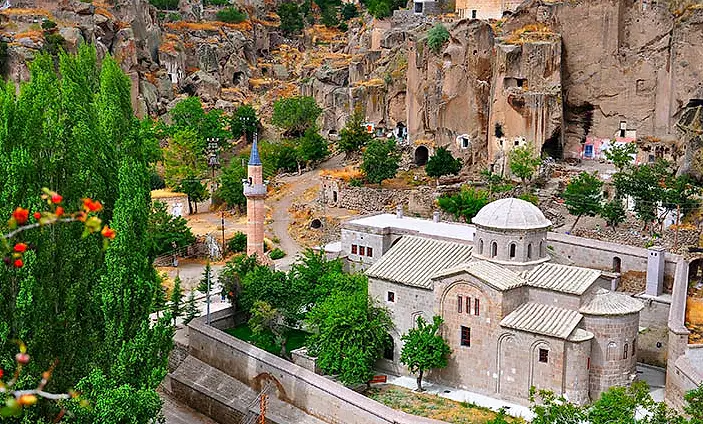
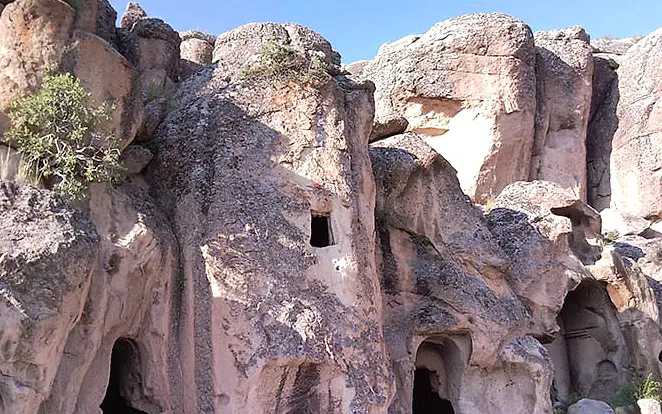
According to the Ministry’s listing it opens at 09:00 and closes at 16:30 (last entry 16:00). Closed: Monday.
No. This site sells no tickets. Topkapı Palace, the Basilica Cistern, Hagia Sophia and Dolmabahçe Palace are sold on our sister sites; for Aksaray Museum, buy at the ticket office or on the Ministry’s official e-ticket system.
Aksaray Museum is in Aksaray, Türkiye — Hacılar Harmanı Mahallesi, Konya Caddesi No: 5, Bulvar No:16.
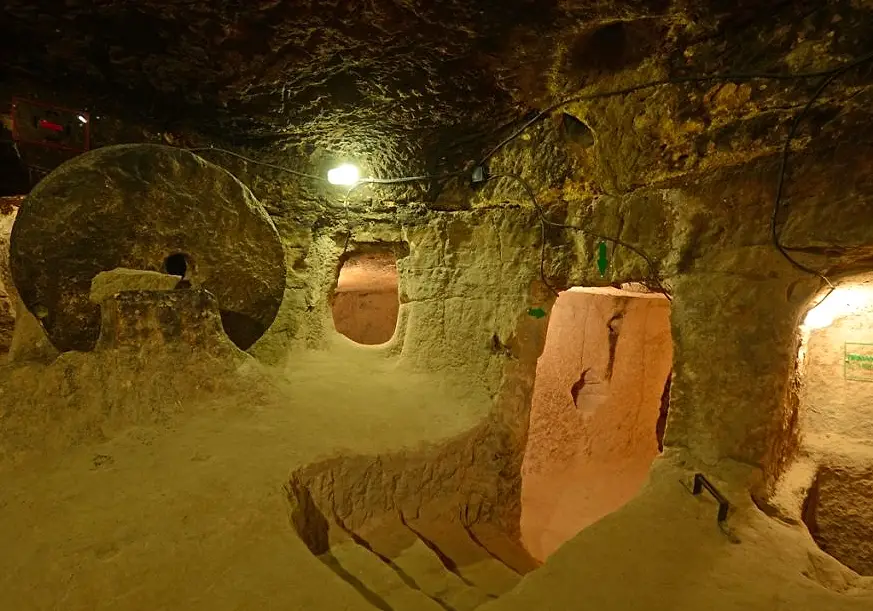
A Byzantine-era underground settlement near Aksaray with stables, kitchens, wells and sliding stone doors, at the gateway to Cappadocia.
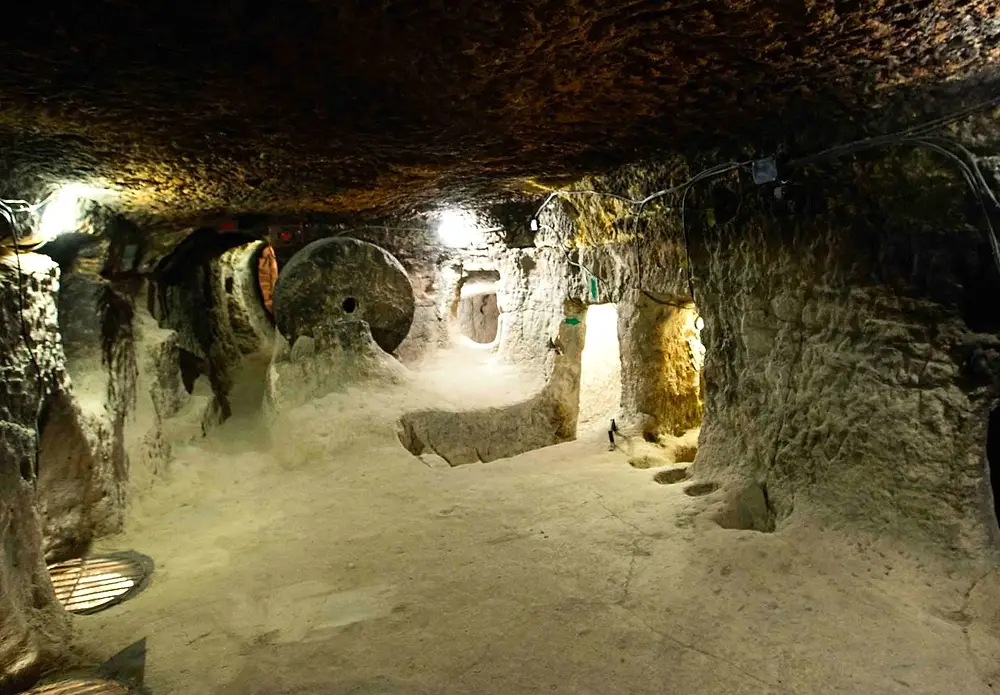
A seven-level underground refuge in Saratlı, Aksaray, with a cave church and a Seljuk-era caravanserai entrance; three levels are open to visitors.
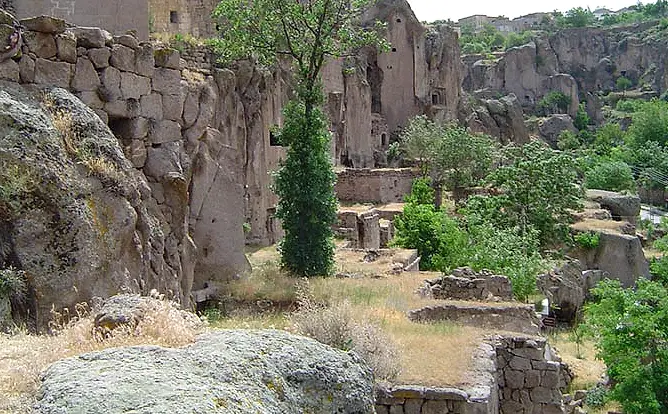
A four-to-five kilometre valley near Güzelyurt with 28 rock-cut churches and underground cities, often called a small Ihlara.
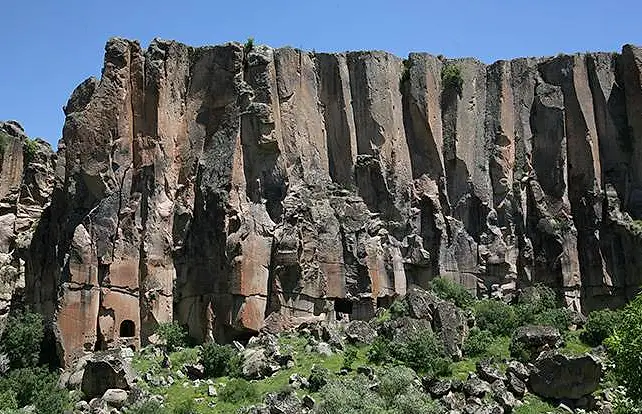
A 14-kilometre canyon in Aksaray, up to 120 metres deep, with a stream at its bottom and dozens of rock-cut churches painted with frescoes.
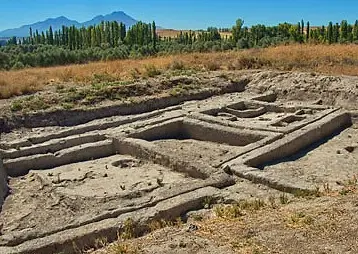
A Neolithic mound near Aksaray where reconstructed houses of the 9th and 8th millennia BC let you walk through an early farming village.
Four Istanbul landmarks, each sold on its own site by the agency behind this guide — dated entry and free cancellation up to 24 hours.
The sultans’ palace on Sarayburnu: courtyards, the Imperial Council, the treasury and the terraces over the water. Dated entry, sold online on its own site.
Justinian’s great underground reservoir: 336 columns in still water and the two Medusa heads. Fast-track entry with a digital audio guide.
Justinian’s cathedral, the sultans’ mosque and a working mosque again today. The ticket admits you to the upper visitor gallery.
A nineteenth-century palace on the water’s edge: the Selamlık, the Ceremonial Hall under its chandelier, the crystal staircase and the Harem.


