
Topkapı Palace
The sultans’ palace on Sarayburnu: courtyards, the Imperial Council, the treasury and the terraces over the water. Dated entry, sold online on its own site.
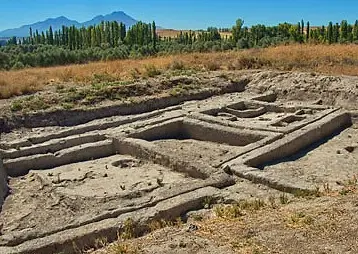
A Neolithic mound near Aksaray where reconstructed houses of the 9th and 8th millennia BC let you walk through an early farming village.
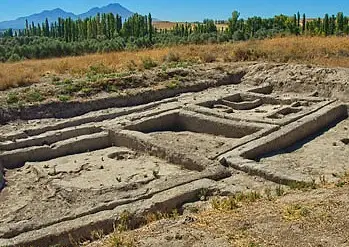
Aşıklı Höyük lies about 25 kilometres south-east of Aksaray, in the village of Kızılkaya. Excavations here have continued for more than 25 years and uncovered one of Anatolia's early farming settlements. At the entrance to the mound, a group of houses has been rebuilt as exact copies using experimental archaeology methods, and opened to visitors.
The reconstruction includes two semi-buried houses dated to the 9th millennium BC. Around a street stand rectangular mudbrick buildings with one or two rooms, typical of the 8th millennium BC. Shrubs and trees such as terebinth, wild almond and wild plum have been planted, and researchers of the Aşıklı Project sow an experimental field of wild wheat every year and harvest it with obsidian tools.
Inside the houses, objects reflecting prehistoric life are displayed, and one scene shows how people once entered the dwellings, by ladder through an opening in the roof. Rather than stone ruins, this is a rare chance to see the scale and materials of a Neolithic village. It suits families and anyone curious about the beginning of settled life.
According to the Ministry’s listing it opens at 08:00 and closes at 17:00 (last entry 16:30).
No. This site sells no tickets. Topkapı Palace, the Basilica Cistern, Hagia Sophia and Dolmabahçe Palace are sold on our sister sites; for Aşıklı Höyük, buy at the ticket office or on the Ministry’s official e-ticket system.
Aşıklı Höyük is in Aksaray, Türkiye — Kızılkaya Köyü, Gülağaç, Aksaray, Türkiye.
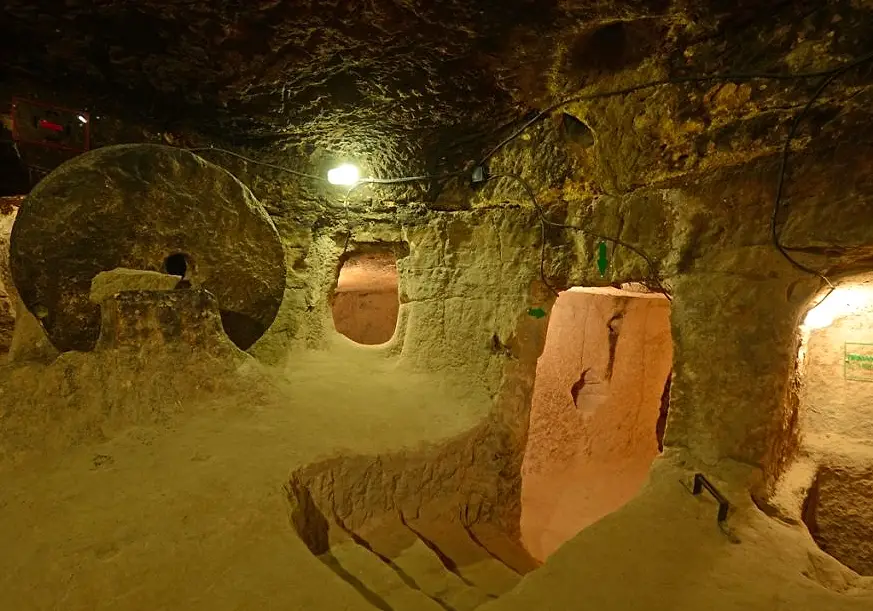
A Byzantine-era underground settlement near Aksaray with stables, kitchens, wells and sliding stone doors, at the gateway to Cappadocia.
An octagonal three-storey museum displaying more than 15,000 works in chronological order, from the aceramic Neolithic to the late 19th century.
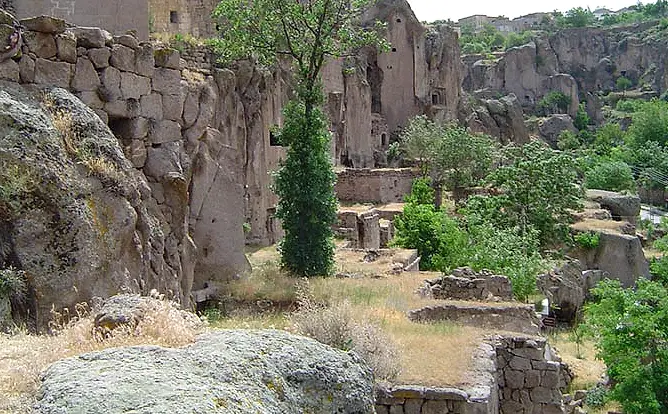
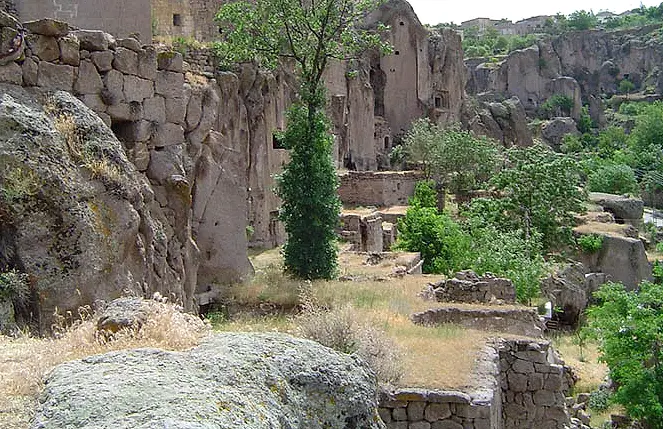
A four-to-five kilometre valley near Güzelyurt with 28 rock-cut churches and underground cities, often called a small Ihlara.
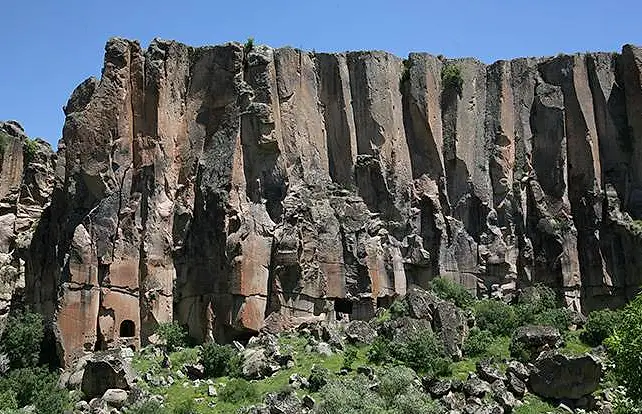
A 14-kilometre canyon in Aksaray, up to 120 metres deep, with a stream at its bottom and dozens of rock-cut churches painted with frescoes.
Four Istanbul landmarks, each sold on its own site by the agency behind this guide — dated entry and free cancellation up to 24 hours.
The sultans’ palace on Sarayburnu: courtyards, the Imperial Council, the treasury and the terraces over the water. Dated entry, sold online on its own site.
Justinian’s great underground reservoir: 336 columns in still water and the two Medusa heads. Fast-track entry with a digital audio guide.
Justinian’s cathedral, the sultans’ mosque and a working mosque again today. The ticket admits you to the upper visitor gallery.
A nineteenth-century palace on the water’s edge: the Selamlık, the Ceremonial Hall under its chandelier, the crystal staircase and the Harem.


