
Topkapı Palace
The sultans’ palace on Sarayburnu: courtyards, the Imperial Council, the treasury and the terraces over the water. Dated entry, sold online on its own site.
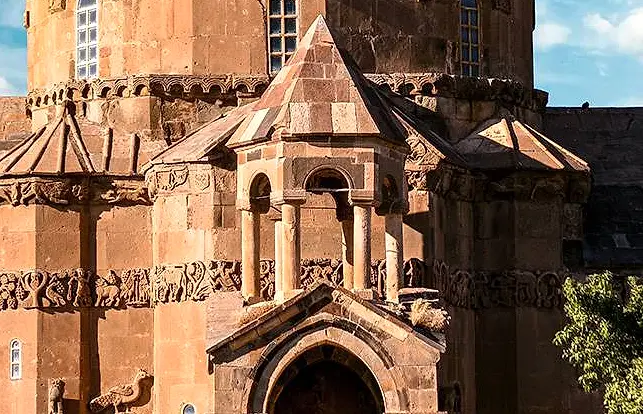
A tenth-century Armenian royal church on Akdamar Island in Lake Van, covered in stone reliefs of biblical scenes, animals and court life, reached by a short boat ride.
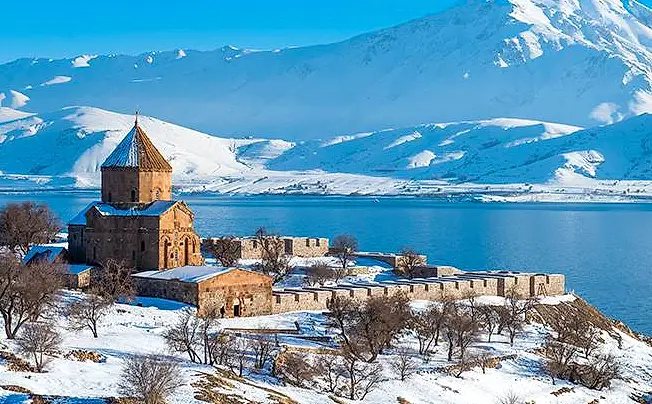
Akdamar Island lies in Lake Van in the Gevaş district, about fifty-five kilometres from Van city, and it is reached by a boat ride of roughly twenty minutes from the pier on the Van-Tatvan road. The reason to go is the church, built between 915 and 921 by the architect Monk Manuel for Gagik I, king of the Armenian kingdom of Vaspurakan. It began as a royal palace church, and it reflects the cultural mixing of the Vaspurakan realm, which ruled around Van under Abbasid overlordship.
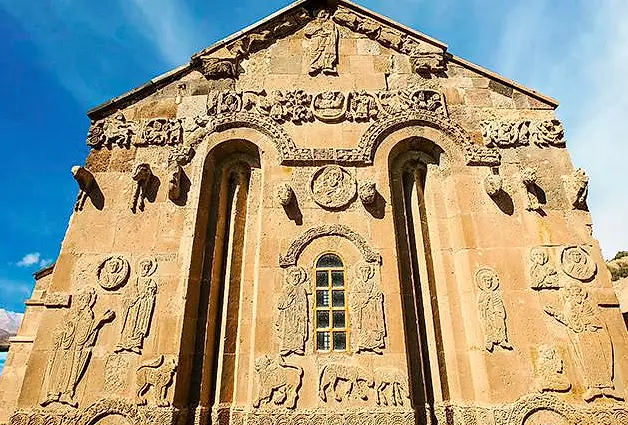
The plan is a four-lobed cross with a central dome and corner niches, built of red cut tuff. Later additions include a chapel and a bell tower. The church was restored in 2005 and 2006 and opened as a monument museum in 2007. Its fame comes from the stone reliefs around the outside walls. They show biblical scenes, Christ, Mary, apostles and prophets, but also palace life, hunting scenes, nobles, animals, fruit and geometric and floral motifs, in a style that also draws on Abbasid art.
Inside, the walls carry fresco cycles, now largely faded, which are among the earliest and most extensive wall paintings of the area. The island's name comes from a local legend: Tamara, a monk's daughter, lit a lantern for the young shepherd who swam across each night, until a storm drowned him with her name on his lips.
According to the Ministry’s listing it opens at 08:00 and closes at 19:30 (last entry 19:00). Open every day.
No. This site sells no tickets. Topkapı Palace, the Basilica Cistern, Hagia Sophia and Dolmabahçe Palace are sold on our sister sites; for Akdamar Church Museum, buy at the ticket office or on the Ministry’s official e-ticket system.
Akdamar Church Museum is in Van, Türkiye — 65700 Akdamar Adası Gevaş/Van.
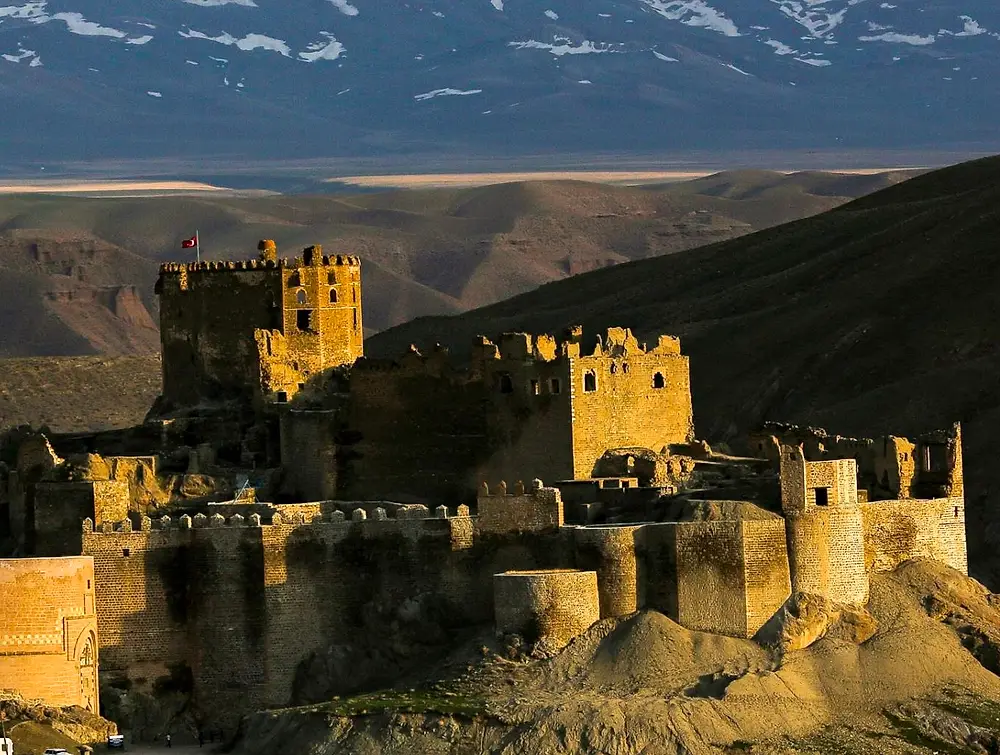
A seventeenth-century Kurdish-Ottoman fortress on a sheer rock above the Hoşap stream, with a lion-relief gate, a Persian inscription and the ruins of a whole small town inside.
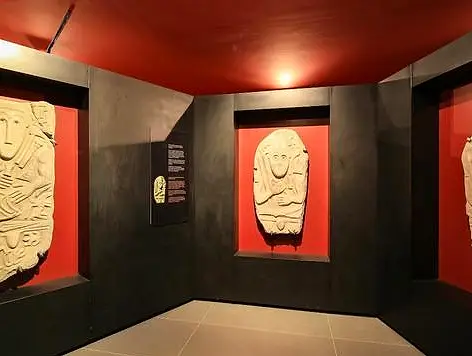
A large modern museum in Van tracing the city's past from the Palaeolithic to the Ottomans, with an outstanding Urartian collection and rare Iron Age stelae from Hakkari.
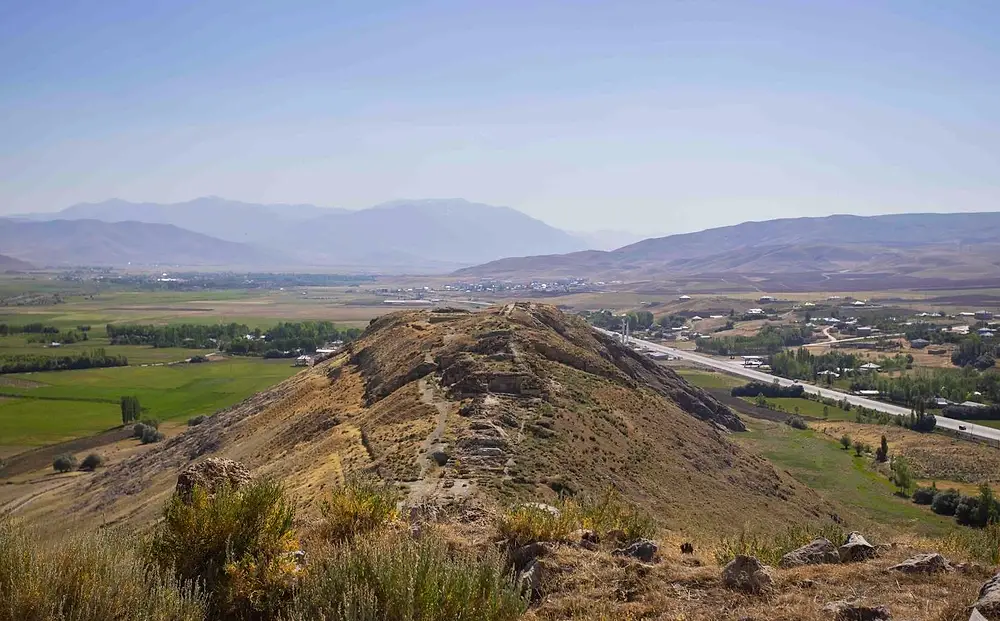
An eighth-century BC Urartian fortress southeast of Van, with an upper castle and temple of Haldi, a lower castle with palace and workshops, and a rock-cut necropolis.
Four Istanbul landmarks, each sold on its own site by the agency behind this guide — dated entry and free cancellation up to 24 hours.
The sultans’ palace on Sarayburnu: courtyards, the Imperial Council, the treasury and the terraces over the water. Dated entry, sold online on its own site.
Justinian’s great underground reservoir: 336 columns in still water and the two Medusa heads. Fast-track entry with a digital audio guide.
Justinian’s cathedral, the sultans’ mosque and a working mosque again today. The ticket admits you to the upper visitor gallery.
A nineteenth-century palace on the water’s edge: the Selamlık, the Ceremonial Hall under its chandelier, the crystal staircase and the Harem.


