
Topkapı Palace
The sultans’ palace on Sarayburnu: courtyards, the Imperial Council, the treasury and the terraces over the water. Dated entry, sold online on its own site.
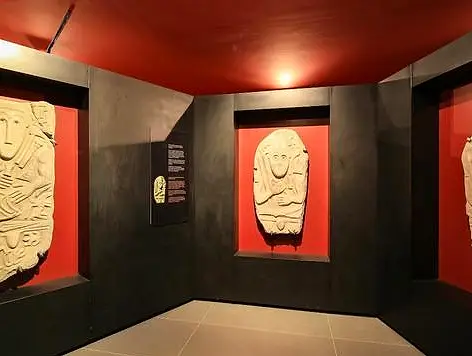
A large modern museum in Van tracing the city's past from the Palaeolithic to the Ottomans, with an outstanding Urartian collection and rare Iron Age stelae from Hakkari.
On September 30, 2026 the Ministry’s listing showed this museum as closed to visitors. Check the official page before planning a visit.
Van is one of the oldest settled places in the story of civilisation. On the shores of Lake Van and on the Silk Road, it was the capital of the Urartian kingdom and remained important in Seljuk and Ottoman times. The idea for a museum here first arose in 1932, to keep in one place the movable heritage found in the province. It began as a museum office in 1945 and became a museum directorate in 1972, and the modern building that opened in 2019 replaced earlier premises.
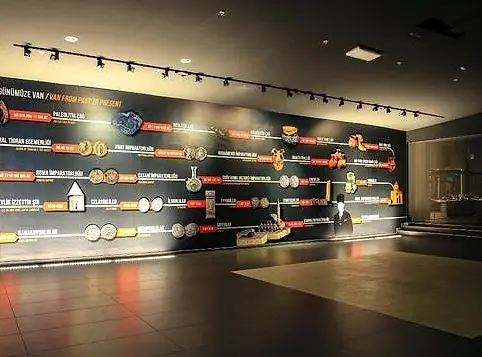
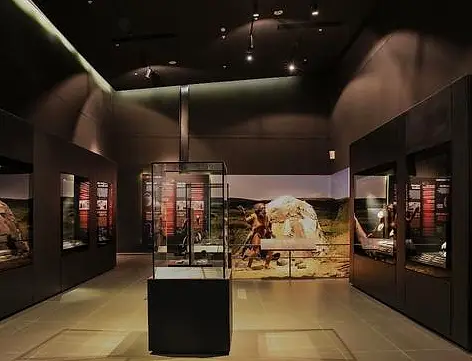
The galleries run in chronological order, from the Palaeolithic through the Neolithic, Chalcolithic, Urartian, Persian, Roman, Byzantine, Seljuk and Turkish-Islamic periods to the Ottomans. The complex covers about ten thousand square metres indoors, with a large number of halls, a conference hall, classrooms, a library, children's play areas, a souvenir stand, temporary exhibition halls and a cafeteria.
The museum is best known for its Urartian collection, including bracelets, arm bands, belts, earrings, beads and votive plaques, and parts of furniture that show the metalworking skills of the Urartians. Another highlight is a group of thirteen limestone stelae from the Early Iron Age, found by chance in 1998 below Mir Castle in the centre of Hakkari. Eleven show men and two show women, probably local lords and their wives, carved with different techniques and shown with local headdresses and weapons, along with tents and wild animals.
According to the Ministry’s listing it opens at 00:00 and closes at 00:00.
No. This site sells no tickets. Topkapı Palace, the Basilica Cistern, Hagia Sophia and Dolmabahçe Palace are sold on our sister sites; for Van Museum, buy at the ticket office or on the Ministry’s official e-ticket system.
Van Museum is in Van, Türkiye — Yalı Mahallesi Kale Sokak No:02.
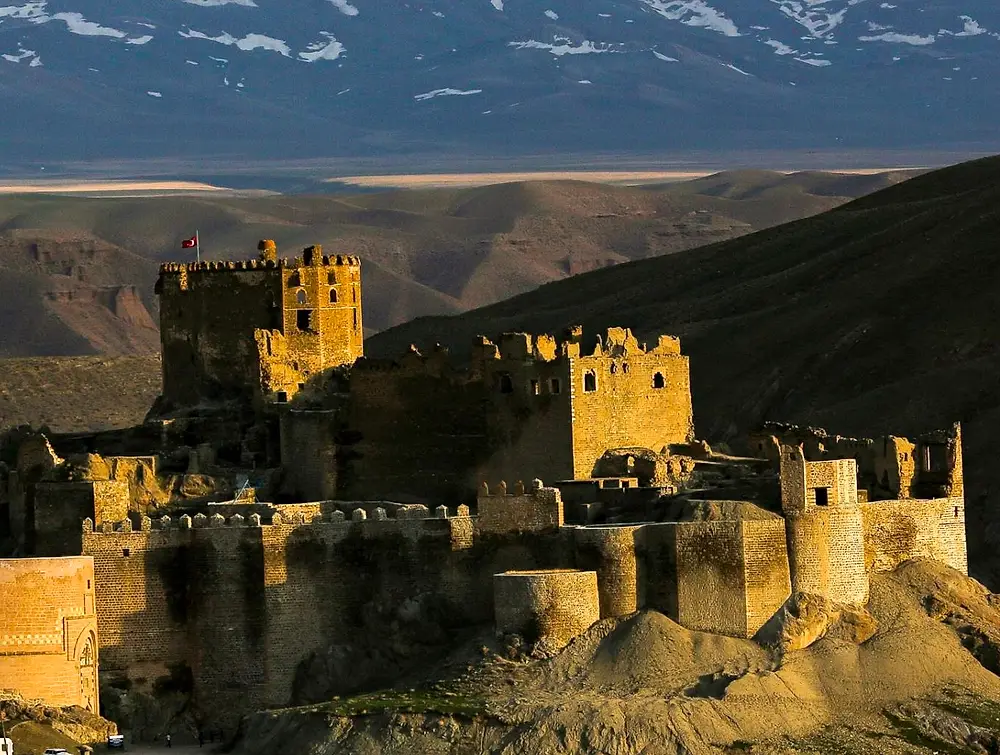
A seventeenth-century Kurdish-Ottoman fortress on a sheer rock above the Hoşap stream, with a lion-relief gate, a Persian inscription and the ruins of a whole small town inside.
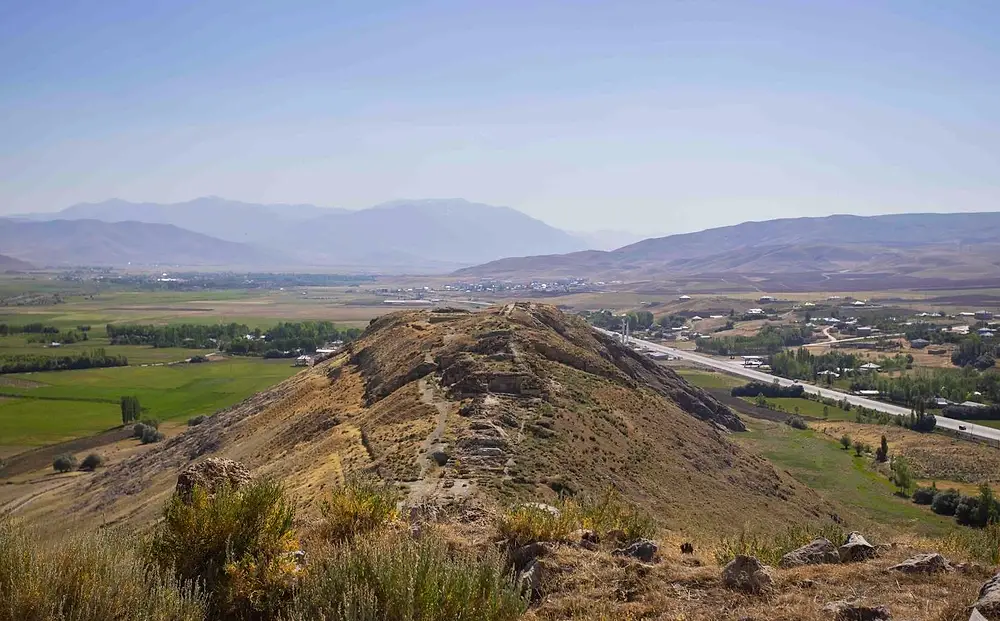
An eighth-century BC Urartian fortress southeast of Van, with an upper castle and temple of Haldi, a lower castle with palace and workshops, and a rock-cut necropolis.
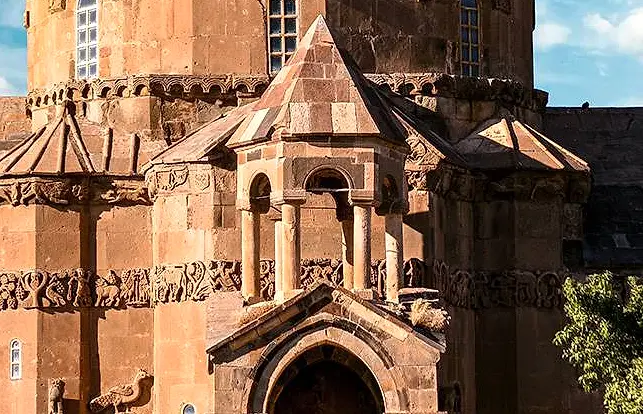
A tenth-century Armenian royal church on Akdamar Island in Lake Van, covered in stone reliefs of biblical scenes, animals and court life, reached by a short boat ride.
Four Istanbul landmarks, each sold on its own site by the agency behind this guide — dated entry and free cancellation up to 24 hours.
The sultans’ palace on Sarayburnu: courtyards, the Imperial Council, the treasury and the terraces over the water. Dated entry, sold online on its own site.
Justinian’s great underground reservoir: 336 columns in still water and the two Medusa heads. Fast-track entry with a digital audio guide.
Justinian’s cathedral, the sultans’ mosque and a working mosque again today. The ticket admits you to the upper visitor gallery.
A nineteenth-century palace on the water’s edge: the Selamlık, the Ceremonial Hall under its chandelier, the crystal staircase and the Harem.


