
Topkapı Palace
The sultans’ palace on Sarayburnu: courtyards, the Imperial Council, the treasury and the terraces over the water. Dated entry, sold online on its own site.
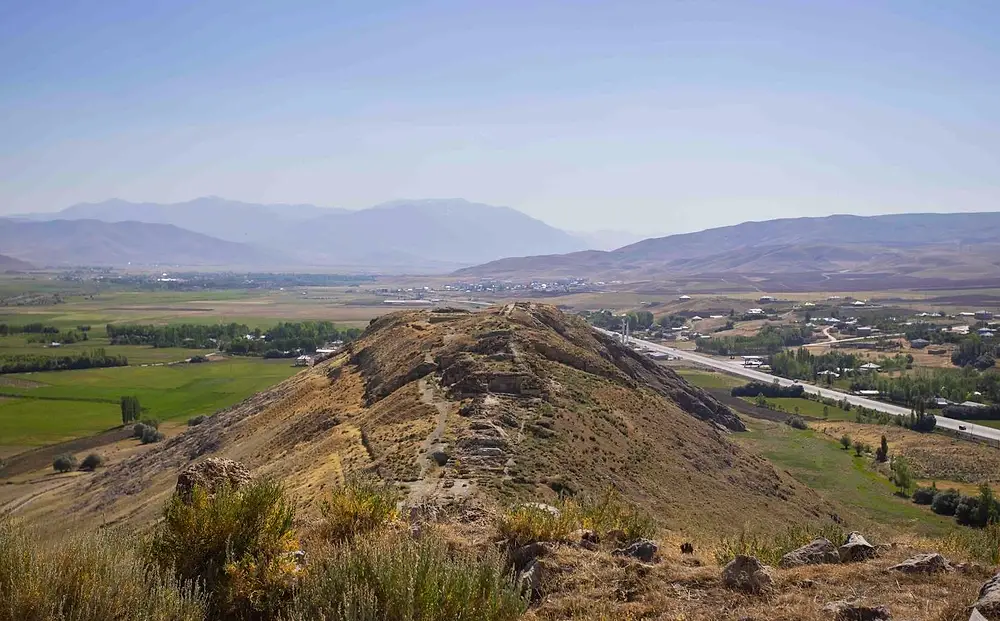
An eighth-century BC Urartian fortress southeast of Van, with an upper castle and temple of Haldi, a lower castle with palace and workshops, and a rock-cut necropolis.
Çavuştepe Castle stands about twenty-five kilometres southeast of Van, on two hills at the western end of Bol Mountain. It looks over the Gürpınar plain and the road passing through it. The Urartian king Sarduri II, who reigned from 764 to 735 BC, had it built, and in Urartian times it was called Sardurihinili, meaning the city of Sardur. Turkish archaeologists have dug here since 1961.
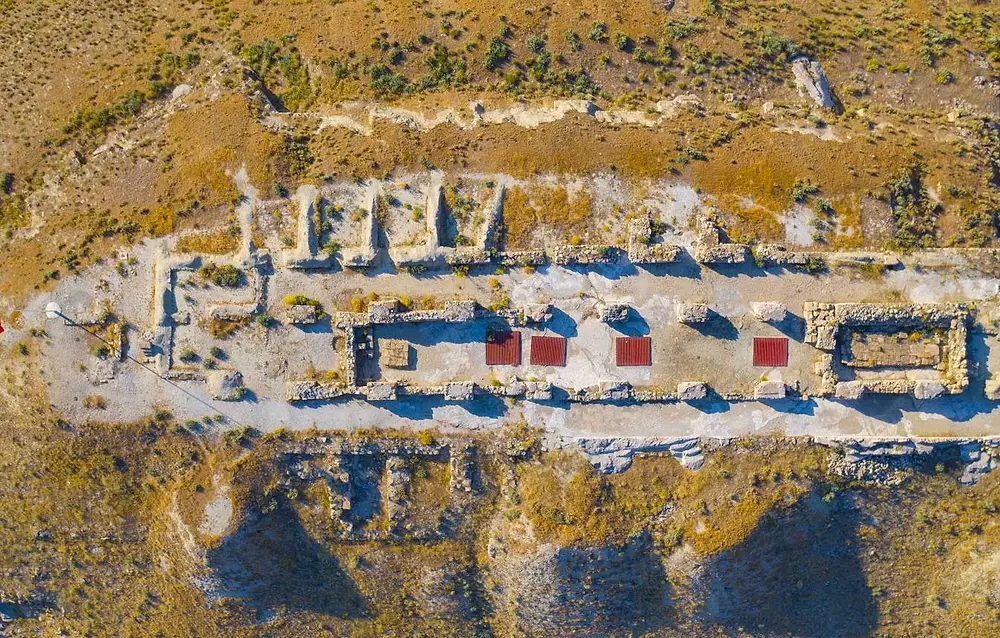
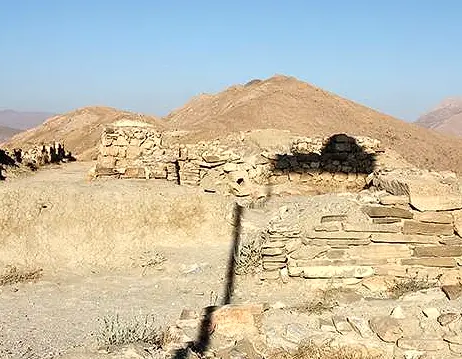
The fortress is about a kilometre long and is divided into an Upper and a Lower Castle, joined at the central main gate. Strong walls and two ditches cut into the rock protect it. The Upper Castle, to the east, has a large rock platform and a square-planned porticoed temple of Haldi, the chief god of the Urartians. The Lower Castle, to the west, is larger. It has workshops, stone walls four to five metres high, a palace, storage rooms, cellars, a kitchen, cisterns, and a second temple, this one to the god Irmushini, as well as a structure called Uçkale, thought to have served a religious purpose.
About a kilometre to the north lies the castle's necropolis, where four types of grave have been identified: chamber tombs, urn burials, sarcophagi and simple earthenware graves. Illicit digging before 2017 badly damaged this cemetery.
According to the Ministry’s listing it opens at 00:00 and closes at 19:00 (last entry 18:30). Open every day.
No. This site sells no tickets. Topkapı Palace, the Basilica Cistern, Hagia Sophia and Dolmabahçe Palace are sold on our sister sites; for Çavuştepe Castle, buy at the ticket office or on the Ministry’s official e-ticket system.
Çavuştepe Castle is in Van, Türkiye — Çavuştepe Mahallesi, 65900 Çavuştepe Köyü/Gürpınar.
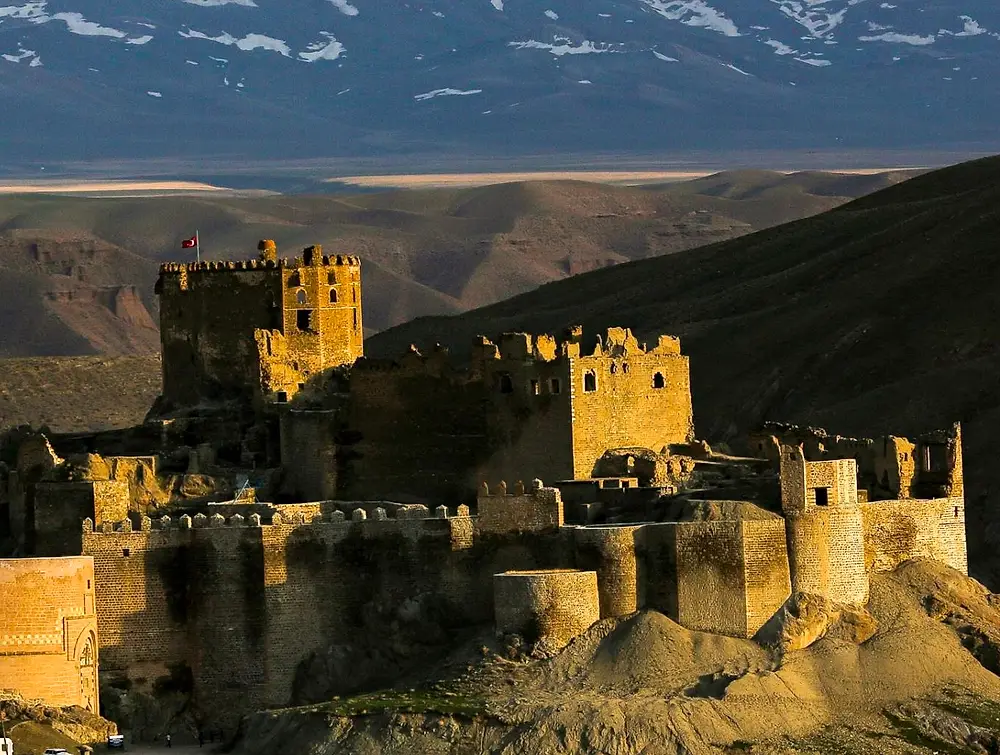
A seventeenth-century Kurdish-Ottoman fortress on a sheer rock above the Hoşap stream, with a lion-relief gate, a Persian inscription and the ruins of a whole small town inside.
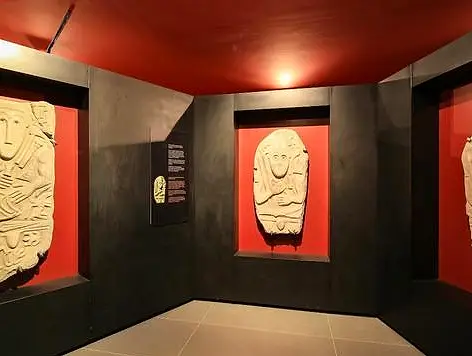
A large modern museum in Van tracing the city's past from the Palaeolithic to the Ottomans, with an outstanding Urartian collection and rare Iron Age stelae from Hakkari.
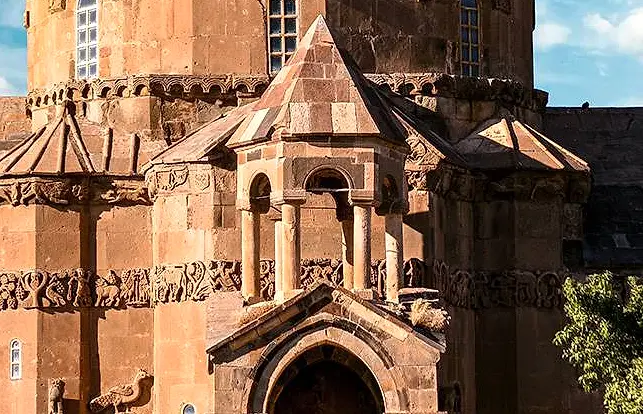
A tenth-century Armenian royal church on Akdamar Island in Lake Van, covered in stone reliefs of biblical scenes, animals and court life, reached by a short boat ride.
Four Istanbul landmarks, each sold on its own site by the agency behind this guide — dated entry and free cancellation up to 24 hours.
The sultans’ palace on Sarayburnu: courtyards, the Imperial Council, the treasury and the terraces over the water. Dated entry, sold online on its own site.
Justinian’s great underground reservoir: 336 columns in still water and the two Medusa heads. Fast-track entry with a digital audio guide.
Justinian’s cathedral, the sultans’ mosque and a working mosque again today. The ticket admits you to the upper visitor gallery.
A nineteenth-century palace on the water’s edge: the Selamlık, the Ceremonial Hall under its chandelier, the crystal staircase and the Harem.


