
Topkapı Palace
The sultans’ palace on Sarayburnu: courtyards, the Imperial Council, the treasury and the terraces over the water. Dated entry, sold online on its own site.
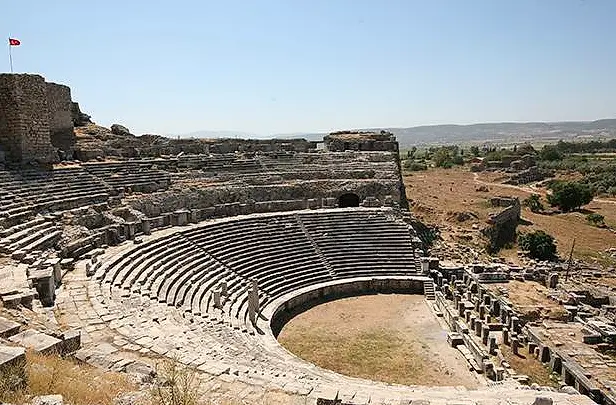
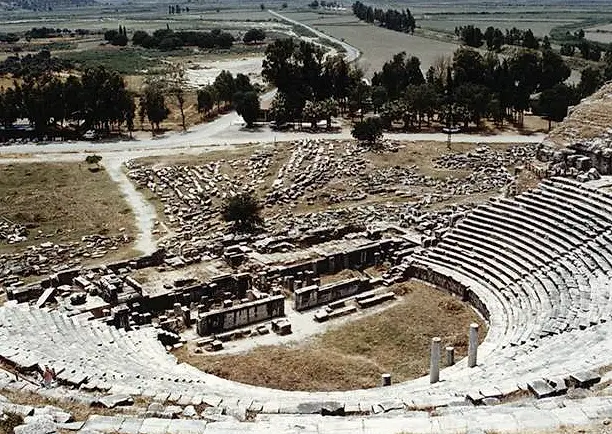
Once a busy Ionian harbour city, Miletus now lies among fields in Aydın, with its great theatre, bath ruins and the Lion Harbour monument still to walk through.
Miletus was one of the great cities of the Ionian coast. In the Archaic age it had a busy harbour and served as capital of the Ionian Confederation. Ancient tradition, retold by Pausanias, gives it colourful founding stories, involving Cretan settlers and an Athenian prince, though none of them can be proved.
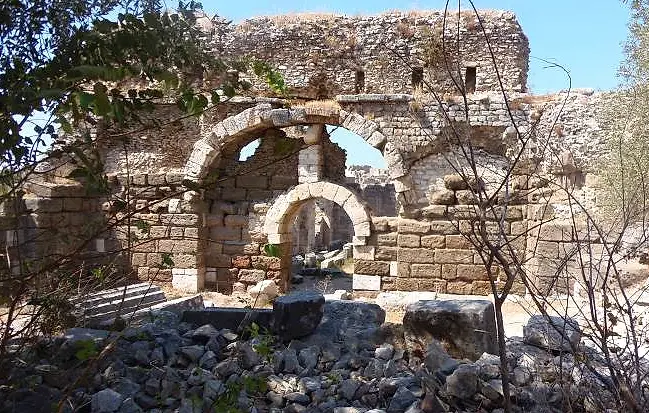
After the Persians overran the Archaic acropolis in 494 BC, a Hellenistic city grew up around the Lion Harbour and the theatre. The Romans kept its size and layout but filled it with monumental buildings: the Faustina Bath, the Capito Bath, the theatre, the harbour gate and the Lion Harbour monument, the gymnasium, agora gates, a stadium and warehouses.
Then the Great Menderes River silted up the harbour, and the city slowly lost its reason to exist. After the 6th century it became a bishopric and shrank to the area around the theatre and castle. Later it passed to the Menteşe emirs, was renamed Palatia and eventually became the village of Balat, which survived until the earthquake of 1955. Walking the site today, you can read this whole story in the stones.
According to the Ministry’s listing it opens at 08:30 and closes at 20:00 (last entry 18:30). Open every day.
No. This site sells no tickets. Topkapı Palace, the Basilica Cistern, Hagia Sophia and Dolmabahçe Palace are sold on our sister sites; for Miletus Archaeological Site, buy at the ticket office or on the Ministry’s official e-ticket system.
Miletus Archaeological Site is in Aydın, Türkiye — Balat mahallesi milet sok.no:23.
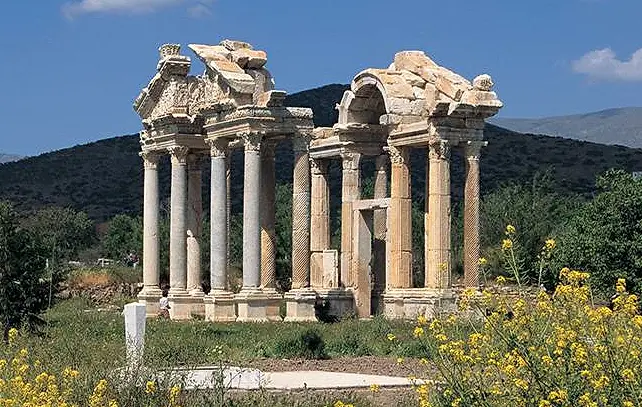
A UNESCO-listed Roman city devoted to Aphrodite, famous for its marble sculpture school, huge stadium and a museum right at the entrance.
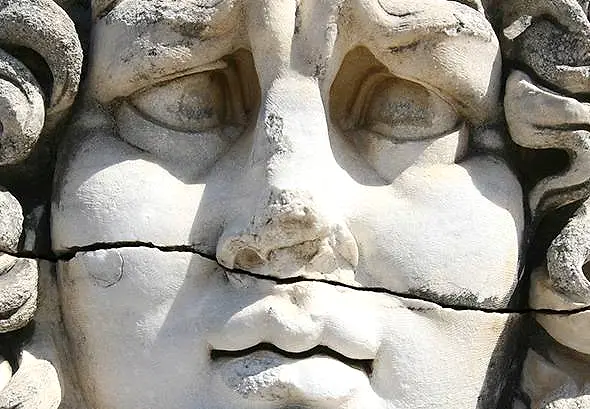
One of the largest Ionic temples of the ancient world, an oracle sanctuary of Apollo at Didyma with forests of columns and a Medusa-head guardian.
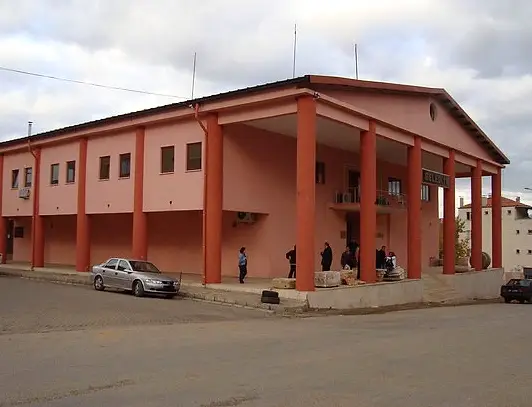
A small ethnography museum in Karacasu, Aydın, showing objects from the recent past of the town and region, including traditional crafts.
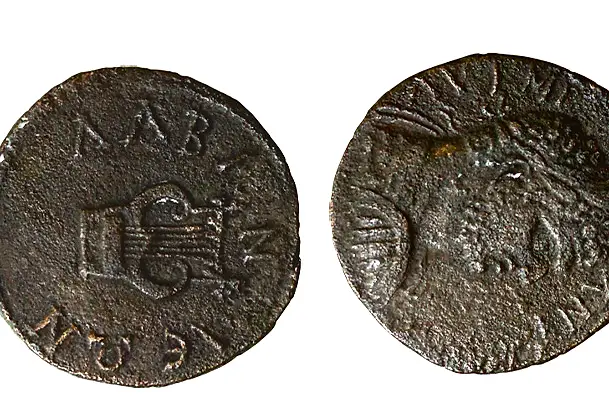
A Carian city near Çine in Aydın, famed in antiquity for its wealth, with remains of a theatre, aqueduct, council house and necropolis.
Four Istanbul landmarks, each sold on its own site by the agency behind this guide — dated entry and free cancellation up to 24 hours.
The sultans’ palace on Sarayburnu: courtyards, the Imperial Council, the treasury and the terraces over the water. Dated entry, sold online on its own site.
Justinian’s great underground reservoir: 336 columns in still water and the two Medusa heads. Fast-track entry with a digital audio guide.
Justinian’s cathedral, the sultans’ mosque and a working mosque again today. The ticket admits you to the upper visitor gallery.
A nineteenth-century palace on the water’s edge: the Selamlık, the Ceremonial Hall under its chandelier, the crystal staircase and the Harem.


