
Topkapı Palace
The sultans’ palace on Sarayburnu: courtyards, the Imperial Council, the treasury and the terraces over the water. Dated entry, sold online on its own site.
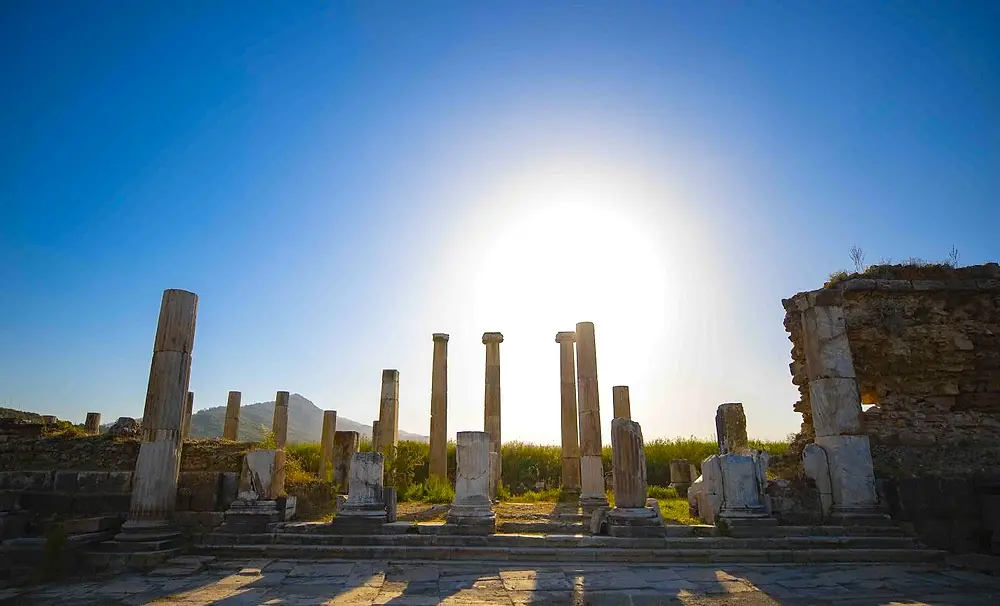
The ancient city of Magnesia on the Meander in Aydın, refounded in 400 BC beside a great temple of Artemis and preserved under river silt.
Magnesia ad Maeandrum lies in the province of Aydın, in Tekin village near Ortaklar on the road to Söke. According to legend and ancient writers, it was founded by the Magnetes, a people from Thessaly, who landed on the shore of what was then a bay, following an oracle of Apollo and their leader Leukippos. The earliest Magnesia stood by the Meander river, but its exact position is unknown.
Around 400 BC, after the river's shifting bed brought epidemics and the threat of the Persians called for a safer site, the Magnetes refounded the city at its present location beside the Gümüşçay stream, on the site of the Temple of Artemis Leukophryene. It passed to the Seleucids and then to the Pergamon kingdom, remained important under Rome and became a bishopric in Byzantine times.
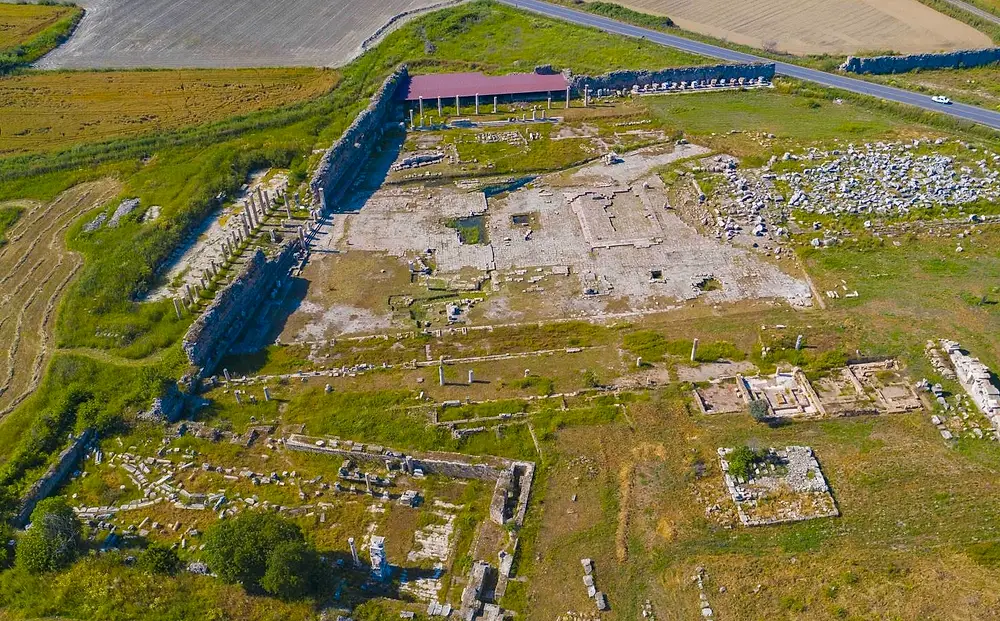
Magnesia was a walled city of about 1.5 kilometres across, laid out on a grid of streets, and it held a strong commercial and strategic position between Priene, Ephesus and Tralleis. It suffered little destruction, partly because floods and rainwater from the mountain covered it with a protective layer of silt. That is why this is such a promising site for archaeology.
According to the Ministry’s listing it opens at 08:30 and closes at 17:30 (last entry 17:00). Open every day.
No. This site sells no tickets. Topkapı Palace, the Basilica Cistern, Hagia Sophia and Dolmabahçe Palace are sold on our sister sites; for Magnesia Archaeological Site, buy at the ticket office or on the Ministry’s official e-ticket system.
Magnesia Archaeological Site is in Aydın, Türkiye — Ortaklar Beldesi, Tekin Köyü.
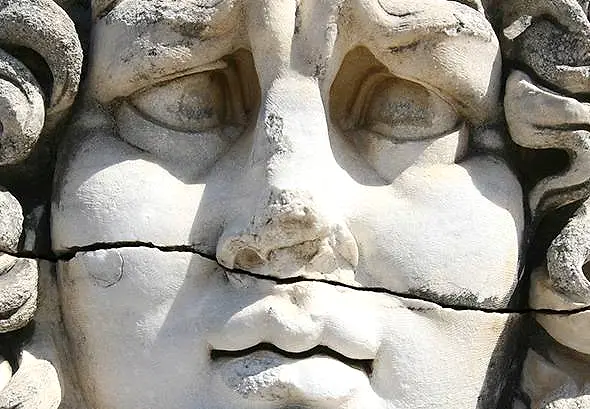
One of the largest Ionic temples of the ancient world, an oracle sanctuary of Apollo at Didyma with forests of columns and a Medusa-head guardian.
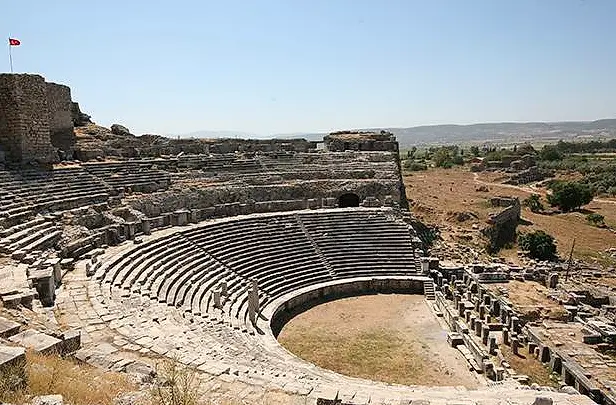
Once a busy Ionian harbour city, Miletus now lies among fields in Aydın, with its great theatre, bath ruins and the Lion Harbour monument still to walk through.
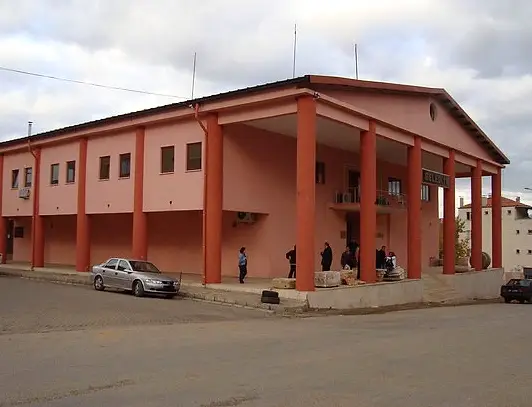
A small ethnography museum in Karacasu, Aydın, showing objects from the recent past of the town and region, including traditional crafts.
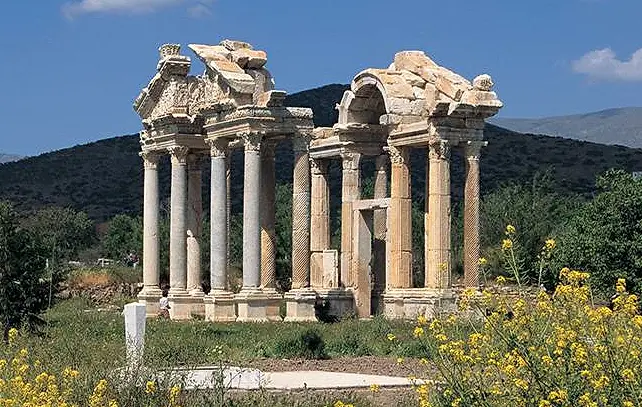
A UNESCO-listed Roman city devoted to Aphrodite, famous for its marble sculpture school, huge stadium and a museum right at the entrance.
Four Istanbul landmarks, each sold on its own site by the agency behind this guide — dated entry and free cancellation up to 24 hours.
The sultans’ palace on Sarayburnu: courtyards, the Imperial Council, the treasury and the terraces over the water. Dated entry, sold online on its own site.
Justinian’s great underground reservoir: 336 columns in still water and the two Medusa heads. Fast-track entry with a digital audio guide.
Justinian’s cathedral, the sultans’ mosque and a working mosque again today. The ticket admits you to the upper visitor gallery.
A nineteenth-century palace on the water’s edge: the Selamlık, the Ceremonial Hall under its chandelier, the crystal staircase and the Harem.


