
Topkapı Palace
The sultans’ palace on Sarayburnu: courtyards, the Imperial Council, the treasury and the terraces over the water. Dated entry, sold online on its own site.
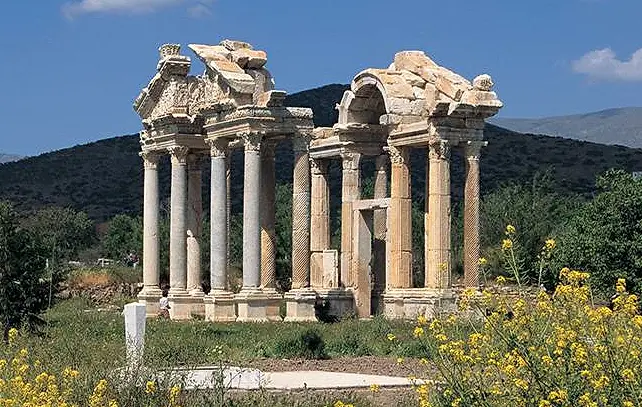
A UNESCO-listed Roman city devoted to Aphrodite, famous for its marble sculpture school, huge stadium and a museum right at the entrance.
Aphrodisias was dedicated to Aphrodite, goddess of love and beauty, and it keeps its monuments in remarkable condition. It joined the UNESCO World Heritage List in 2017. Excavations directed by archaeologist Kenan Erim between 1961 and 1990 brought most of it to light. In Roman times the city was known for the cult of its goddess, from which it took its name, and for a celebrated sculpture school that drew on rich local marble.
A prehistoric settlement stood here long before the city, which was founded in the 6th century BC as a small village with the first temple of Aphrodite. In the 2nd century BC it was replanned on a grid, and in the 1st century BC it came under the protection of Augustus, gaining monuments that still stand. By the late 3rd century AD it was one of the great cities of Roman Caria, then lost importance from the 6th century and was abandoned by the 12th.
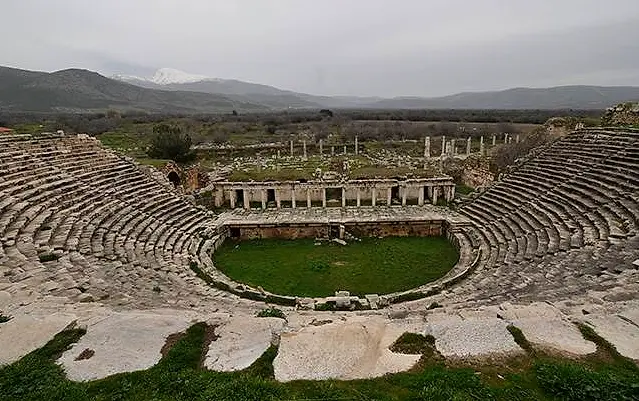
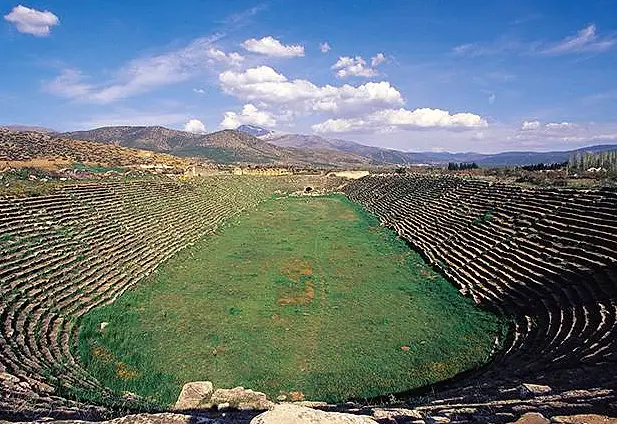
Highlights include what is considered the best-preserved stadium of the ancient world, about 270 metres long with seating for some 30,000 people, plus the monumental temple gate and the white-marble theatre for about seven thousand. The Temple of Aphrodite was turned into a church around AD 500. The museum at the entrance shows finds from the excavations, above all its rich sculpture collection.
According to the Ministry’s listing it opens at 08:30 and closes at 19:00 (last entry 18:30). Open every day.
No. This site sells no tickets. Topkapı Palace, the Basilica Cistern, Hagia Sophia and Dolmabahçe Palace are sold on our sister sites; for Aphrodisias Museum and Archaeological Site, buy at the ticket office or on the Ministry’s official e-ticket system.
Aphrodisias Museum and Archaeological Site is in Aydın, Türkiye — Geyre Beldesi Kenan Erim Caddesi No:4.
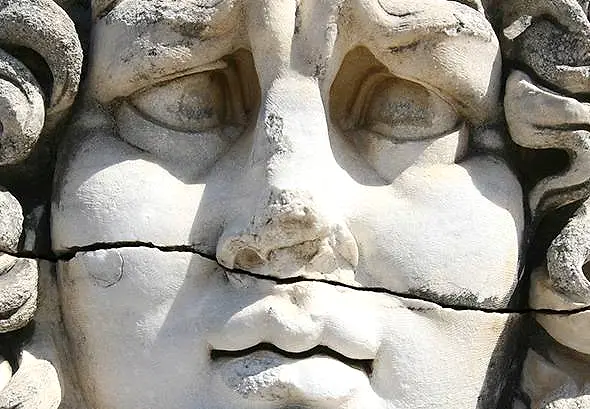
One of the largest Ionic temples of the ancient world, an oracle sanctuary of Apollo at Didyma with forests of columns and a Medusa-head guardian.
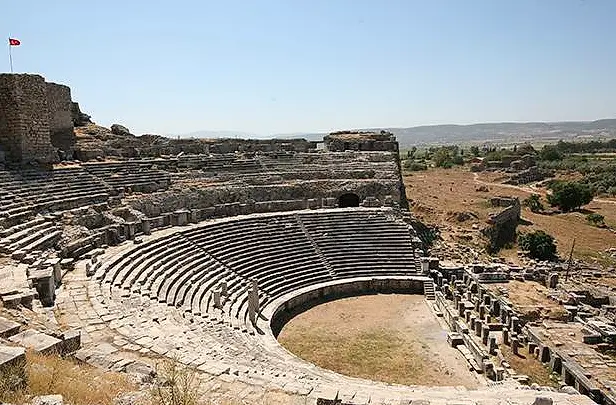
Once a busy Ionian harbour city, Miletus now lies among fields in Aydın, with its great theatre, bath ruins and the Lion Harbour monument still to walk through.
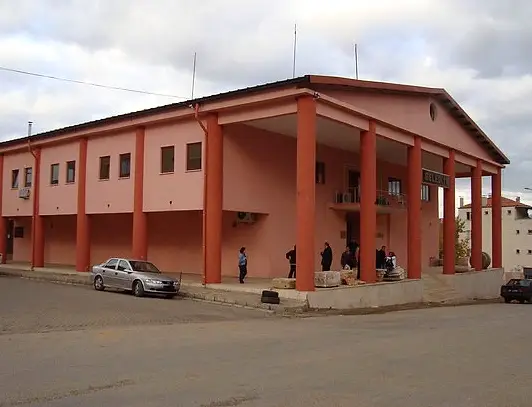
A small ethnography museum in Karacasu, Aydın, showing objects from the recent past of the town and region, including traditional crafts.
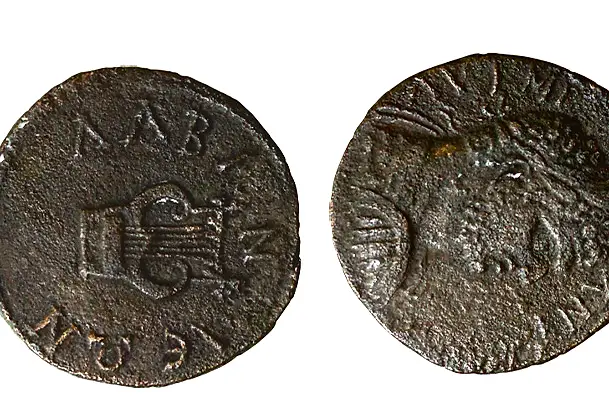
A Carian city near Çine in Aydın, famed in antiquity for its wealth, with remains of a theatre, aqueduct, council house and necropolis.
Four Istanbul landmarks, each sold on its own site by the agency behind this guide — dated entry and free cancellation up to 24 hours.
The sultans’ palace on Sarayburnu: courtyards, the Imperial Council, the treasury and the terraces over the water. Dated entry, sold online on its own site.
Justinian’s great underground reservoir: 336 columns in still water and the two Medusa heads. Fast-track entry with a digital audio guide.
Justinian’s cathedral, the sultans’ mosque and a working mosque again today. The ticket admits you to the upper visitor gallery.
A nineteenth-century palace on the water’s edge: the Selamlık, the Ceremonial Hall under its chandelier, the crystal staircase and the Harem.


