
Topkapı Palace
The sultans’ palace on Sarayburnu: courtyards, the Imperial Council, the treasury and the terraces over the water. Dated entry, sold online on its own site.
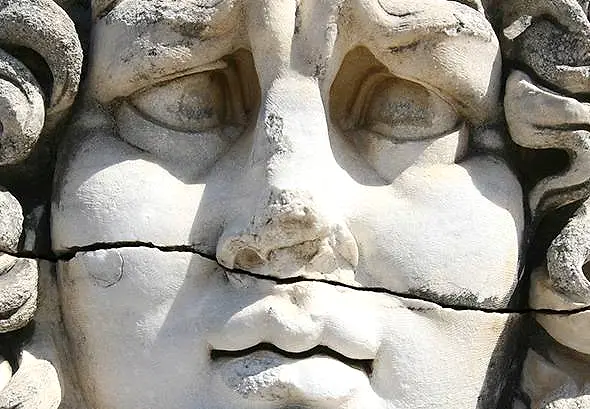
One of the largest Ionic temples of the ancient world, an oracle sanctuary of Apollo at Didyma with forests of columns and a Medusa-head guardian.
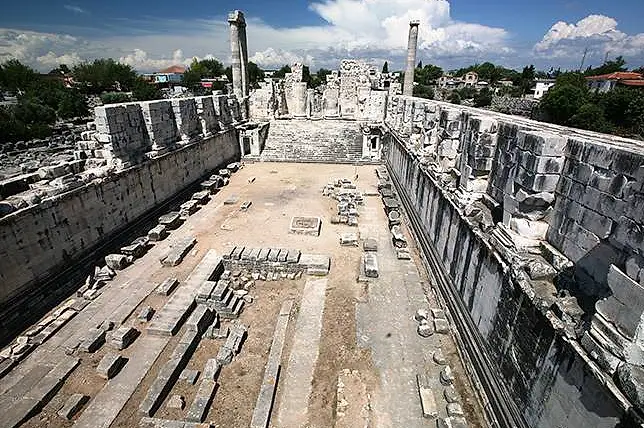
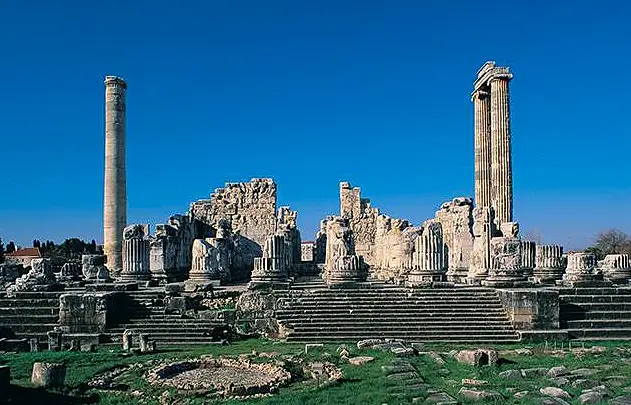
The Temple of Apollo at Didyma is counted among the best-preserved temples of the ancient world and is the third largest Ionic temple ever built. Scientific excavations between 1906 and 1913 brought it fully to light, and parts of it have been raised again. A protective wall around the site and some rebuilt architectural elements date to that first campaign.
Its plan is dipteral, with a double row of columns around the outside. The one non-canonical element is the open inner courtyard, which has no stone paving. This courtyard held a sacred spring and a small shrine (naiskos), for the temple's special role was that of an oracle. Construction began in the fourth century BC and the building was never completed. An earlier temple from the sixth century BC, famous in its time, was destroyed by the Persians in the early fifth century BC, and its foundations can still be seen in the courtyard. Later the naiskos gave way to a Christian basilica, and an earthquake ruined both.
Look out for the carved Medusa. The only mortal of the three Gorgon sisters, she was thought to turn onlookers to stone, so the Greeks put her head on shields, temples and armour as a protector. Here she guards the temple.
According to the Ministry’s listing it opens at 08:30 and closes at 18:45. Open every day.
No. This site sells no tickets. Topkapı Palace, the Basilica Cistern, Hagia Sophia and Dolmabahçe Palace are sold on our sister sites; for Didim Temple of Apollo, buy at the ticket office or on the Ministry’s official e-ticket system.
Didim Temple of Apollo is in Aydın, Türkiye — Yoran Küme evleri hisar mah.apollon tapınağı.
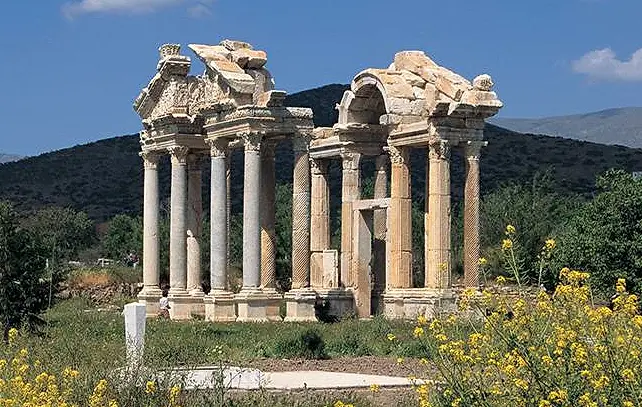
A UNESCO-listed Roman city devoted to Aphrodite, famous for its marble sculpture school, huge stadium and a museum right at the entrance.
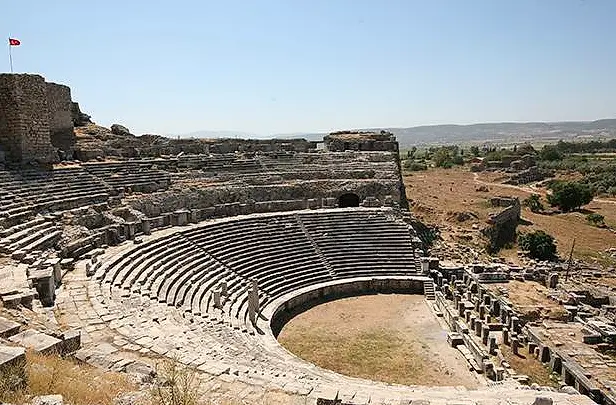
Once a busy Ionian harbour city, Miletus now lies among fields in Aydın, with its great theatre, bath ruins and the Lion Harbour monument still to walk through.
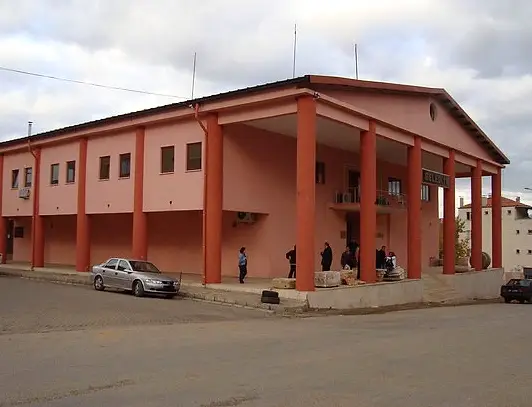
A small ethnography museum in Karacasu, Aydın, showing objects from the recent past of the town and region, including traditional crafts.
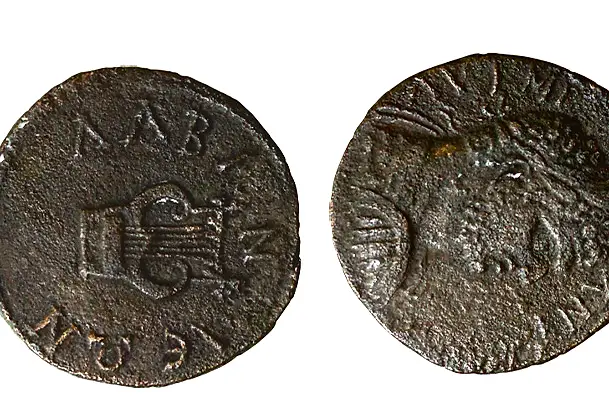
A Carian city near Çine in Aydın, famed in antiquity for its wealth, with remains of a theatre, aqueduct, council house and necropolis.
Four Istanbul landmarks, each sold on its own site by the agency behind this guide — dated entry and free cancellation up to 24 hours.
The sultans’ palace on Sarayburnu: courtyards, the Imperial Council, the treasury and the terraces over the water. Dated entry, sold online on its own site.
Justinian’s great underground reservoir: 336 columns in still water and the two Medusa heads. Fast-track entry with a digital audio guide.
Justinian’s cathedral, the sultans’ mosque and a working mosque again today. The ticket admits you to the upper visitor gallery.
A nineteenth-century palace on the water’s edge: the Selamlık, the Ceremonial Hall under its chandelier, the crystal staircase and the Harem.


