
Topkapı Palace
The sultans’ palace on Sarayburnu: courtyards, the Imperial Council, the treasury and the terraces over the water. Dated entry, sold online on its own site.
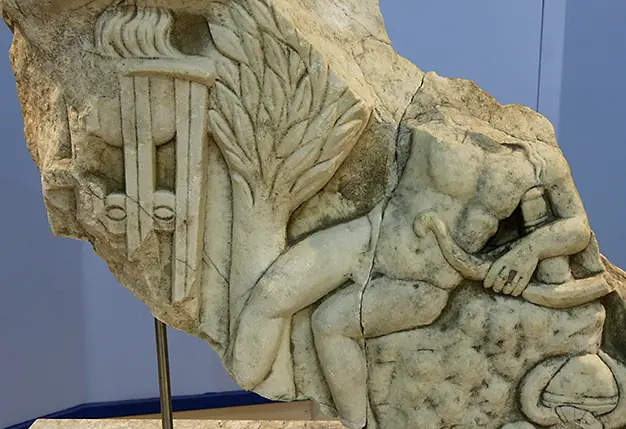
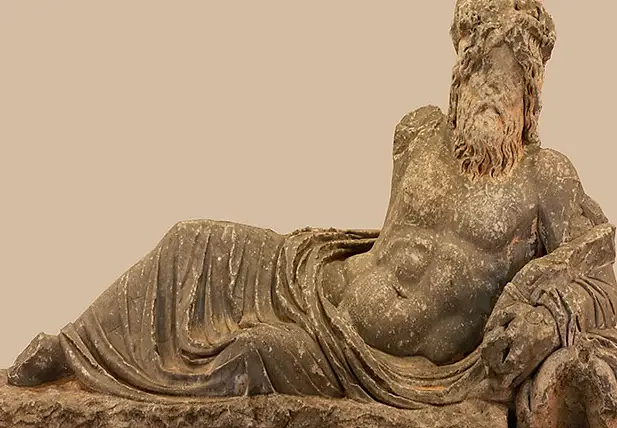
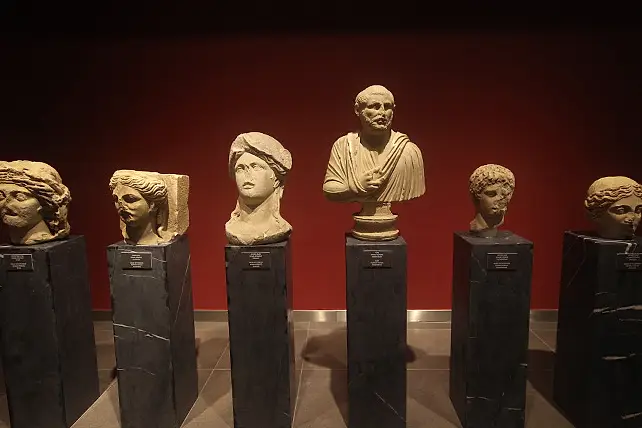
A small museum next to the ruins of Miletus in Aydın, showing what the Ionian city was and how it faded once its harbour silted up.
Miletus has been settled since early prehistory. After the Mycenaean and Achaean colonies, the city passed through the Archaic, Classical, Hellenistic, Roman and Byzantine periods, then the Menteşe principality and the Ottoman era, and the museum is the place to gather this long sequence into one picture.
In the Archaic age Miletus had a busy harbour and was capital of the Ionian Confederation. As the sea retreated and the harbour stopped working, the city lost its importance. In 1261 a Menteşe bey, Orhan, had coins struck in his own name here and the city was renamed Palatia; later it was known as Balat, and it remained a village until the earthquake of 1955.
Because this museum shares its ticket with the archaeological site next door, the two work best as one visit: the ruins show you the scale of the city, while the museum helps you understand the people who lived in it. Visiting the museum first is a good way to give the theatre and harbour more meaning.
According to the Ministry’s listing it opens at 09:00 and closes at 19:00 (last entry 18:30). Open every day.
No. This site sells no tickets. Topkapı Palace, the Basilica Cistern, Hagia Sophia and Dolmabahçe Palace are sold on our sister sites; for Miletus Museum, buy at the ticket office or on the Ministry’s official e-ticket system.
Miletus Museum is in Aydın, Türkiye — balat mahallesi milet sok.no:23.
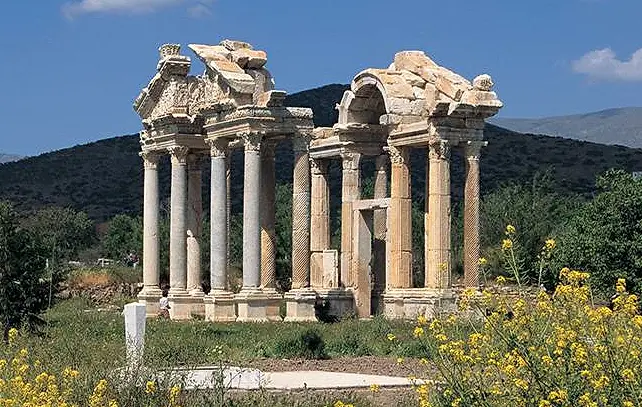
A UNESCO-listed Roman city devoted to Aphrodite, famous for its marble sculpture school, huge stadium and a museum right at the entrance.
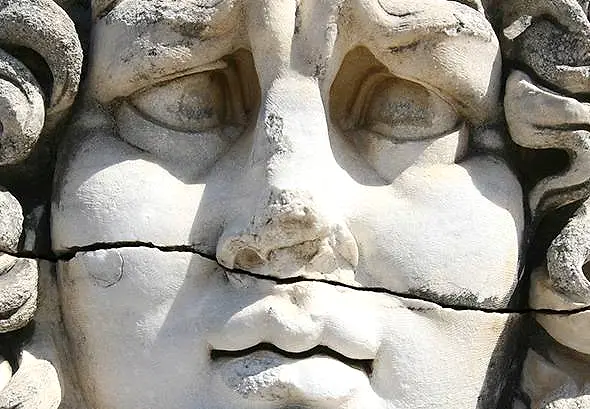
One of the largest Ionic temples of the ancient world, an oracle sanctuary of Apollo at Didyma with forests of columns and a Medusa-head guardian.
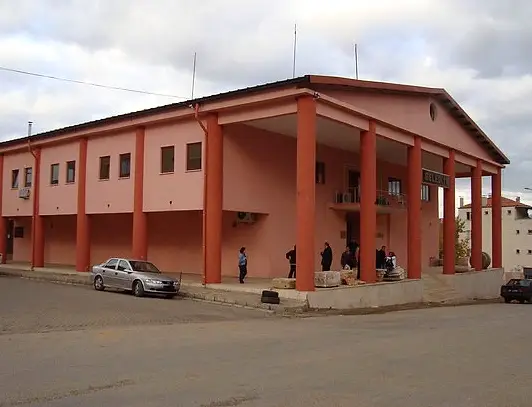
A small ethnography museum in Karacasu, Aydın, showing objects from the recent past of the town and region, including traditional crafts.
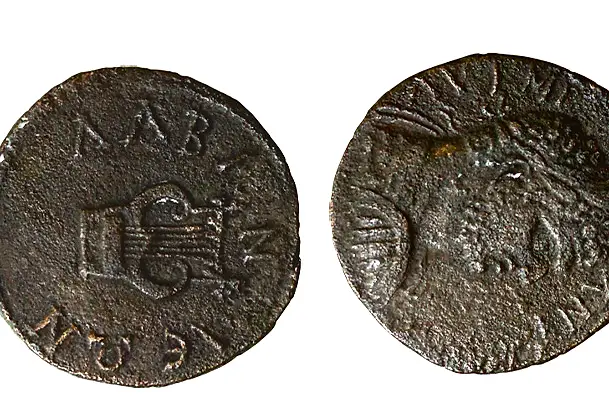
A Carian city near Çine in Aydın, famed in antiquity for its wealth, with remains of a theatre, aqueduct, council house and necropolis.
Four Istanbul landmarks, each sold on its own site by the agency behind this guide — dated entry and free cancellation up to 24 hours.
The sultans’ palace on Sarayburnu: courtyards, the Imperial Council, the treasury and the terraces over the water. Dated entry, sold online on its own site.
Justinian’s great underground reservoir: 336 columns in still water and the two Medusa heads. Fast-track entry with a digital audio guide.
Justinian’s cathedral, the sultans’ mosque and a working mosque again today. The ticket admits you to the upper visitor gallery.
A nineteenth-century palace on the water’s edge: the Selamlık, the Ceremonial Hall under its chandelier, the crystal staircase and the Harem.


