
Topkapı Palace
The sultans’ palace on Sarayburnu: courtyards, the Imperial Council, the treasury and the terraces over the water. Dated entry, sold online on its own site.
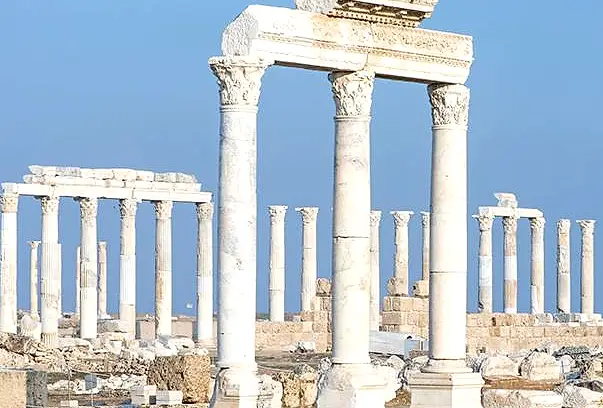
A large Hellenistic and Roman city near Pamukkale with Anatolia's biggest stadium, two theatres and a church counted among the Seven Churches of Revelation.
Founded on the south side of the Lykos River between 261 and 253 BC by Antiochos II, who named it after his wife Laodike, the city appears in ancient texts as Laodikeia on the Lykos. In Seljuk and Ottoman times it was still remembered as Ladik. It became fully Roman in 130 to 129 BC and, though repeatedly shaken by earthquakes and rebuilt, was finally abandoned after a great quake under Emperor Phokas in the early seventh century.
Excavations show continuous settlement from the Early Chalcolithic (about 5500 BC) to the seventh century AD. Cicero stayed here around 50 BC to handle legal business, when the Romans made it the centre of the Kibyra conventus, and coins minted under Caracalla show its prosperity. Its wealth came from trade at a crossroads, above all textiles, plus marble, grain and livestock. The city was laid out on a grid, spread across roughly five square kilometres.
Laodikeia mattered greatly to Christianity. It became a pilgrimage centre from the fourth century, and its church, one of the Seven Churches of Anatolia named in the Book of Revelation, was built under Constantine. Surviving remains include Anatolia's largest stadium, two theatres, four bath complexes, five agoras, five nymphaea, two main gates, a council building, temples, churches and a monumental street, all encircled by necropolis areas.
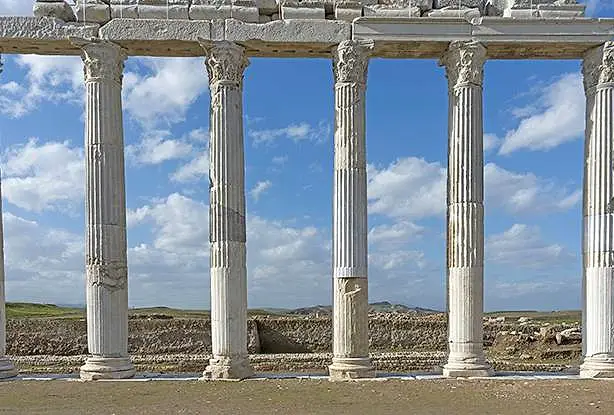
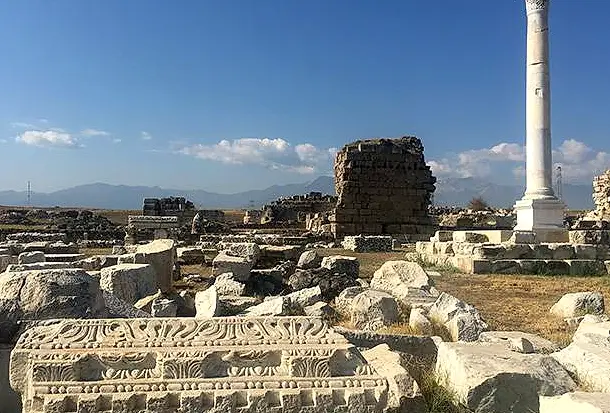
According to the Ministry’s listing it opens at 08:00 and closes at 21:30 (last entry 21:00). Open every day.
No. This site sells no tickets. Topkapı Palace, the Basilica Cistern, Hagia Sophia and Dolmabahçe Palace are sold on our sister sites; for Laodikeia Archaeological Site, buy at the ticket office or on the Ministry’s official e-ticket system.
Laodikeia Archaeological Site is in Denizli, Türkiye — Goncalı Mahallesi, 20000 Merkez/Pamukkale.
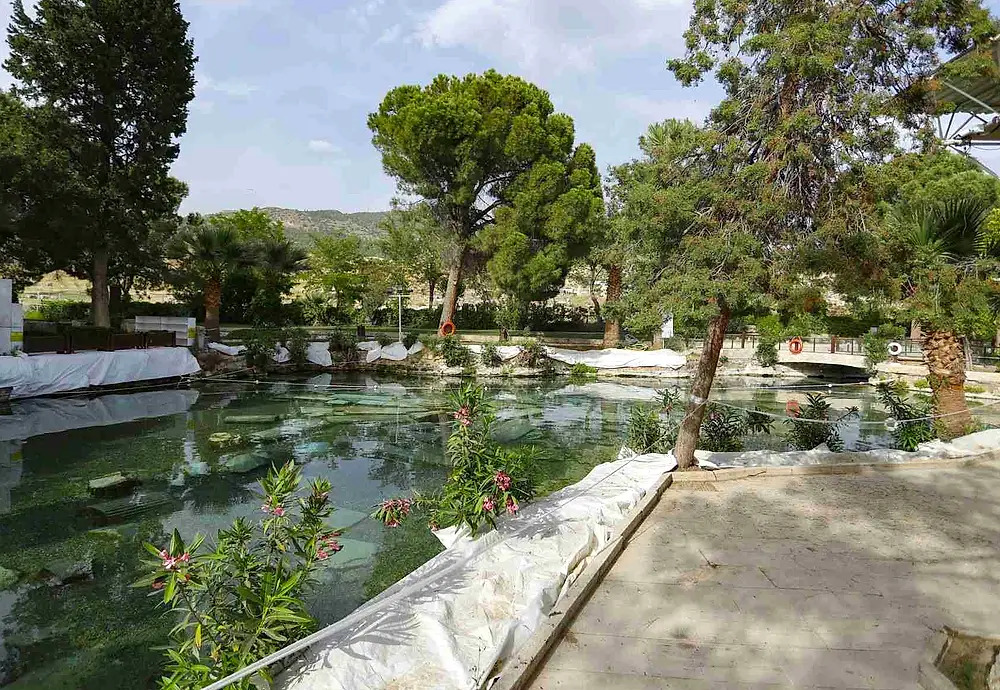
The ancient spa city of Hierapolis above Pamukkale's white travertine terraces, with a Roman grid plan, a Christian martyrium and centuries of earthquake rebuilding.
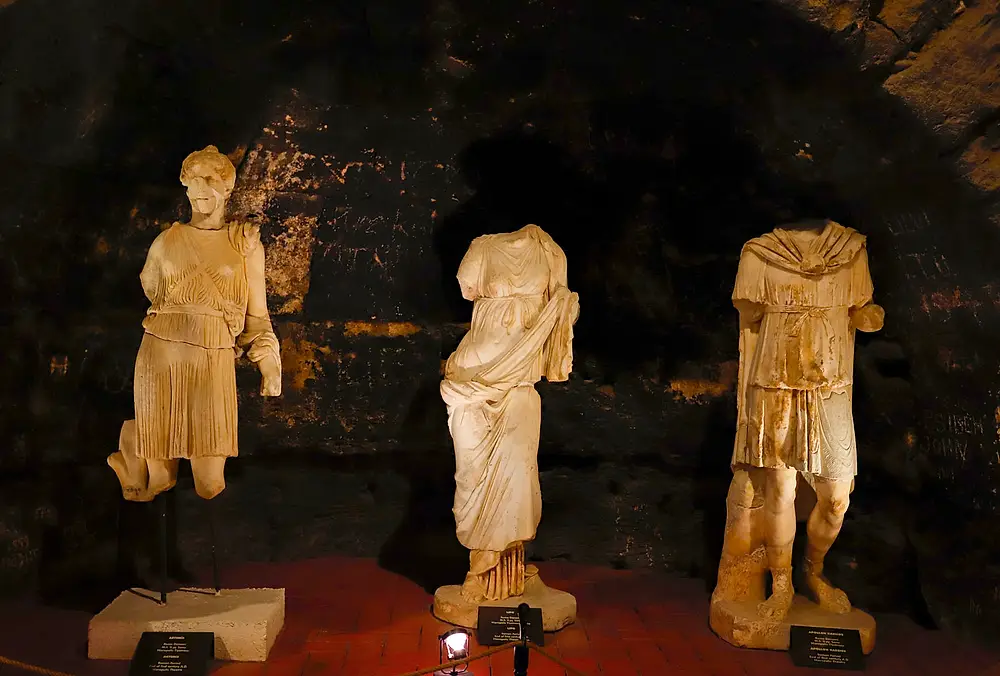
A museum inside Hierapolis's Roman baths, with sarcophagi, statues and reliefs from the ancient theatre, right beside the white travertines of Pamukkale.
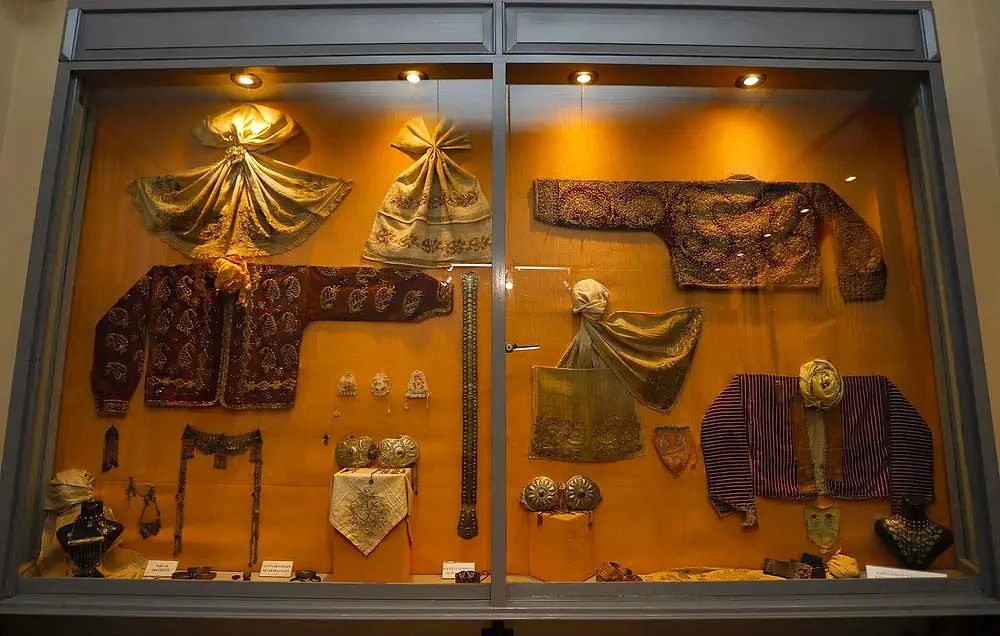
A late-Ottoman Chios-style house where Atatürk spent a night in 1931, now showing local ethnography and Atatürk memorabilia.
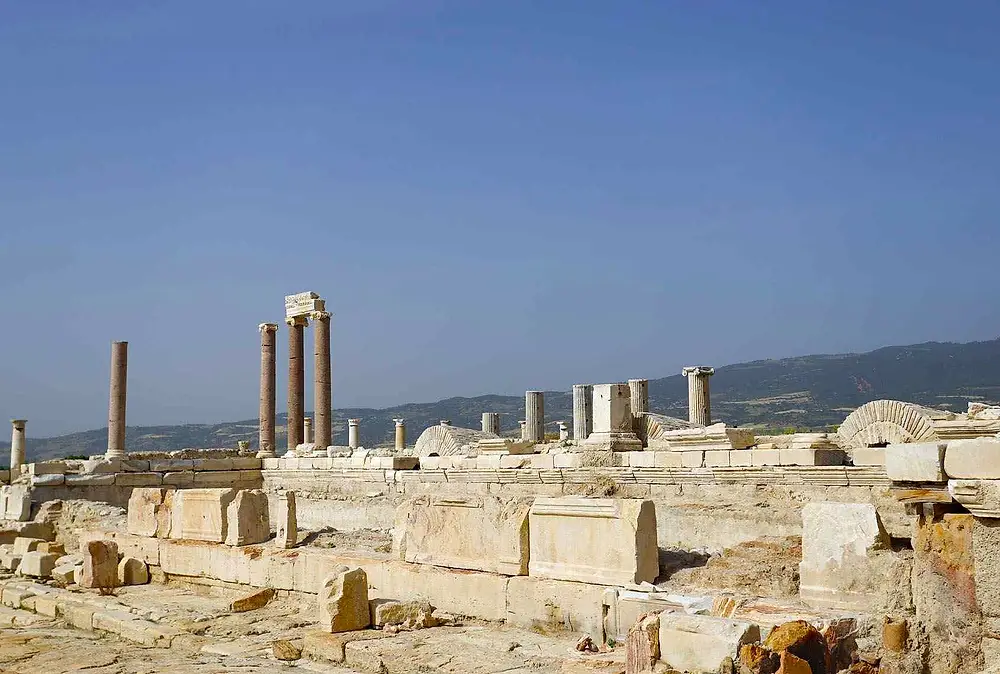
An ancient city on the trade road in the Lykos valley, still being excavated, with a colonnaded street, agora, church and monumental fountain.
Four Istanbul landmarks, each sold on its own site by the agency behind this guide — dated entry and free cancellation up to 24 hours.
The sultans’ palace on Sarayburnu: courtyards, the Imperial Council, the treasury and the terraces over the water. Dated entry, sold online on its own site.
Justinian’s great underground reservoir: 336 columns in still water and the two Medusa heads. Fast-track entry with a digital audio guide.
Justinian’s cathedral, the sultans’ mosque and a working mosque again today. The ticket admits you to the upper visitor gallery.
A nineteenth-century palace on the water’s edge: the Selamlık, the Ceremonial Hall under its chandelier, the crystal staircase and the Harem.


