
Topkapı Palace
The sultans’ palace on Sarayburnu: courtyards, the Imperial Council, the treasury and the terraces over the water. Dated entry, sold online on its own site.
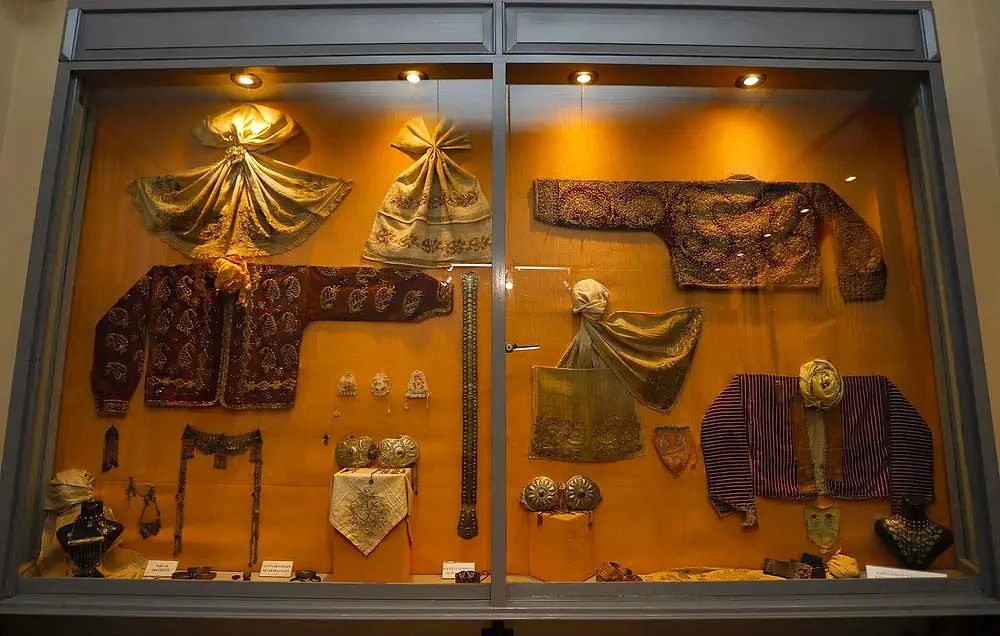
A late-Ottoman Chios-style house where Atatürk spent a night in 1931, now showing local ethnography and Atatürk memorabilia.
The building, probably from the late nineteenth century, is described as Chios (Sakız) style because of its facade, plan, window shapes and ornament. It has two floors, each arranged around a central hall with rooms opening off it. In the early Republic it served as a party headquarters, and on 4 February 1931 Atatürk was hosted here for a night on his visit to Denizli.
From the 1950s it was assigned to the Ministry of Health and worked for a time as a tuberculosis dispensary. Registered as a monument in 1977, it was repaired and re-displayed for the centenary of Atatürk's birth and opened as a museum on 1 February 1984. After renovation and a new display it reopened on 4 February 1999.
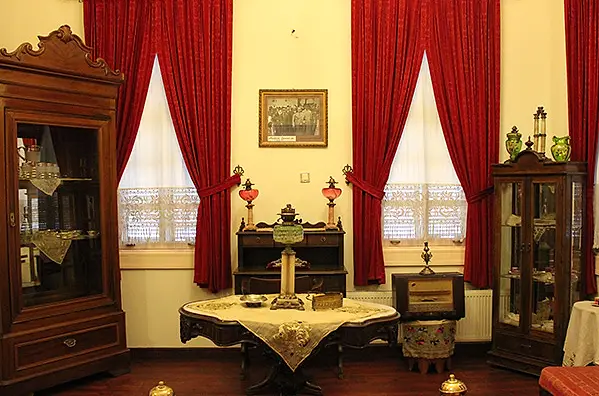
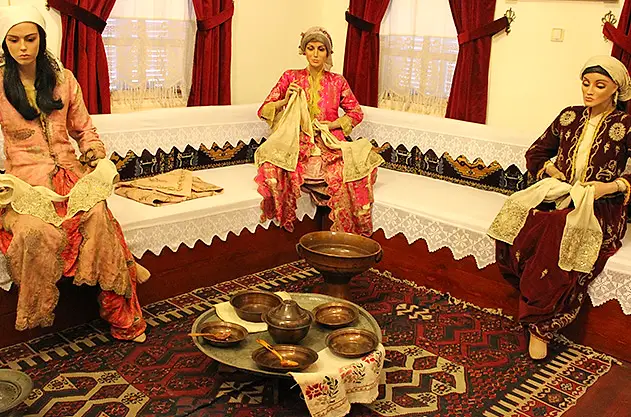
The ground floor shows ethnographic objects, while upstairs two rooms are devoted to Atatürk and the others are arranged as a traditional mansion. One notable item is a red satin flag with gold embroidery, dated to the Islamic year 1327, beneath which Mufti Ahmet Hulusi Efendi is said to have spoken at the rally protesting the occupation of İzmir.
According to the Ministry’s listing it opens at 08:30 and closes at 17:30 (last entry 17:00). Closed: Monday.
No. This site sells no tickets. Topkapı Palace, the Basilica Cistern, Hagia Sophia and Dolmabahçe Palace are sold on our sister sites; for Denizli Atatürk and Ethnography Museum, buy at the ticket office or on the Ministry’s official e-ticket system.
Denizli Atatürk and Ethnography Museum is in Denizli, Türkiye — Saraylar Mahallesi,. 459 Sokak, No:8.
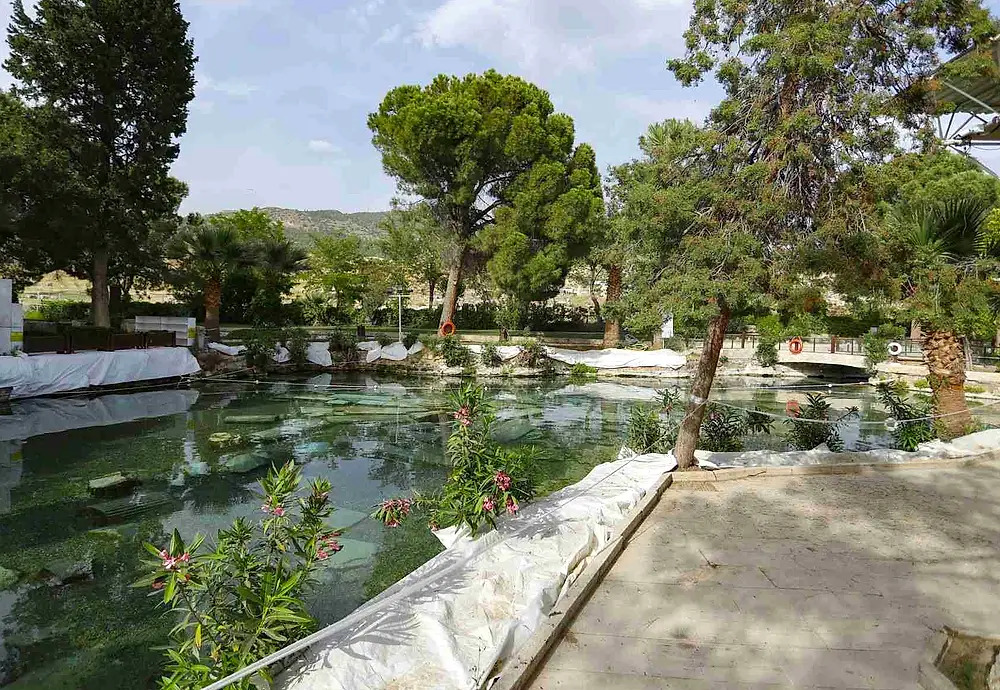
The ancient spa city of Hierapolis above Pamukkale's white travertine terraces, with a Roman grid plan, a Christian martyrium and centuries of earthquake rebuilding.
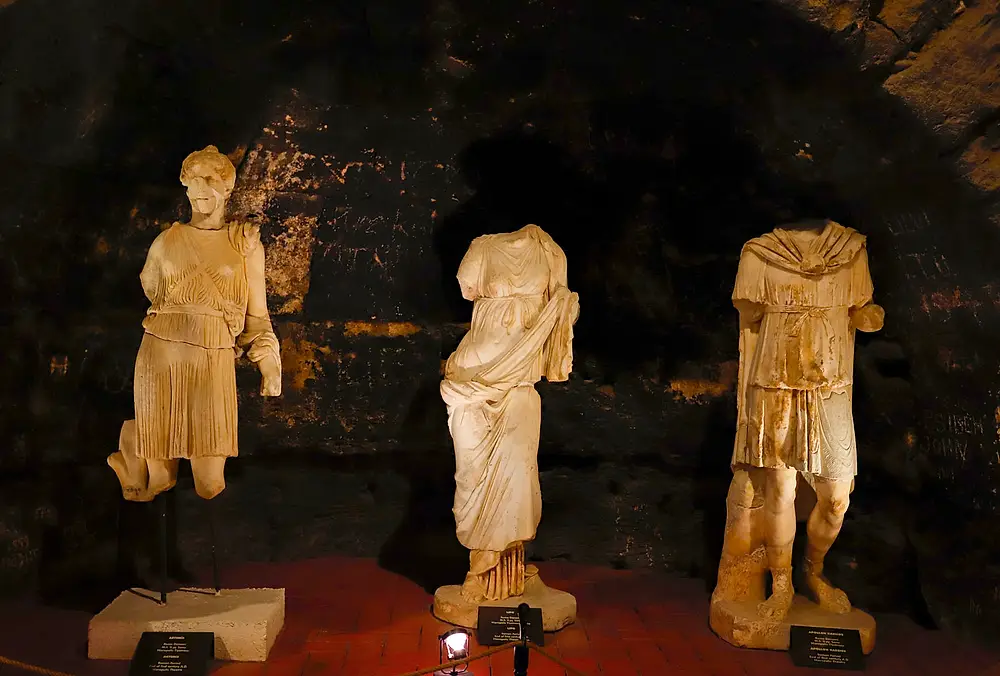
A museum inside Hierapolis's Roman baths, with sarcophagi, statues and reliefs from the ancient theatre, right beside the white travertines of Pamukkale.
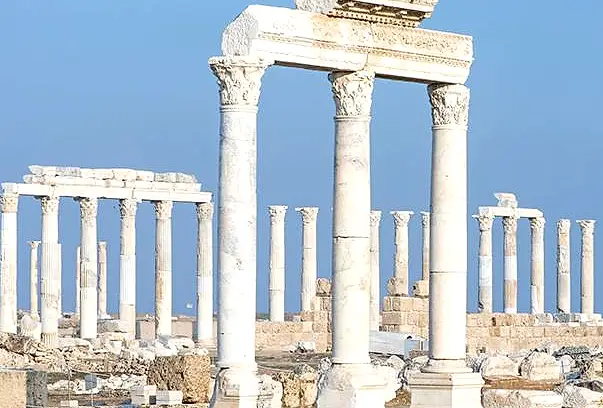
A large Hellenistic and Roman city near Pamukkale with Anatolia's biggest stadium, two theatres and a church counted among the Seven Churches of Revelation.
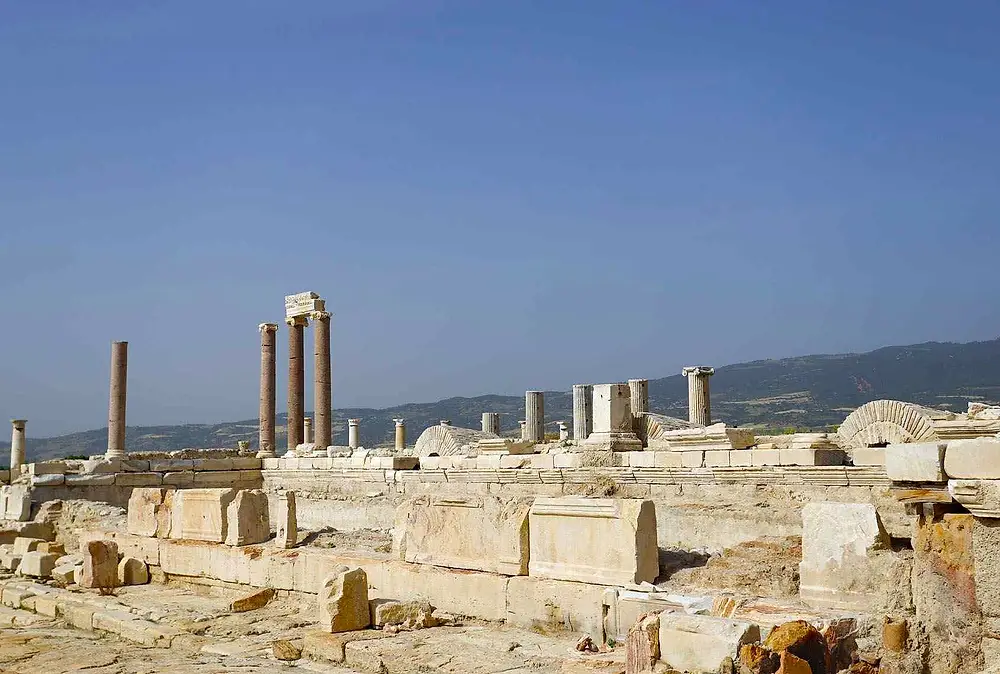
An ancient city on the trade road in the Lykos valley, still being excavated, with a colonnaded street, agora, church and monumental fountain.
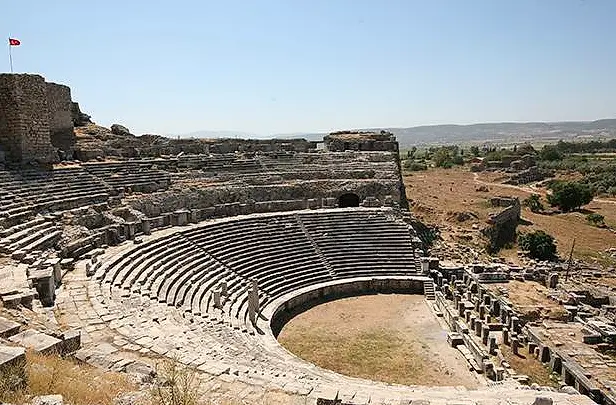
Once a busy Ionian harbour city, Miletus now lies among fields in Aydın, with its great theatre, bath ruins and the Lion Harbour monument still to walk through.
Four Istanbul landmarks, each sold on its own site by the agency behind this guide — dated entry and free cancellation up to 24 hours.
The sultans’ palace on Sarayburnu: courtyards, the Imperial Council, the treasury and the terraces over the water. Dated entry, sold online on its own site.
Justinian’s great underground reservoir: 336 columns in still water and the two Medusa heads. Fast-track entry with a digital audio guide.
Justinian’s cathedral, the sultans’ mosque and a working mosque again today. The ticket admits you to the upper visitor gallery.
A nineteenth-century palace on the water’s edge: the Selamlık, the Ceremonial Hall under its chandelier, the crystal staircase and the Harem.


