
Topkapı Palace
The sultans’ palace on Sarayburnu: courtyards, the Imperial Council, the treasury and the terraces over the water. Dated entry, sold online on its own site.
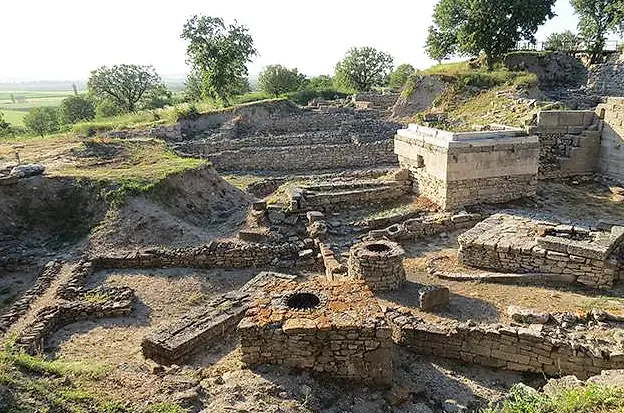
The famous ancient city of Troy, where nine stacked layers reveal over three thousand years of settlement between Anatolia, the Aegean and the Balkans.
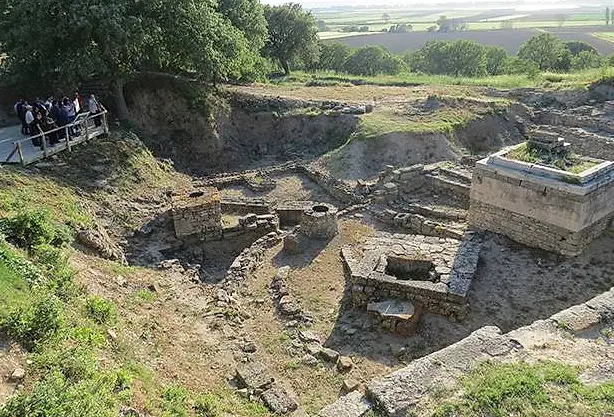
Troy is one of the most famous ancient cities in the world, and the legend of the Trojan War has kept its name alive in poetry for nearly three thousand years. On the ground, what you see is something different and just as remarkable: a hill formed by nine layers of settlement, one built over another, showing more than three thousand years of continuous occupation.
The earliest layer dates to the Early Bronze Age, around 3000 to 2500 BC, and later layers follow without a break until the Roman period. Because of its position where Anatolia, the Aegean and the Balkans meet, Troy always mattered for trade and cultural exchange, and its uninterrupted sequence of layers serves as a reference for other archaeological sites in Europe and the Aegean. The site is on UNESCO's World Heritage List, inscribed in 1998.
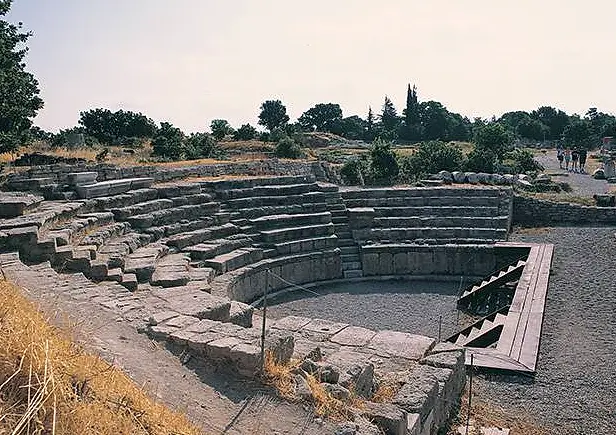
Excavations began in 1871 under Heinrich Schliemann and were carried on by W. Dörpfeld and C. W. Blegen; digging continues today. Walking the paths gives you the chance to compare layers from different eras in a single hill, and the Troy Museum at the entrance holds the finds that explain what you have seen.
According to the Ministry’s listing it opens at 08:30 and closes at 20:00 (last entry 19:30). Open every day.
No. This site sells no tickets. Topkapı Palace, the Basilica Cistern, Hagia Sophia and Dolmabahçe Palace are sold on our sister sites; for Troy Archaeological Site, buy at the ticket office or on the Ministry’s official e-ticket system.
Troy Archaeological Site is in Çanakkale, Türkiye — Tevfikiye Köyü.
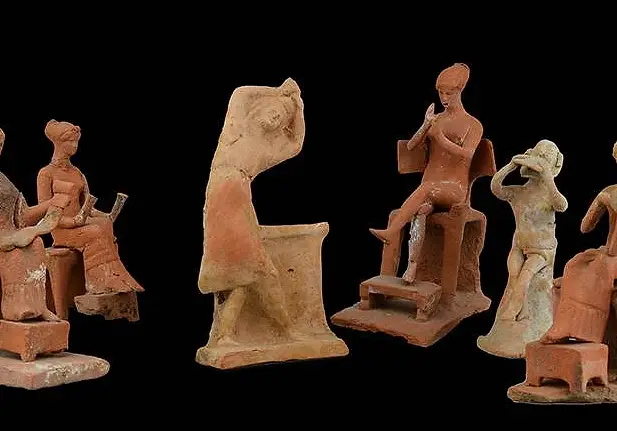
A modern museum at the entrance to the ancient site of Troy, telling the city's layered story through artefacts, dioramas and touch screens, with a sculpture garden.
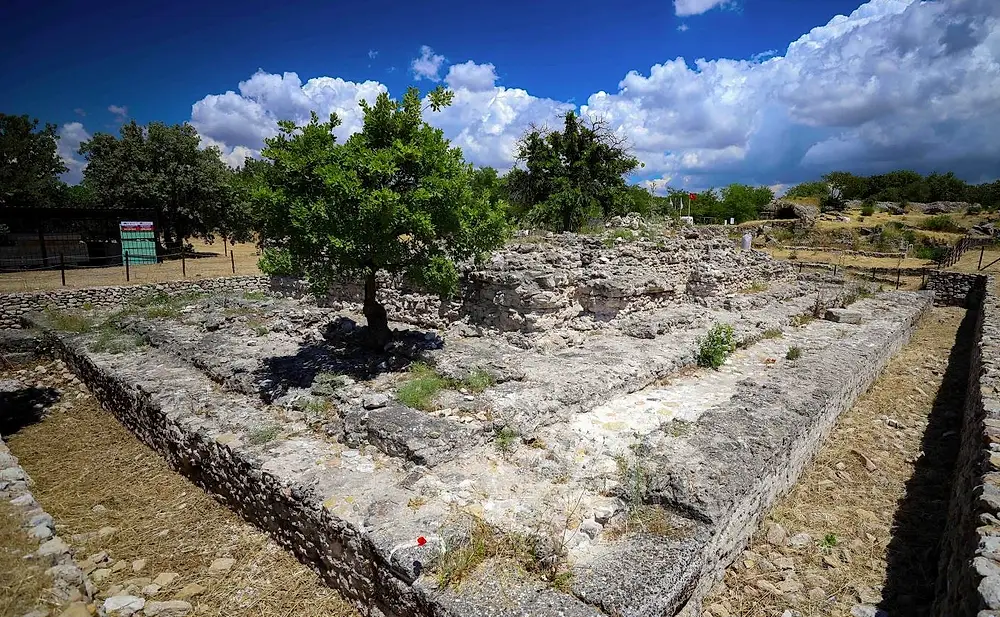
A huge planned city on the Aegean coast near Ezine, founded after Alexander the Great's death, with a vast gymnasium, stadium, theatre, baths and 8 km of walls.
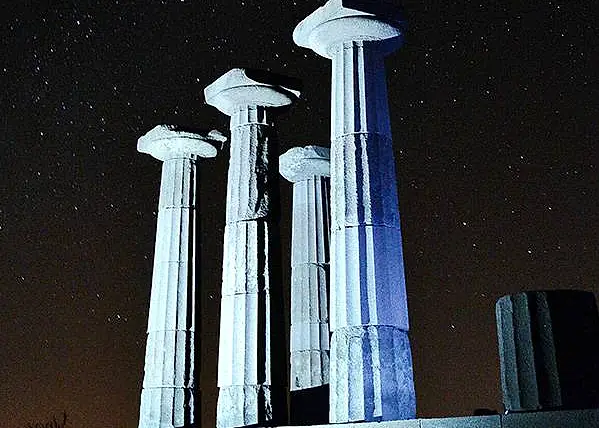
A hilltop ancient city with a Doric Temple of Athena, a Roman theatre and sea views, once home to Aristotle's school.
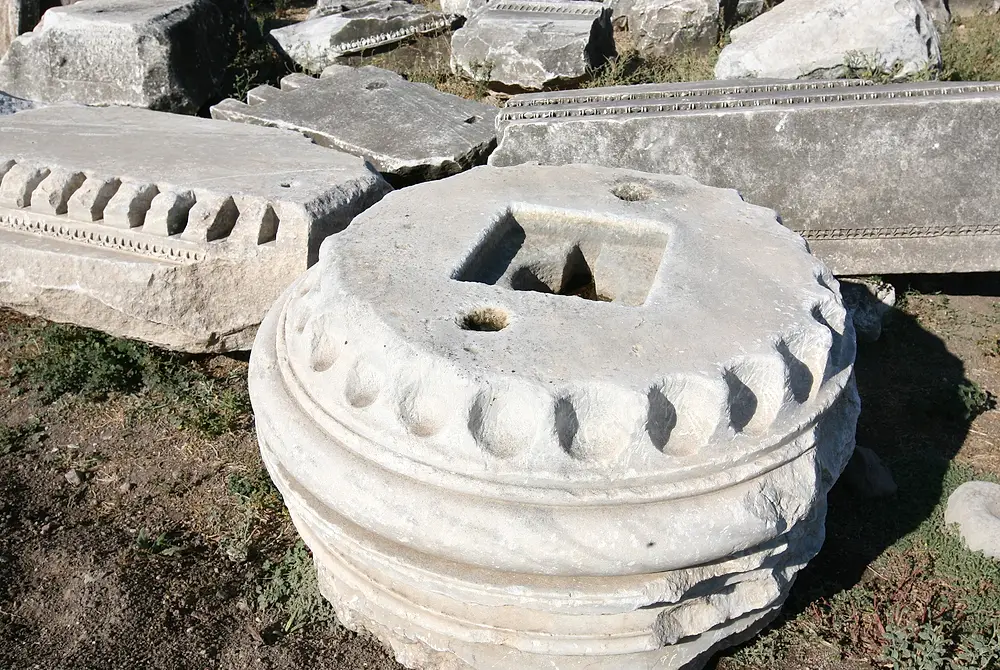
A Hellenistic sanctuary of Apollo near the Aegean coast of the Troad, home to an Ionic temple decorated with reliefs from Homer's Iliad.
Four Istanbul landmarks, each sold on its own site by the agency behind this guide — dated entry and free cancellation up to 24 hours.
The sultans’ palace on Sarayburnu: courtyards, the Imperial Council, the treasury and the terraces over the water. Dated entry, sold online on its own site.
Justinian’s great underground reservoir: 336 columns in still water and the two Medusa heads. Fast-track entry with a digital audio guide.
Justinian’s cathedral, the sultans’ mosque and a working mosque again today. The ticket admits you to the upper visitor gallery.
A nineteenth-century palace on the water’s edge: the Selamlık, the Ceremonial Hall under its chandelier, the crystal staircase and the Harem.


