
Topkapı Palace
The sultans’ palace on Sarayburnu: courtyards, the Imperial Council, the treasury and the terraces over the water. Dated entry, sold online on its own site.
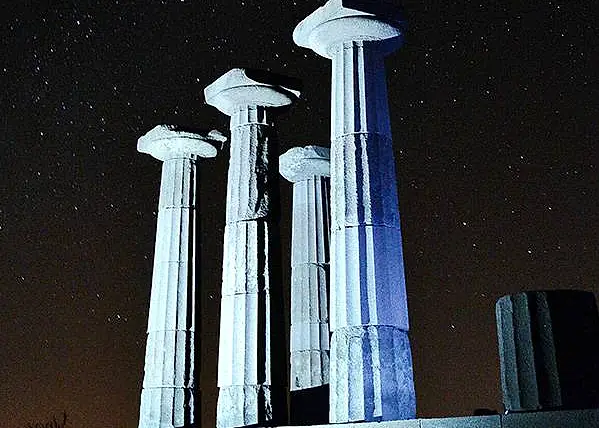
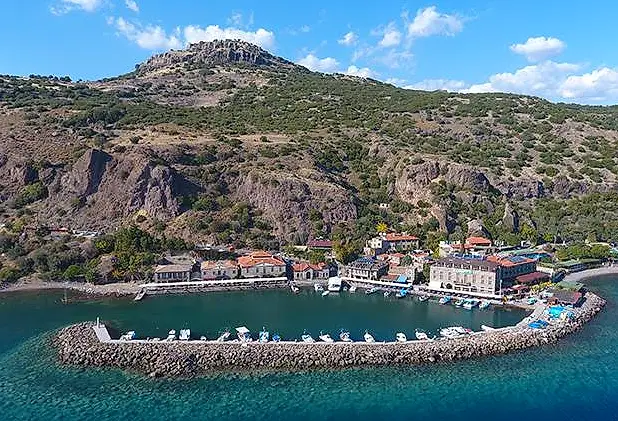
A hilltop ancient city with a Doric Temple of Athena, a Roman theatre and sea views, once home to Aristotle's school.
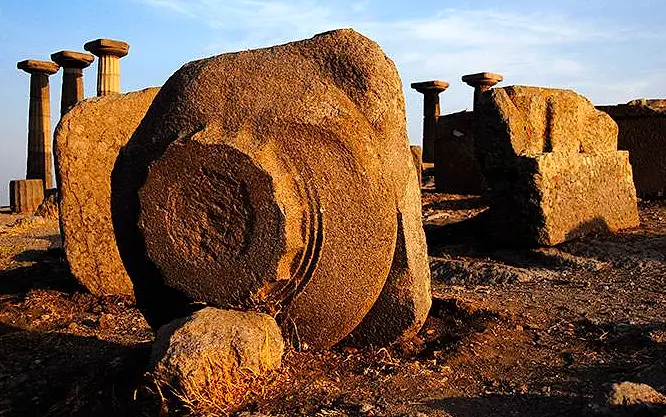
Assos was founded in the 6th century BC on an extinct volcanic hill. Its builders used andesite, a stone hard to work but extremely durable. The city was famous for its sarcophagi, known in antiquity as "flesh-eating" coffins because the stone was believed to reduce a body to dust quickly, and they were shipped to many parts of Anatolia.
Assos also earned a place in intellectual history: the philosopher Aristotle lived here for a time and founded a school of philosophy.
At the highest point of the city stands the Temple of Athena, named for the daughter of Zeus, one of the twelve Olympian gods and the city's protector. It is the first and only Doric temple built in Anatolia, and its view alone is worth the climb. Elsewhere on the site you can see the Roman theatre, the agora, the necropolis and the city walls.
According to the Ministry’s listing it opens at 08:30 and closes at 20:00 (last entry 19:30). Open every day.
No. This site sells no tickets. Topkapı Palace, the Basilica Cistern, Hagia Sophia and Dolmabahçe Palace are sold on our sister sites; for Assos Archaeological Site, buy at the ticket office or on the Ministry’s official e-ticket system.
Assos Archaeological Site is in Çanakkale, Türkiye — Behramkale Köyü.
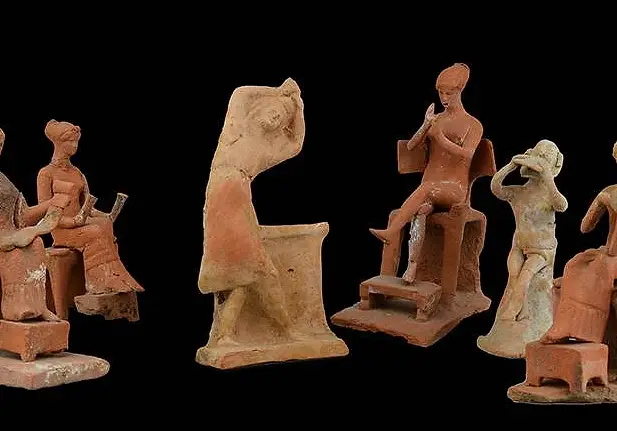
A modern museum at the entrance to the ancient site of Troy, telling the city's layered story through artefacts, dioramas and touch screens, with a sculpture garden.
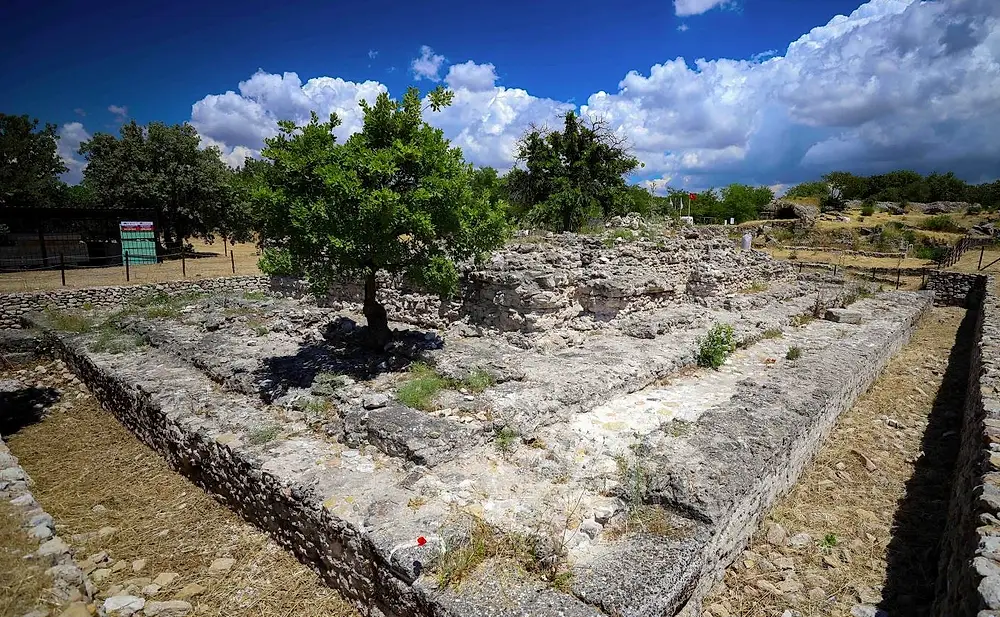
A huge planned city on the Aegean coast near Ezine, founded after Alexander the Great's death, with a vast gymnasium, stadium, theatre, baths and 8 km of walls.
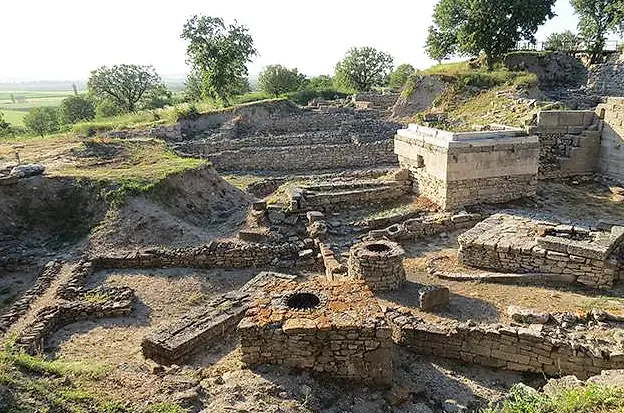
The famous ancient city of Troy, where nine stacked layers reveal over three thousand years of settlement between Anatolia, the Aegean and the Balkans.
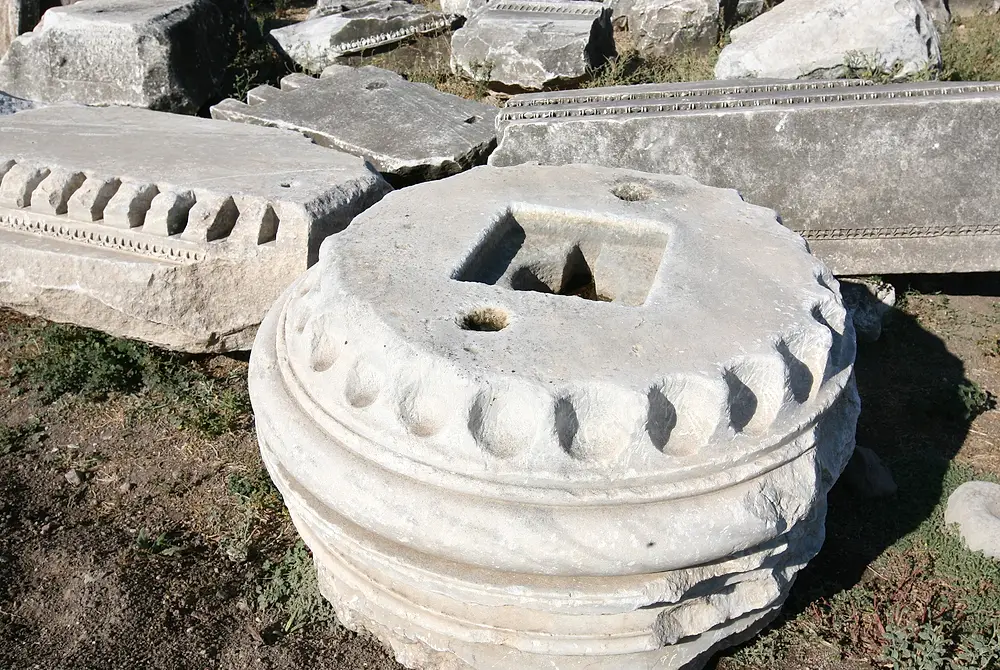
A Hellenistic sanctuary of Apollo near the Aegean coast of the Troad, home to an Ionic temple decorated with reliefs from Homer's Iliad.
Four Istanbul landmarks, each sold on its own site by the agency behind this guide — dated entry and free cancellation up to 24 hours.
The sultans’ palace on Sarayburnu: courtyards, the Imperial Council, the treasury and the terraces over the water. Dated entry, sold online on its own site.
Justinian’s great underground reservoir: 336 columns in still water and the two Medusa heads. Fast-track entry with a digital audio guide.
Justinian’s cathedral, the sultans’ mosque and a working mosque again today. The ticket admits you to the upper visitor gallery.
A nineteenth-century palace on the water’s edge: the Selamlık, the Ceremonial Hall under its chandelier, the crystal staircase and the Harem.


