
Topkapı Palace
The sultans’ palace on Sarayburnu: courtyards, the Imperial Council, the treasury and the terraces over the water. Dated entry, sold online on its own site.
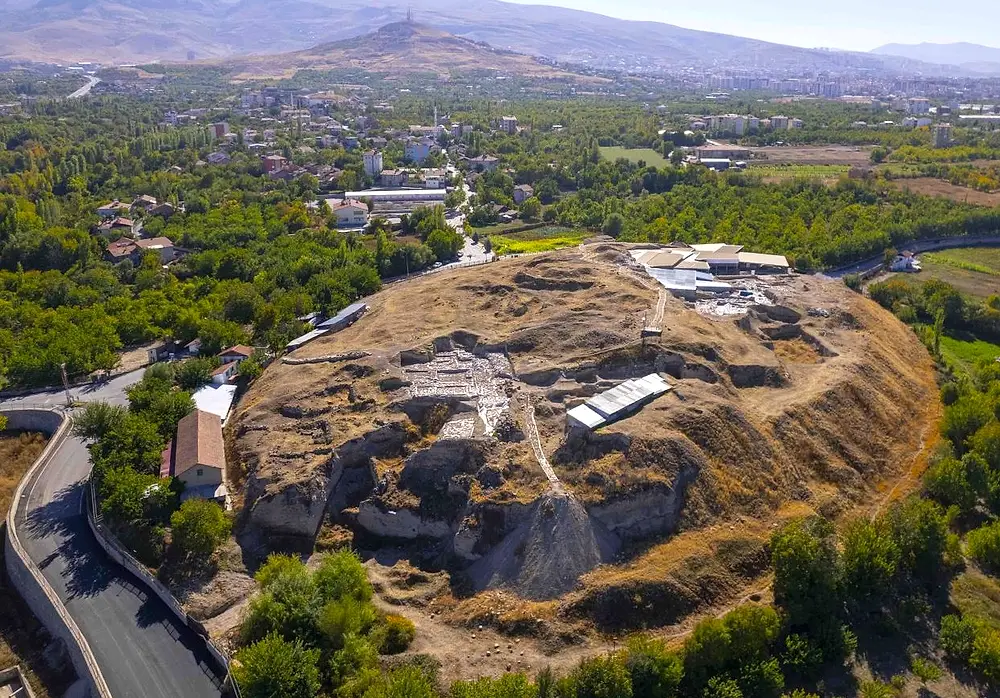
A 30-metre mound near Malatya, one of Turkey's largest, inhabited from about 5000 BC to the 11th century AD and inscribed on the UNESCO World Heritage List.
Arslantepe lies about 7 kilometres northeast of Malatya, near the Euphrates and west of the Karakaya Dam Lake, and is one of the largest mounds in Turkey. It rises 30 metres, covers about 4.5 hectares, and was inhabited from about 5000 BC until the 11th century AD.
The mound's resources explain this long life: it had water, farmland and lay outside the flood zone of the Euphrates. In the Hittite period, around 2000 BC, the city was known as Melid, in various spellings. In the 5th and 6th centuries AD it was a Roman village and later a Byzantine necropolis. Its uninterrupted settlement from the Late Chalcolithic to the Islamic age makes it a key place for the history of eastern Anatolia.
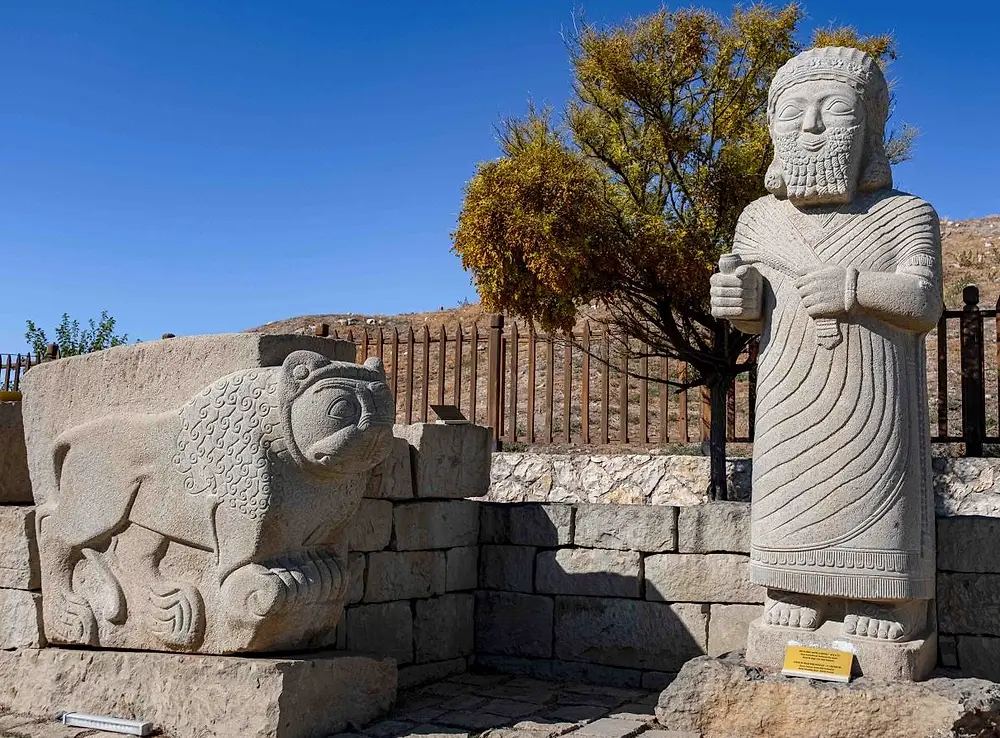
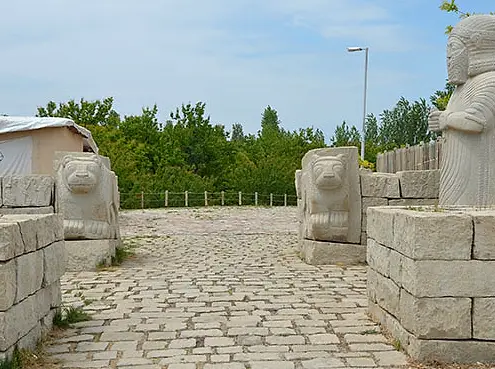
Excavations began in the 1930s. In the first period they uncovered wall reliefs including two lions and a statue of King Tarhunza. The site is on UNESCO's World Heritage List.
According to the Ministry’s listing it opens at 12:49 and closes at 12:49.
No. This site sells no tickets. Topkapı Palace, the Basilica Cistern, Hagia Sophia and Dolmabahçe Palace are sold on our sister sites; for Arslantepe Archaeological Site, buy at the ticket office or on the Ministry’s official e-ticket system.
Arslantepe Archaeological Site is in Malatya, Türkiye — Arslantepe Höyüğü,Bahçebaşı Mahallesi.
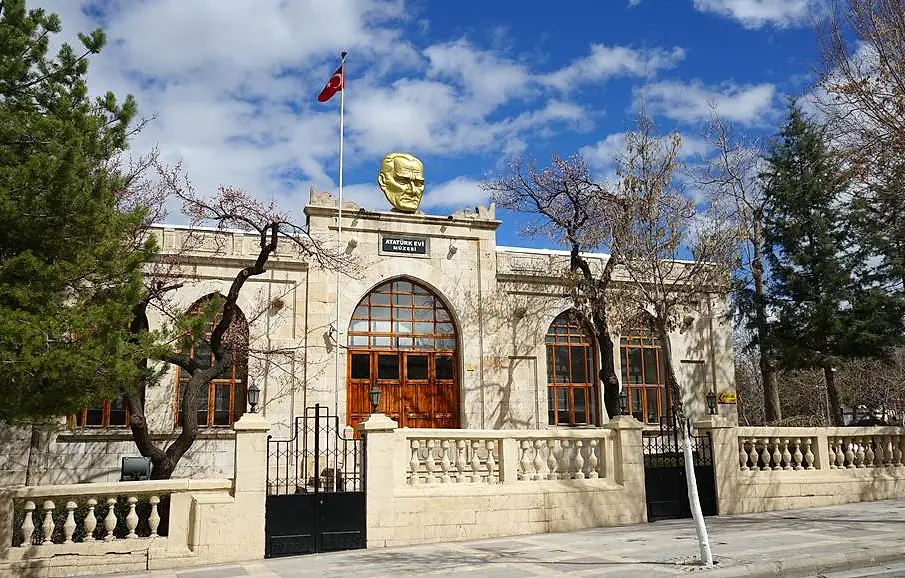
A 1926 stone building in Malatya that Atatürk used on his visits, now a memorial house with photographs, meeting scenes and hand-woven carpets.
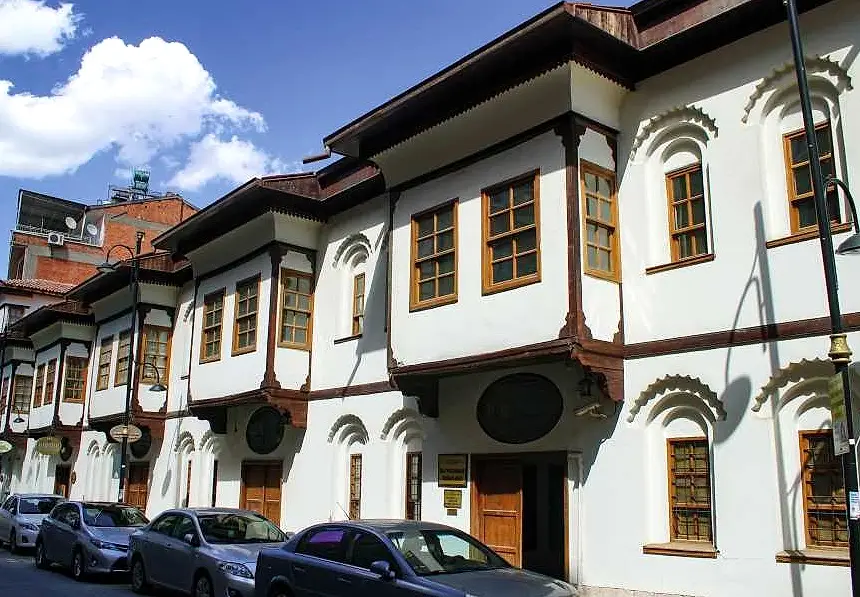
Five early-20th-century mansions in Malatya, a prime example of traditional local architecture, now an ethnography museum, currently closed for restoration.
Four Istanbul landmarks, each sold on its own site by the agency behind this guide — dated entry and free cancellation up to 24 hours.
The sultans’ palace on Sarayburnu: courtyards, the Imperial Council, the treasury and the terraces over the water. Dated entry, sold online on its own site.
Justinian’s great underground reservoir: 336 columns in still water and the two Medusa heads. Fast-track entry with a digital audio guide.
Justinian’s cathedral, the sultans’ mosque and a working mosque again today. The ticket admits you to the upper visitor gallery.
A nineteenth-century palace on the water’s edge: the Selamlık, the Ceremonial Hall under its chandelier, the crystal staircase and the Harem.


