
Topkapı Palace
The sultans’ palace on Sarayburnu: courtyards, the Imperial Council, the treasury and the terraces over the water. Dated entry, sold online on its own site.
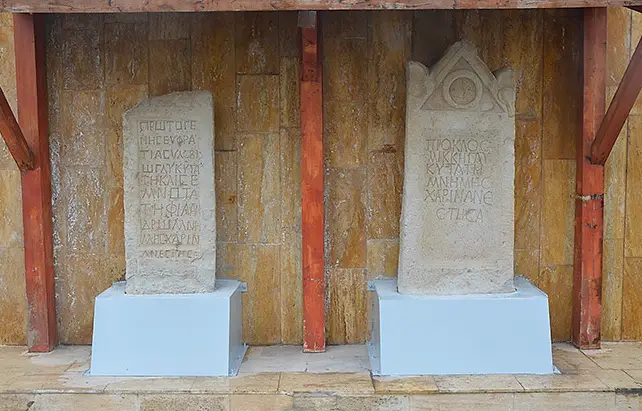
Malatya's archaeological museum, built around finds from Arslantepe and from the Karakaya dam rescue digs, tracing the region from the Chalcolithic to the Seljuks.
On September 30, 2026 the Ministry’s listing showed this museum as closed to visitors. Check the official page before planning a visit.
Malatya has always been a corridor between Central Anatolia and Mesopotamia, and some of the earliest and most advanced societies grew up here. The Euphrates, the Tohma stream and many smaller rivers gave the area lasting importance, and the museum's collection follows that story from about 8000 BC up to recent centuries.
The building itself dates from the late 1970s. Work on it began in 1975 and finished two years later, and the museum opened in 1979 after it had been enriched by finds from rescue excavations begun in 1978 to save sites that would disappear under the Karakaya reservoir. A newer display project was put into practice from 2001.
The heart of the collection comes from Arslantepe Mound: pottery, swords, spearheads, seals, idols, tools and jewellery from the Chalcolithic Age to the Late Hittite period. Further cases show objects from Caferhöyük, Değirmentepe, İmamoğlu and other rescue digs, as well as Urartian, Roman, Byzantine and Seljuk pieces. A chronological coin section occupies the ground floor.
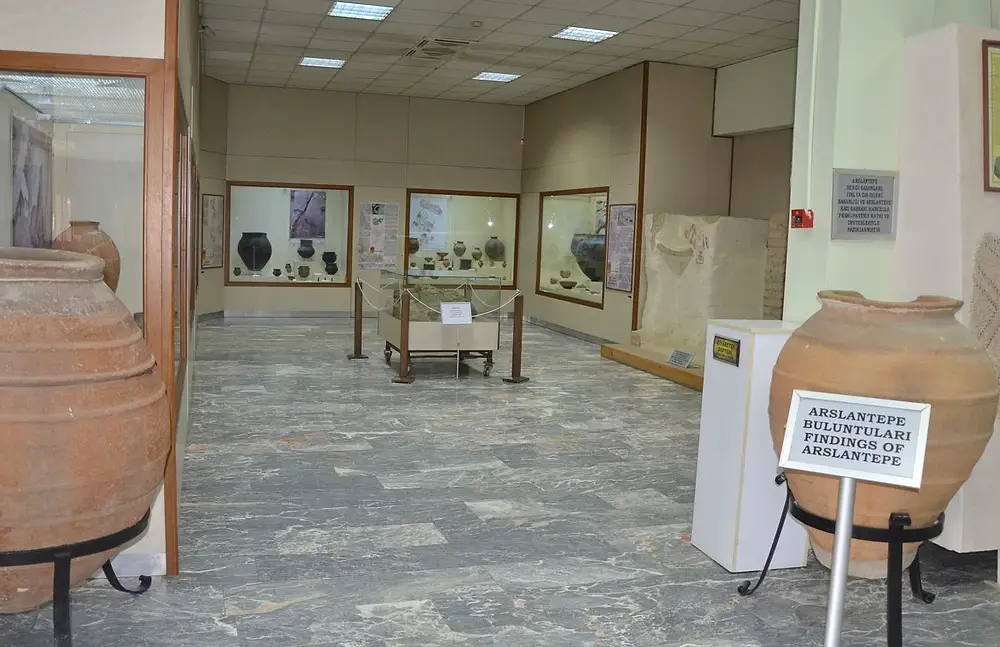
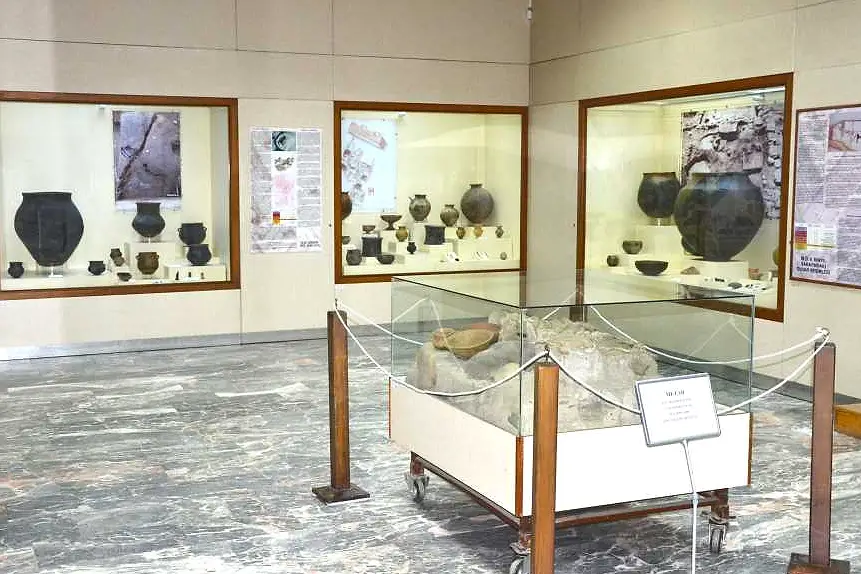
According to the Ministry’s listing it opens at 08:00 and closes at 17:00. Open every day.
No. This site sells no tickets. Topkapı Palace, the Basilica Cistern, Hagia Sophia and Dolmabahçe Palace are sold on our sister sites; for Malatya Museum, buy at the ticket office or on the Ministry’s official e-ticket system.
Malatya Museum is in Malatya, Türkiye — Kernek Mahallesi, Şehit Hamit Fendoğlu Caddesi No:33.
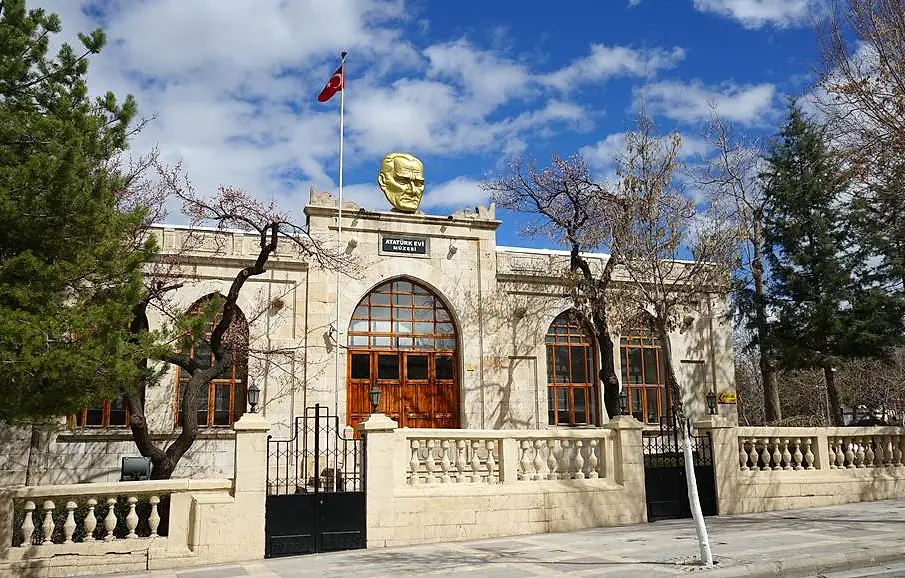
A 1926 stone building in Malatya that Atatürk used on his visits, now a memorial house with photographs, meeting scenes and hand-woven carpets.
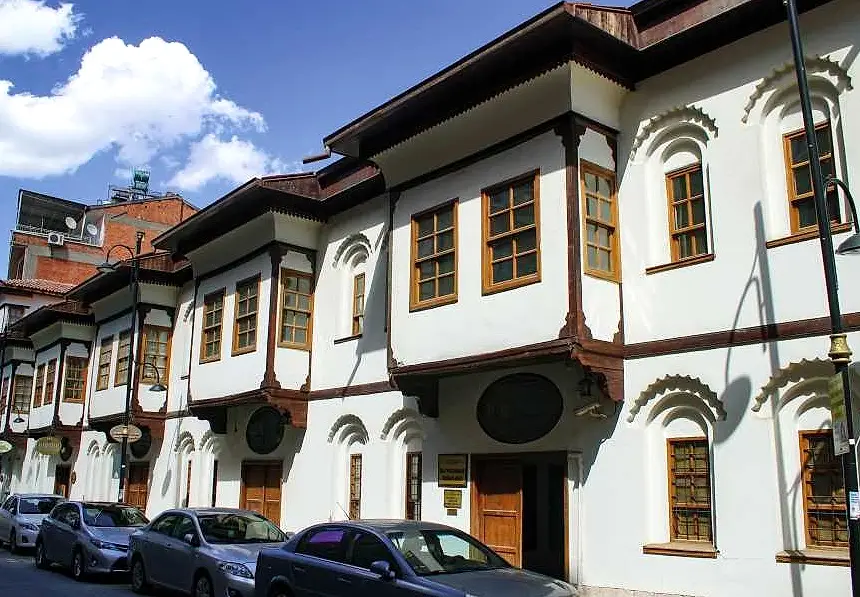
Five early-20th-century mansions in Malatya, a prime example of traditional local architecture, now an ethnography museum, currently closed for restoration.
Four Istanbul landmarks, each sold on its own site by the agency behind this guide — dated entry and free cancellation up to 24 hours.
The sultans’ palace on Sarayburnu: courtyards, the Imperial Council, the treasury and the terraces over the water. Dated entry, sold online on its own site.
Justinian’s great underground reservoir: 336 columns in still water and the two Medusa heads. Fast-track entry with a digital audio guide.
Justinian’s cathedral, the sultans’ mosque and a working mosque again today. The ticket admits you to the upper visitor gallery.
A nineteenth-century palace on the water’s edge: the Selamlık, the Ceremonial Hall under its chandelier, the crystal staircase and the Harem.


