
Topkapı Palace
The sultans’ palace on Sarayburnu: courtyards, the Imperial Council, the treasury and the terraces over the water. Dated entry, sold online on its own site.
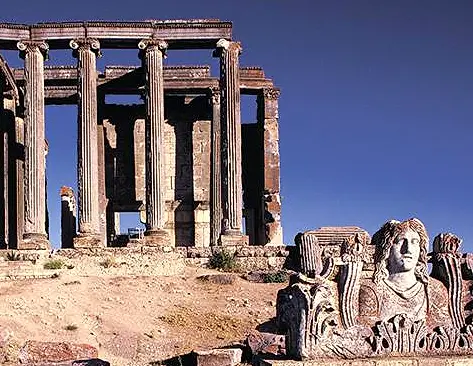
A well-preserved Roman city near Çavdarhisar in Kütahya, with a great Temple of Zeus and a unique combined theatre and stadium.
Aizanoi stands in the district of Çavdarhisar, about fifty kilometres from the city of Kütahya, in the upper valley of the Penkalas stream. Its name may come from Azan, a mythical hero said to be the son of the nymph Erato and King Arkas. Settlement traces go back to the 3rd millennium BC, and the city belonged to ancient Phrygia. It passed to Rome in 133 BC and was at its height between about AD 50 and 250, wealthy from grain, wine and wool.
The ancient city gained the honour of Neokoros, temple-guardian city, with privileges such as tax exemption. In the early Byzantine period it was a bishopric, then lost importance from the 7th century. Later the temple platform was turned into a fortress, and Seljuk-era Çavdar Tatars used it as a base, which gave Çavdarhisar its name. Western travellers rediscovered the site in 1824, and the German Archaeological Institute dug here from 1926, with Pamukkale University taking over from 2011.
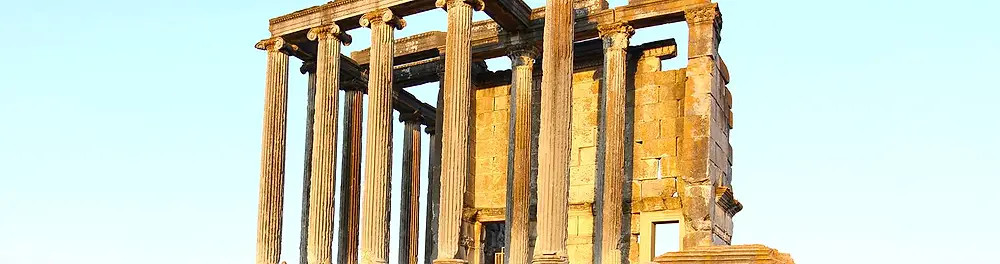
The star of the site is the Temple of Zeus, with its rare double-chambered plan, on a high terrace. Nearby lies what is said to be the world's only unified theatre and stadium complex, with room for about 15,000 spectators in each part. You will also see colonnaded streets, agoras, a dam and waterworks, an odeon and city gates, showing how developed the city was.
According to the Ministry’s listing it opens at 08:30 and closes at 18:00 (last entry 17:30). Open every day.
No. This site sells no tickets. Topkapı Palace, the Basilica Cistern, Hagia Sophia and Dolmabahçe Palace are sold on our sister sites; for Aizanoi Archaeological Site, buy at the ticket office or on the Ministry’s official e-ticket system.
Aizanoi Archaeological Site is in Kütahya, Türkiye — Kemaller Mahallesi, Cumhuriyet Cad., 43710 Çavdarhisar/Kütahya.
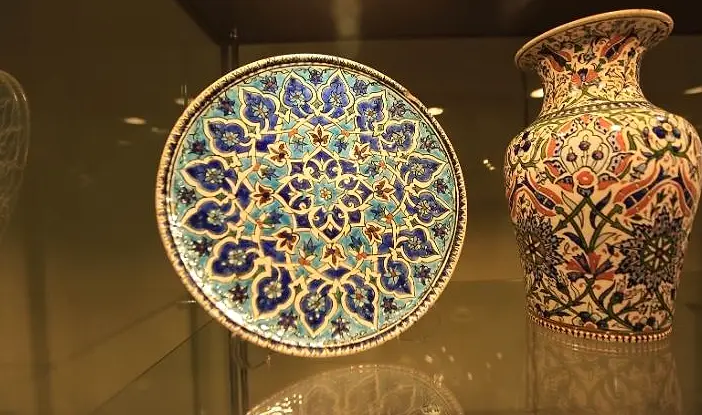
A 1411 imaret and tomb complex in Kütahya, restored as a museum of Kütahya and İznik tiles from the 14th century to today.
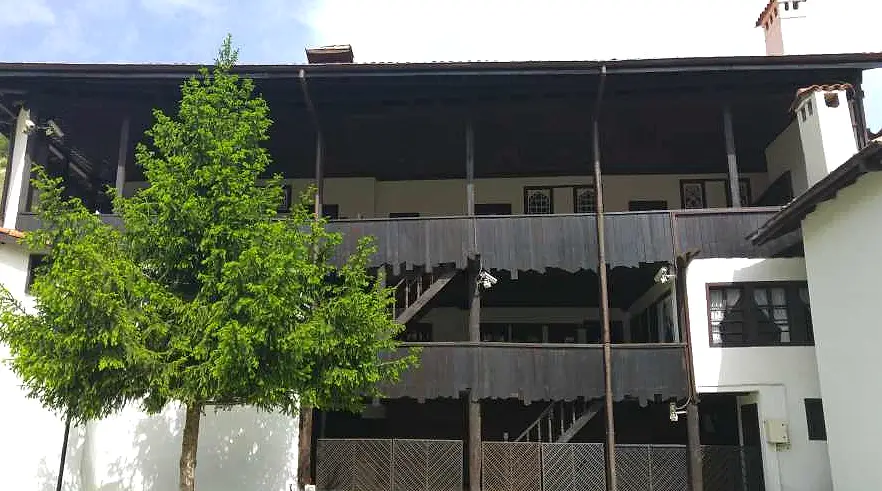
The 18th-century Kütahya house where Hungarian leader Lajos Kossuth lived in exile in 1850-1851 and drafted a constitution, known locally as the Hungarian House.
Four Istanbul landmarks, each sold on its own site by the agency behind this guide — dated entry and free cancellation up to 24 hours.
The sultans’ palace on Sarayburnu: courtyards, the Imperial Council, the treasury and the terraces over the water. Dated entry, sold online on its own site.
Justinian’s great underground reservoir: 336 columns in still water and the two Medusa heads. Fast-track entry with a digital audio guide.
Justinian’s cathedral, the sultans’ mosque and a working mosque again today. The ticket admits you to the upper visitor gallery.
A nineteenth-century palace on the water’s edge: the Selamlık, the Ceremonial Hall under its chandelier, the crystal staircase and the Harem.


