
Topkapı Palace
The sultans’ palace on Sarayburnu: courtyards, the Imperial Council, the treasury and the terraces over the water. Dated entry, sold online on its own site.
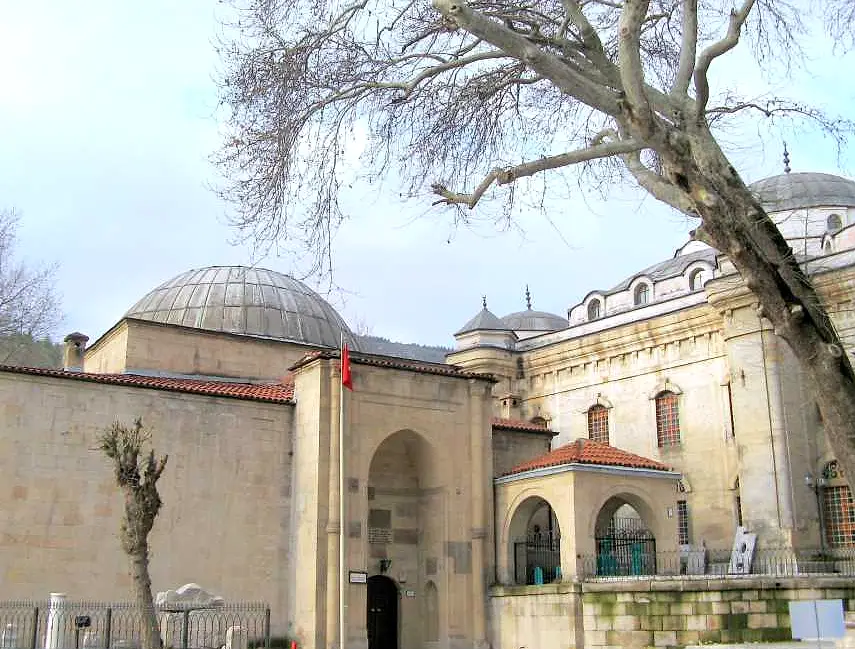
A museum in a 14th-century madrasa beside Kütahya's Great Mosque, with finds from the Miocene to the Ottoman era.
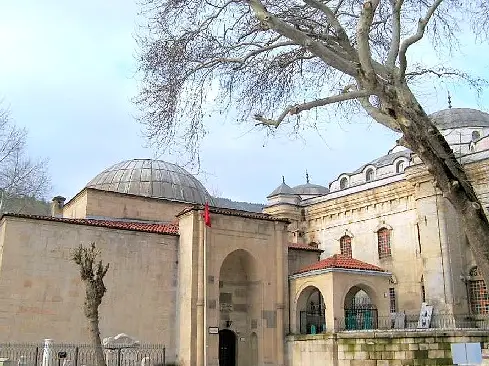
The museum sits next to Kütahya's Great Mosque in a building known as the Vacidiye or Umur bin Savcı Madrasa, commissioned in 1314 by Umur bin Savcı, one of the Germiyan lords. It is built of cut stone, and its portal shows the Seljuk tradition. Nine small rooms open onto a domed central space. After restoration and a fresh display, it reopened on 5 March 1999.
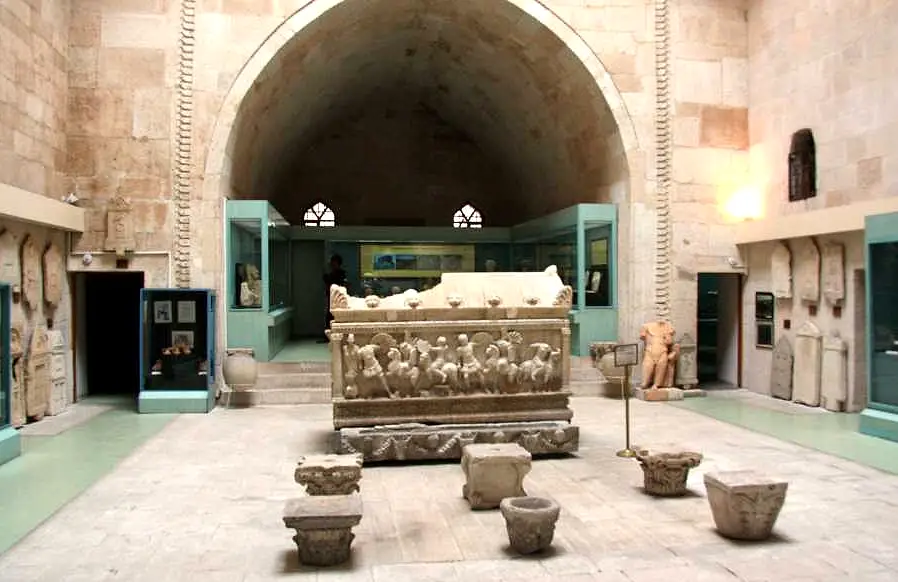
The collection follows the region's story across a huge time span, starting with fossils from the Miocene and moving through the Paleolithic, Chalcolithic, Early Bronze Age, Hittite, Phrygian, Hellenistic, Roman, Byzantine, Seljuk and Ottoman periods. Painted pottery of the Late Chalcolithic and Early Bronze Age vessels from around Kütahya are among the oldest displays.
Phrygian and Achaemenid finds from the Iron Age are followed by Roman-era pieces, including children's toys and figures of Cybele, Demeter, a satyr and Hekate.
According to the Ministry’s listing it opens at 08:30 and closes at 17:30 (last entry 17:00). Open every day.
No. This site sells no tickets. Topkapı Palace, the Basilica Cistern, Hagia Sophia and Dolmabahçe Palace are sold on our sister sites; for Kütahya Museum, buy at the ticket office or on the Ministry’s official e-ticket system.
Kütahya Museum is in Kütahya, Türkiye — Kütahya Merkez Börekçiler Mahallesi.
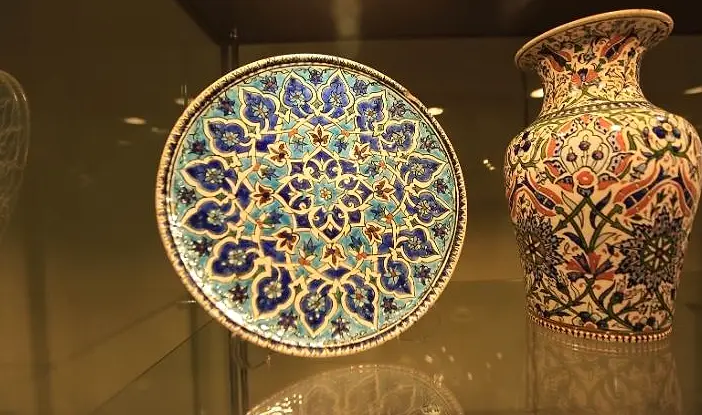
A 1411 imaret and tomb complex in Kütahya, restored as a museum of Kütahya and İznik tiles from the 14th century to today.
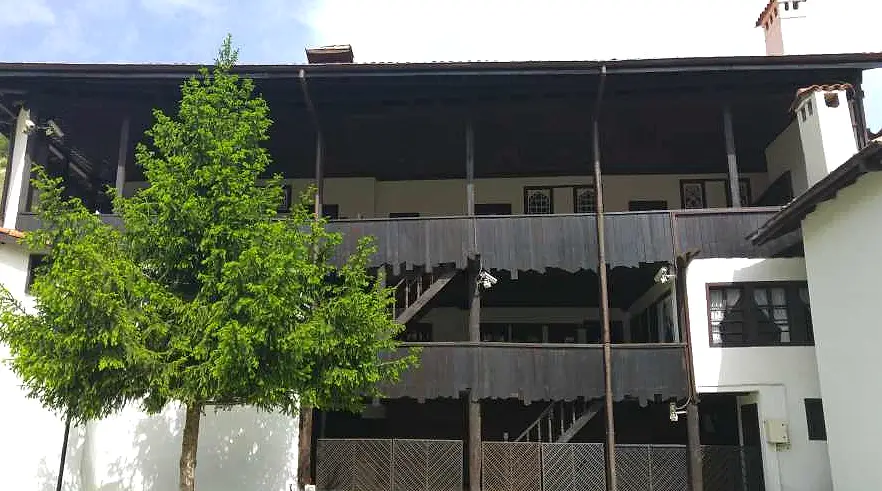
The 18th-century Kütahya house where Hungarian leader Lajos Kossuth lived in exile in 1850-1851 and drafted a constitution, known locally as the Hungarian House.
Four Istanbul landmarks, each sold on its own site by the agency behind this guide — dated entry and free cancellation up to 24 hours.
The sultans’ palace on Sarayburnu: courtyards, the Imperial Council, the treasury and the terraces over the water. Dated entry, sold online on its own site.
Justinian’s great underground reservoir: 336 columns in still water and the two Medusa heads. Fast-track entry with a digital audio guide.
Justinian’s cathedral, the sultans’ mosque and a working mosque again today. The ticket admits you to the upper visitor gallery.
A nineteenth-century palace on the water’s edge: the Selamlık, the Ceremonial Hall under its chandelier, the crystal staircase and the Harem.


