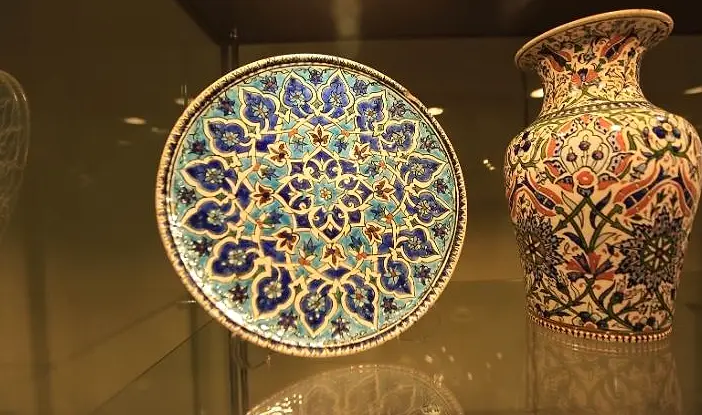

Topkapı Palace
The sultans’ palace on Sarayburnu: courtyards, the Imperial Council, the treasury and the terraces over the water. Dated entry, sold online on its own site.
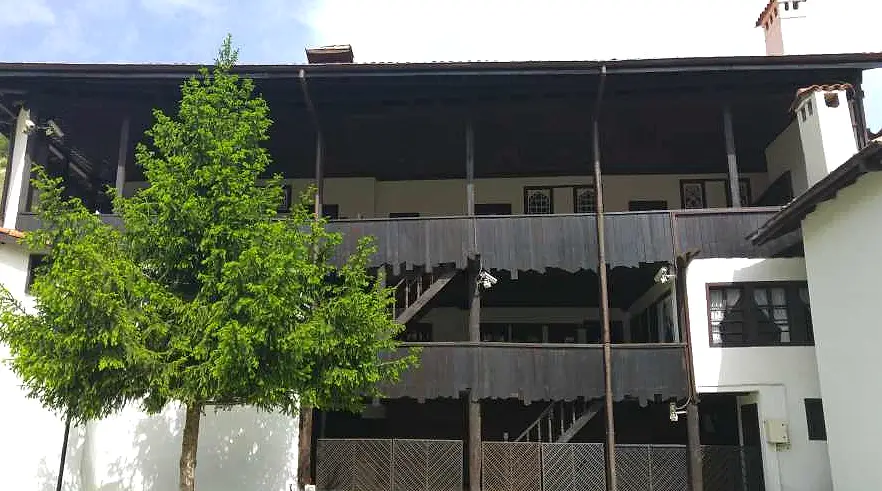
The 18th-century Kütahya house where Hungarian leader Lajos Kossuth lived in exile in 1850-1851 and drafted a constitution, known locally as the Hungarian House.
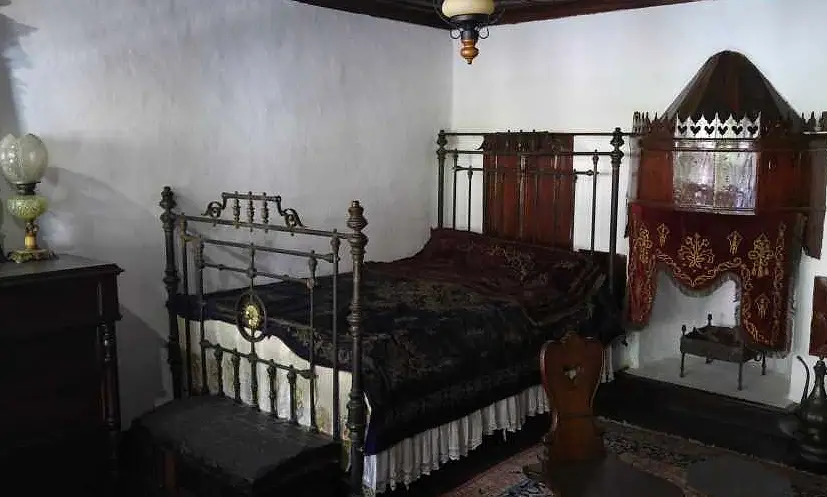
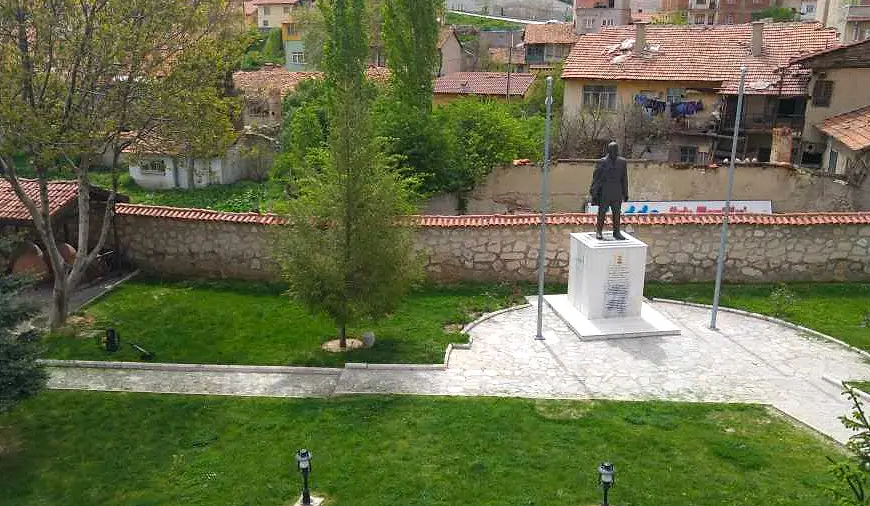
This 18th-century Turkish house on Macar (Hungarian) Street in the centre of Kütahya is also known as the Hungarian House. Lajos Kossuth (1802-1894), one of the leaders of Hungary's freedom struggle, stayed here with his family in 1850-1851 and prepared a draft Hungarian constitution in these rooms.
The story begins with the defeat of the 1848 revolution. Kossuth and companions left Hungary after Austria and Russia allied against it, and about one hundred and fifty refugees sought shelter in the Ottoman Empire. They went by way of Vidin and Shumen, and the Ottomans sent them on to Kütahya, judged safer. When Austria and Russia demanded Kossuth be handed over, Sultan Abdülmecid refused to give up those who had taken refuge with him.
Kossuth and his party arrived in Kütahya on 16 February 1850, and they stayed for about a year and a half. His household soon drew international attention, and he wrote political letters from here. Kossuth later said he owed his life and freedom to the Turks who protected him. The museum keeps this chapter of shared history alive.
According to the Ministry’s listing it opens at 08:30 and closes at 17:30 (last entry 17:00). Closed: Monday.
No. This site sells no tickets. Topkapı Palace, the Basilica Cistern, Hagia Sophia and Dolmabahçe Palace are sold on our sister sites; for Kossuth House Museum, buy at the ticket office or on the Ministry’s official e-ticket system.
Kossuth House Museum is in Kütahya, Türkiye — Börekçiler Mahallesi 43050 KÜTAHYA.
Four Istanbul landmarks, each sold on its own site by the agency behind this guide — dated entry and free cancellation up to 24 hours.
The sultans’ palace on Sarayburnu: courtyards, the Imperial Council, the treasury and the terraces over the water. Dated entry, sold online on its own site.
Justinian’s great underground reservoir: 336 columns in still water and the two Medusa heads. Fast-track entry with a digital audio guide.
Justinian’s cathedral, the sultans’ mosque and a working mosque again today. The ticket admits you to the upper visitor gallery.
A nineteenth-century palace on the water’s edge: the Selamlık, the Ceremonial Hall under its chandelier, the crystal staircase and the Harem.


