
Topkapı Palace
The sultans’ palace on Sarayburnu: courtyards, the Imperial Council, the treasury and the terraces over the water. Dated entry, sold online on its own site.
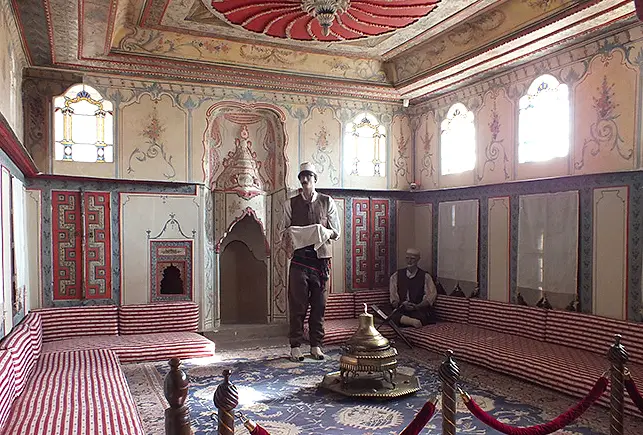
A two-storey 18th-century house in Yenişehir, near Bursa, furnished as a family home, with hand-painted flower and landscape motifs on its walls.
On September 30, 2026 the Ministry’s listing showed this museum as closed to visitors. Check the official page before planning a visit.
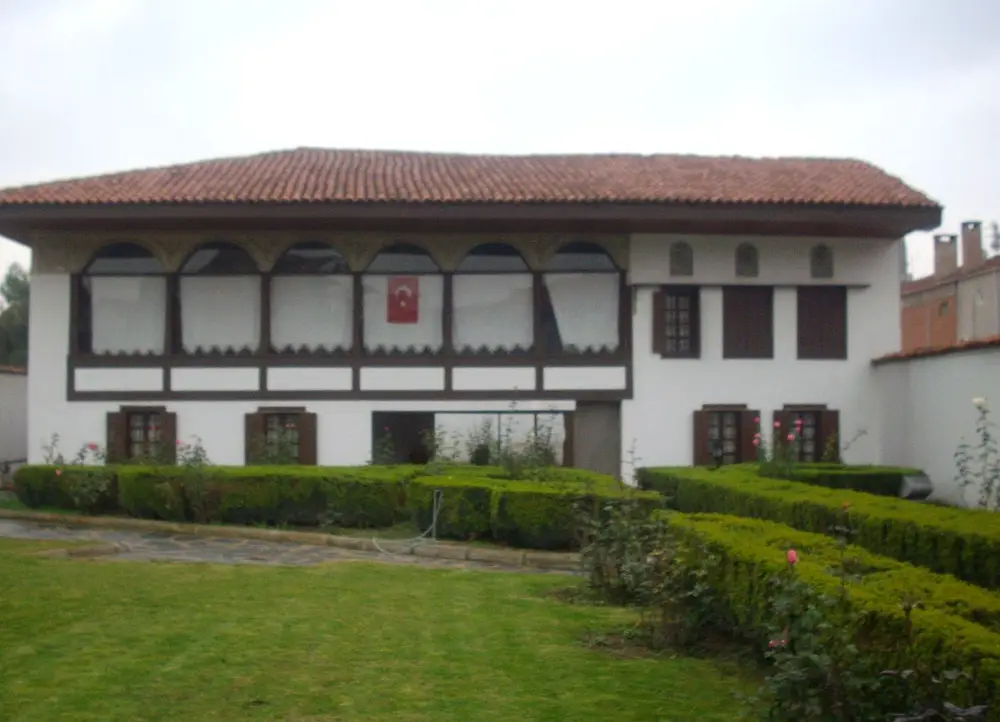
The Şemaki House stands in the centre of Yenişehir, about 55 km from Bursa. It was built around the 18th century by the Şemaki family, who came to Anatolia from the town of Şemah and settled in Yenişehir. The state bought it in 1945 and began using it as a museum. After repairs in 1980, it was furnished in the style of a Şemaki household and opened to visitors in 1991.
It is a two-storey house. The ground floor has a stone-paved hall, a kitchen and cellar to the right, and two winter rooms to the left. A wooden staircase by the kitchen wall leads to the upper floor, whose garden-facing front opens through arched sections like a portico. Two rooms, one large and one small, open on to a hall with an iwan.
The hand-painted flower and panorama motifs on the walls date from the 19th century. A bathhouse once stood in the garden but no longer exists.
According to the Ministry’s listing it opens at 08:00 and closes at 17:00 (last entry 16:30).
No. This site sells no tickets. Topkapı Palace, the Basilica Cistern, Hagia Sophia and Dolmabahçe Palace are sold on our sister sites; for Yenişehir Şemaki House Museum, buy at the ticket office or on the Ministry’s official e-ticket system.
Yenişehir Şemaki House Museum is in Bursa, Türkiye — Gündoğan Mahallesi Karabacak Sokak No:3.
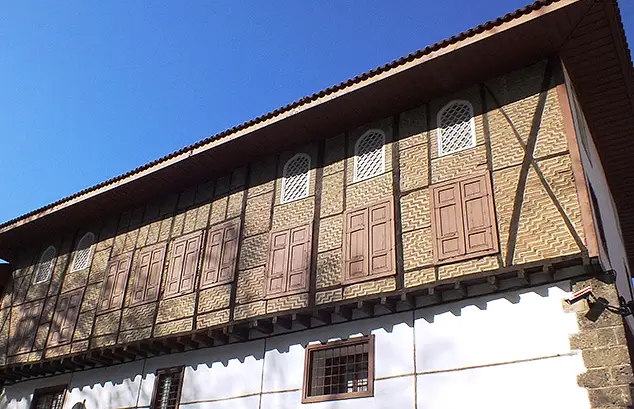
A 17th-century Bursa house beside the Muradiye complex, opened as a museum in 1958, with painted and carved woodwork on its upper floor.
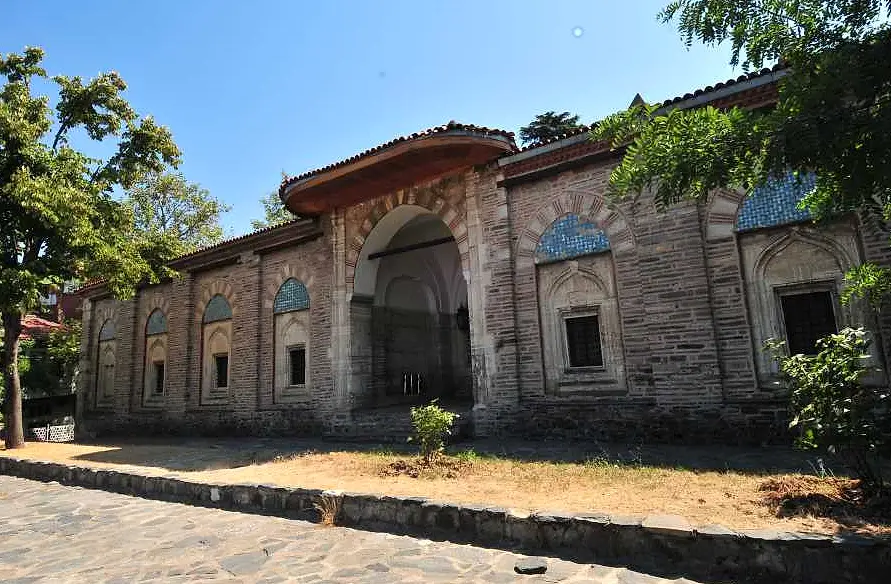
Bursa's museum in the Green Madrasa, with tiles, woodwork, metalwork, coins and costume from the Seljuk, principality and Ottoman periods, plus a garden of Bursa tombstones.
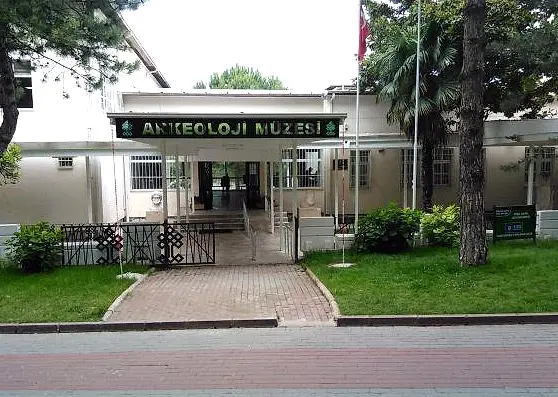
Türkiye's third-oldest museum, founded in 1904, whose collections run from the Miocene to the Byzantine era, including the Paşalar fossil elephant and a gold olive diadem.
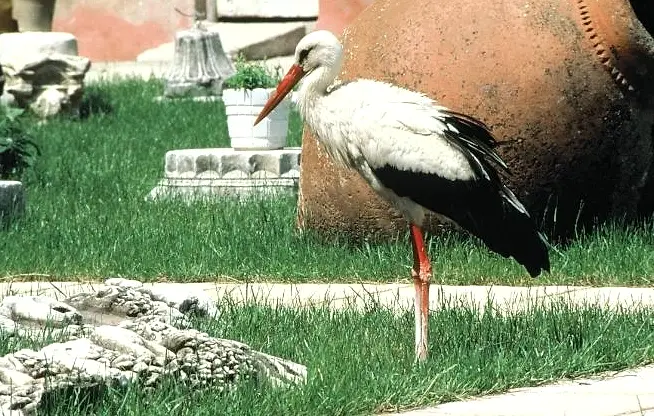
A 14th-century soup kitchen with an unusual inverted-T plan, turned into the museum of ancient Nicaea, with finds from prehistory to the Ottoman era and a garden of stone fragments.
Four Istanbul landmarks, each sold on its own site by the agency behind this guide — dated entry and free cancellation up to 24 hours.
The sultans’ palace on Sarayburnu: courtyards, the Imperial Council, the treasury and the terraces over the water. Dated entry, sold online on its own site.
Justinian’s great underground reservoir: 336 columns in still water and the two Medusa heads. Fast-track entry with a digital audio guide.
Justinian’s cathedral, the sultans’ mosque and a working mosque again today. The ticket admits you to the upper visitor gallery.
A nineteenth-century palace on the water’s edge: the Selamlık, the Ceremonial Hall under its chandelier, the crystal staircase and the Harem.


