
Topkapı Palace
The sultans’ palace on Sarayburnu: courtyards, the Imperial Council, the treasury and the terraces over the water. Dated entry, sold online on its own site.
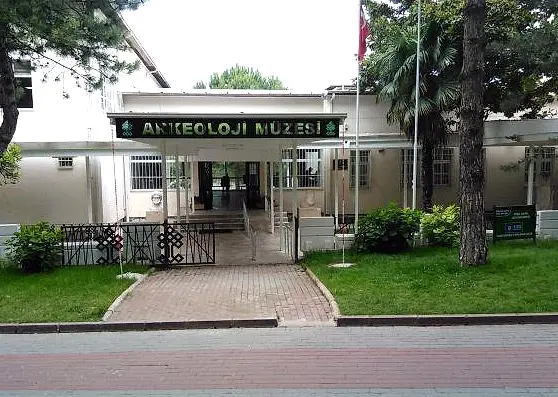
Türkiye's third-oldest museum, founded in 1904, whose collections run from the Miocene to the Byzantine era, including the Paşalar fossil elephant and a gold olive diadem.
On September 30, 2026 the Ministry’s listing showed this museum as closed to visitors. Check the official page before planning a visit.
Founded in 1904 as a branch of the Imperial Museum, Bursa Museum is the third-oldest in Türkiye, after Istanbul (1899) and Konya (1902). It began in the Bursa Boys' High School, moved to the Green Madrasa in 1930, and in 1972 the archaeology section moved to its present building in Kültürpark.
With no other museum nearby, it long acted as a regional museum. It ran the excavations at Ilıpınar Höyük until İznik Museum opened, and at Antandros and Daskyleion until Balıkesir Museum was founded, as well as rescue digs in Bilecik, Bandırma and Yalova. As a result the collection runs from the Miocene to the Byzantine era, shown in chronological order.
Highlights include a Chalcolithic terracotta vessel inlaid with beads from Aktopraklık Höyük; a Roman bronze bust of Athena and a bronze statue of Apollo from Miletopolis; and a Roman bronze statue of a boy holding a dog from a trial dig at Mudanya. A rare gold diadem with olive fruits, found in a Hellenistic sarcophagus at Gemlik, is also on display. Fossils from the Paşalar site include the Miocene ivory known as the "Paşalar Elephant".
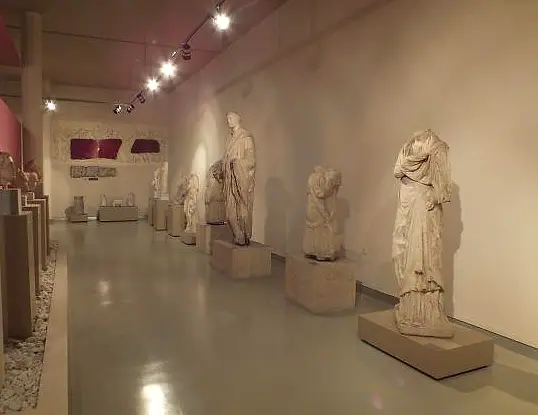
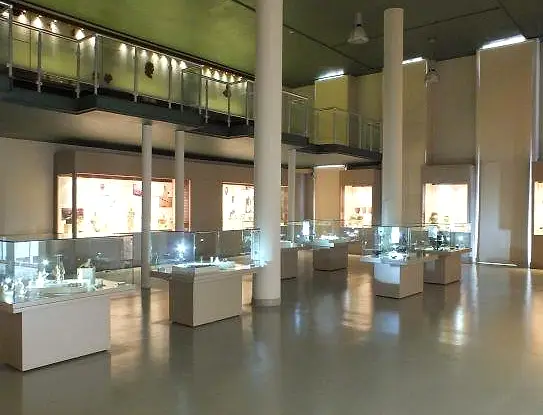
According to the Ministry’s listing it opens at 08:00 and closes at 17:00 (last entry 16:30).
No. This site sells no tickets. Topkapı Palace, the Basilica Cistern, Hagia Sophia and Dolmabahçe Palace are sold on our sister sites; for Bursa Archaeological Museum, buy at the ticket office or on the Ministry’s official e-ticket system.
Bursa Archaeological Museum is in Bursa, Türkiye — Gaziakdemir Mah.Çekirge Cad. No:4/11 Arkeoloji Müzesi Kültürpark içi 16050 Osmangazi/BURSA.
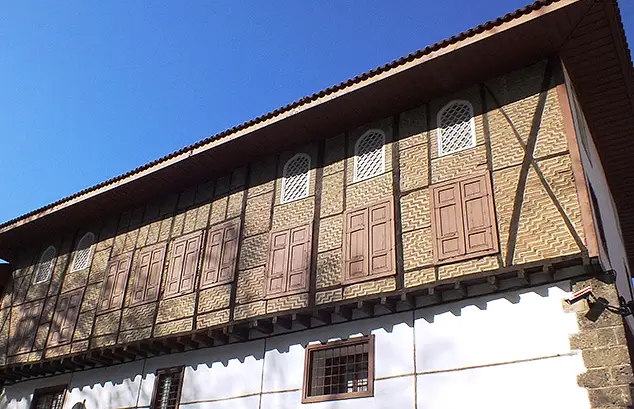
A 17th-century Bursa house beside the Muradiye complex, opened as a museum in 1958, with painted and carved woodwork on its upper floor.
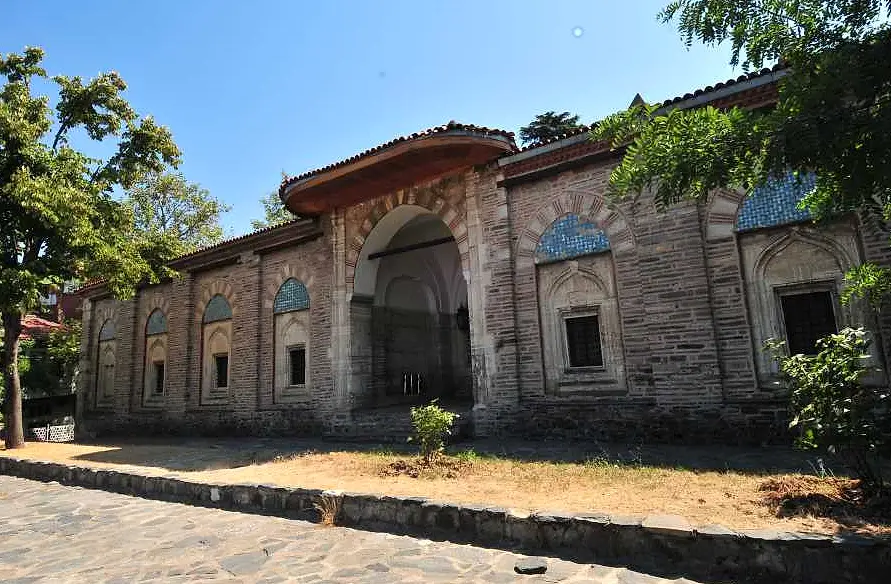
Bursa's museum in the Green Madrasa, with tiles, woodwork, metalwork, coins and costume from the Seljuk, principality and Ottoman periods, plus a garden of Bursa tombstones.
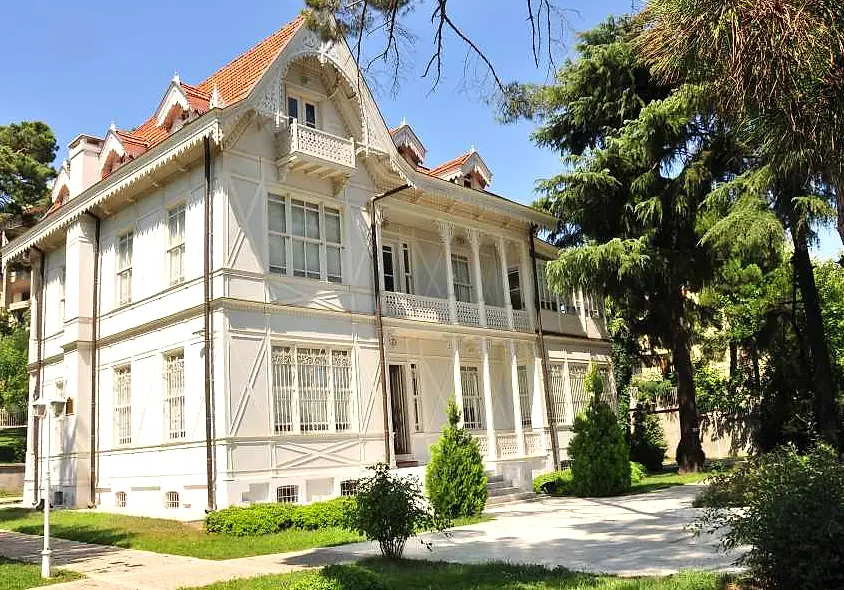
A late-19th-century villa on Çekirge Street where Atatürk stayed on his visits to Bursa, kept with almost all of his original furniture.
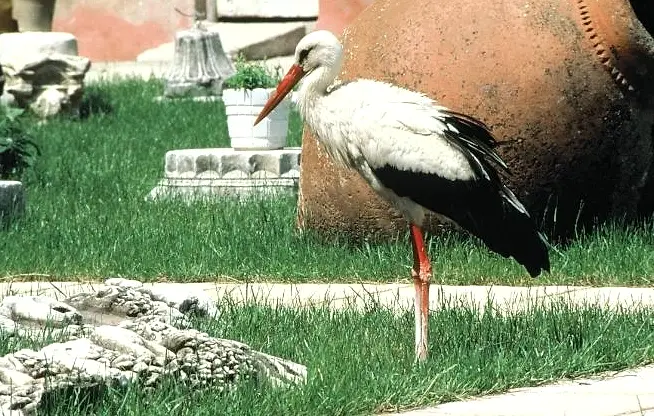
A 14th-century soup kitchen with an unusual inverted-T plan, turned into the museum of ancient Nicaea, with finds from prehistory to the Ottoman era and a garden of stone fragments.
Four Istanbul landmarks, each sold on its own site by the agency behind this guide — dated entry and free cancellation up to 24 hours.
The sultans’ palace on Sarayburnu: courtyards, the Imperial Council, the treasury and the terraces over the water. Dated entry, sold online on its own site.
Justinian’s great underground reservoir: 336 columns in still water and the two Medusa heads. Fast-track entry with a digital audio guide.
Justinian’s cathedral, the sultans’ mosque and a working mosque again today. The ticket admits you to the upper visitor gallery.
A nineteenth-century palace on the water’s edge: the Selamlık, the Ceremonial Hall under its chandelier, the crystal staircase and the Harem.


