
Topkapı Palace
The sultans’ palace on Sarayburnu: courtyards, the Imperial Council, the treasury and the terraces over the water. Dated entry, sold online on its own site.
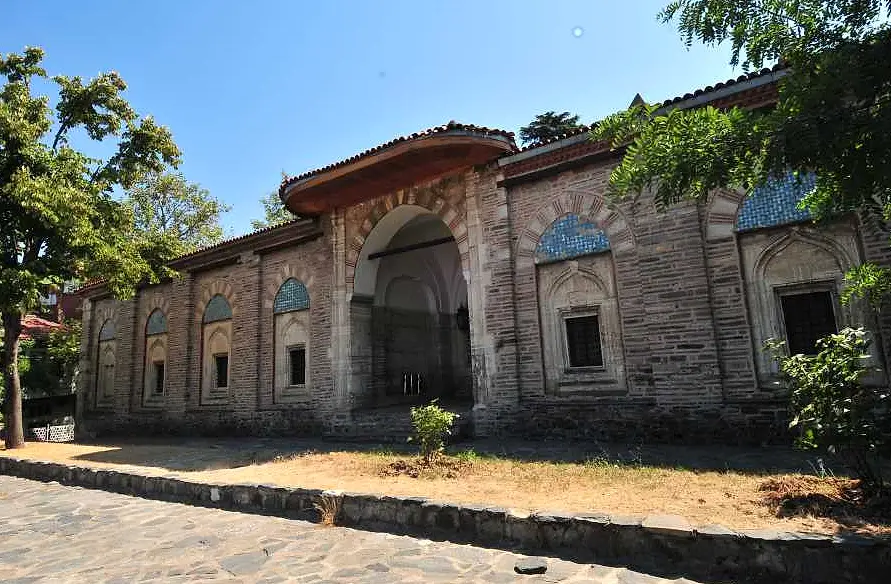
Bursa's museum in the Green Madrasa, with tiles, woodwork, metalwork, coins and costume from the Seljuk, principality and Ottoman periods, plus a garden of Bursa tombstones.
The first museum in Bursa began modestly in 1902, when an education official and a school accountant gathered antiquities and folk objects from the area in a school garden and lab. It grew quickly, became an official branch of the Imperial Museum in 1904 under Osman Hamdi Bey, and moved into the Green Madrasa, opening there in 1930. It later reopened under its present name in 1975.
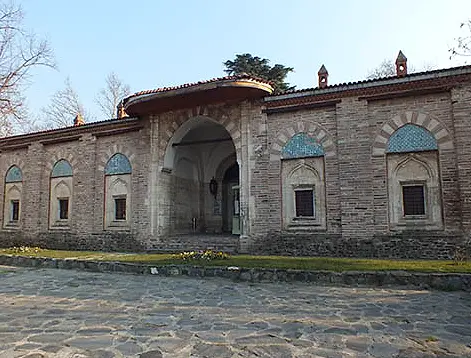
The Green Madrasa, also known as the Sultaniye Madrasa, is one of the earliest Ottoman madrasas and belongs to the Green Complex, built between 1414 and 1424 by the architect Hacı İvaz Pasha. In plan it recalls the open-iwan madrasas of the Anatolian Seljuks and was built of rubble, ashlar and brick.
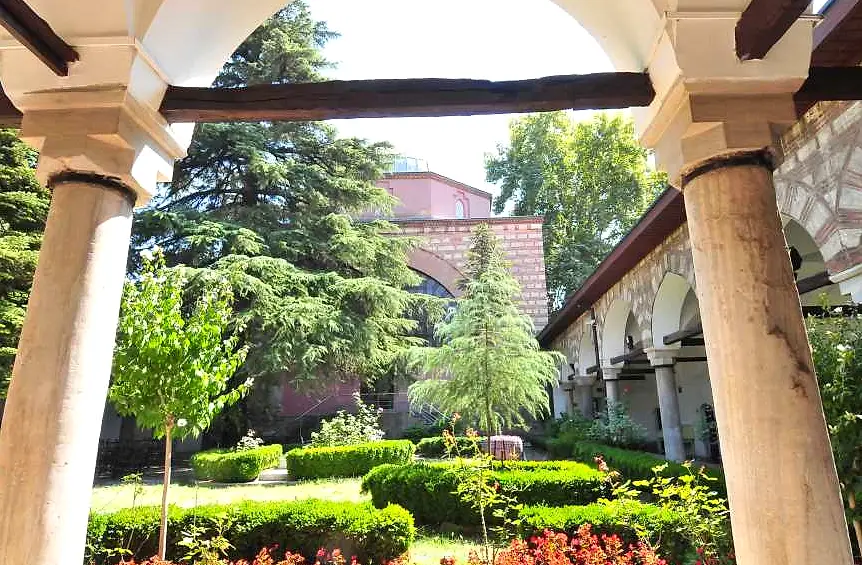
Inside, the collection covers the 13th to the 20th century: İznik and Kütahya tiles and ceramics, carved and inlaid woodwork, metalwork including tombak, Seljuk and Ottoman coins, traditional handicrafts and costume. The garden shelters Bursa tombstones from the 15th to the 19th century and some stone inscriptions.
According to the Ministry’s listing it opens at 08:00 and closes at 17:00 (last entry 16:30). Open every day.
No. This site sells no tickets. Topkapı Palace, the Basilica Cistern, Hagia Sophia and Dolmabahçe Palace are sold on our sister sites; for Turkish and Islamic Arts Museum, buy at the ticket office or on the Ministry’s official e-ticket system.
Turkish and Islamic Arts Museum is in Bursa, Türkiye — Yeşil cadde Zehrimar Camii Sokak 16360 Yıldırım/Bursa.
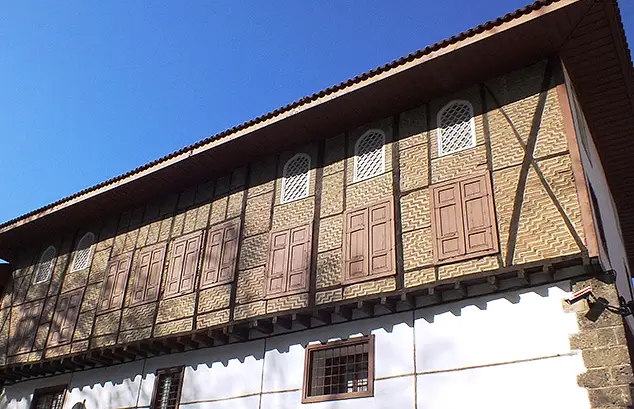
A 17th-century Bursa house beside the Muradiye complex, opened as a museum in 1958, with painted and carved woodwork on its upper floor.
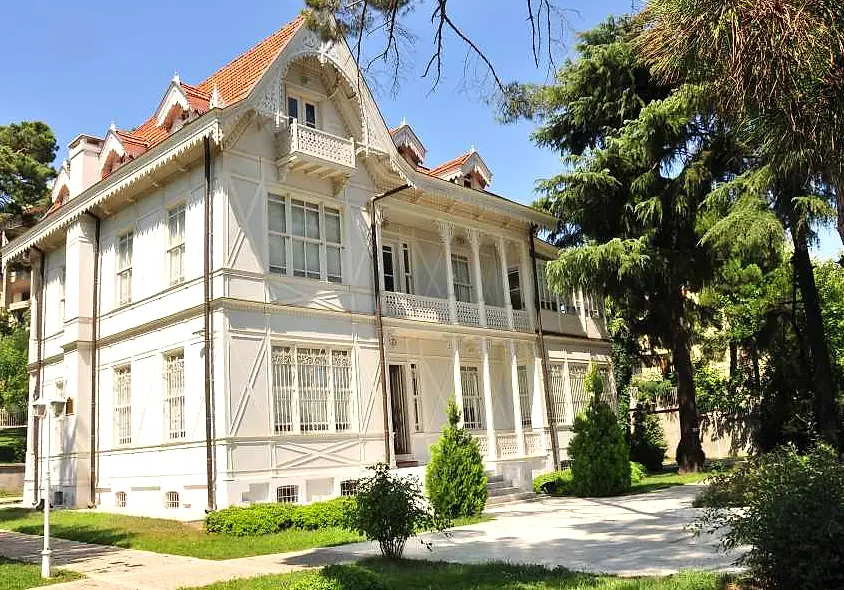
A late-19th-century villa on Çekirge Street where Atatürk stayed on his visits to Bursa, kept with almost all of his original furniture.
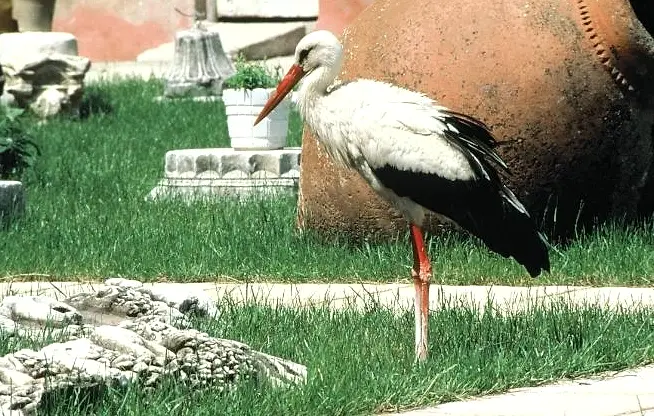
A 14th-century soup kitchen with an unusual inverted-T plan, turned into the museum of ancient Nicaea, with finds from prehistory to the Ottoman era and a garden of stone fragments.
Four Istanbul landmarks, each sold on its own site by the agency behind this guide — dated entry and free cancellation up to 24 hours.
The sultans’ palace on Sarayburnu: courtyards, the Imperial Council, the treasury and the terraces over the water. Dated entry, sold online on its own site.
Justinian’s great underground reservoir: 336 columns in still water and the two Medusa heads. Fast-track entry with a digital audio guide.
Justinian’s cathedral, the sultans’ mosque and a working mosque again today. The ticket admits you to the upper visitor gallery.
A nineteenth-century palace on the water’s edge: the Selamlık, the Ceremonial Hall under its chandelier, the crystal staircase and the Harem.


