
Topkapı Palace
The sultans’ palace on Sarayburnu: courtyards, the Imperial Council, the treasury and the terraces over the water. Dated entry, sold online on its own site.
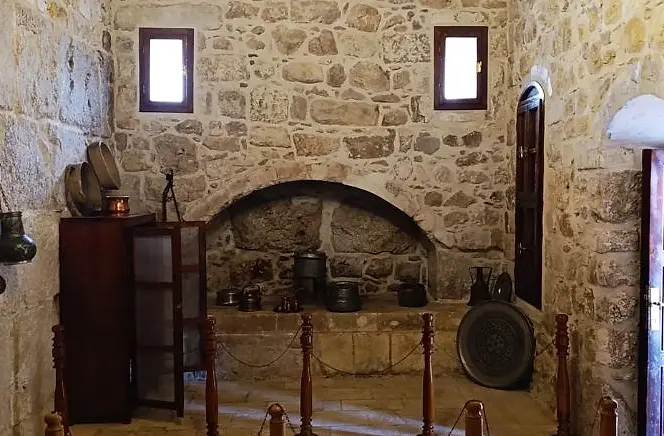
The stone mansion in Silvan where Mustafa Kemal stayed in 1916 as commander of the 16th Corps, reopened in 2024 after a fresh redesign.
An inscription on the upper floor dates this house to 1320 in the Islamic calendar, about 1902 to 1903. In 1908 it was used by Hatip Bey, the bey of Hazro. When Mustafa Kemal Atatürk arrived in Silvan with his headquarters on 15 April 1916, as commander of the 16th Corps on the eastern front, the house was set aside for his residence. From here he took charge of the area, halted the Russian advance toward Diyarbakır and, in 1918, helped free Bitlis and Muş from occupation.
The Ministry of Culture and Tourism expropriated the mansion in 1980 and it was registered as Atatürk House in 1992, the year it was also restored. It was rearranged again and reopened to visitors in 2024.
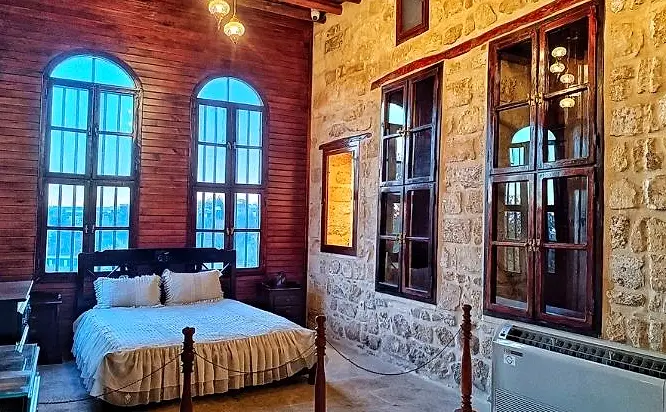
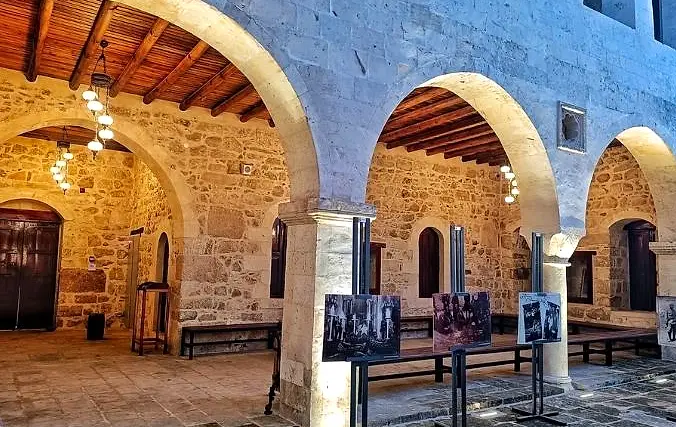
It is a fine example of Silvan's civil architecture: two floors of ashlar stone, round-arched windows and cornices under the eaves. The ground floor holds a kitchen and an open lounge, while upstairs are a study and the main room Atatürk used as his bedroom.
According to the Ministry’s listing it opens at 08:30 and closes at 17:00 (last entry 16:30). Closed: Monday.
No. This site sells no tickets. Topkapı Palace, the Basilica Cistern, Hagia Sophia and Dolmabahçe Palace are sold on our sister sites; for Silvan Atatürk House Museum, buy at the ticket office or on the Ministry’s official e-ticket system.
Silvan Atatürk House Museum is in Diyarbakır, Türkiye — Kale Mah.,22 Sokak, No:4 Silvan/Diyarbakır.
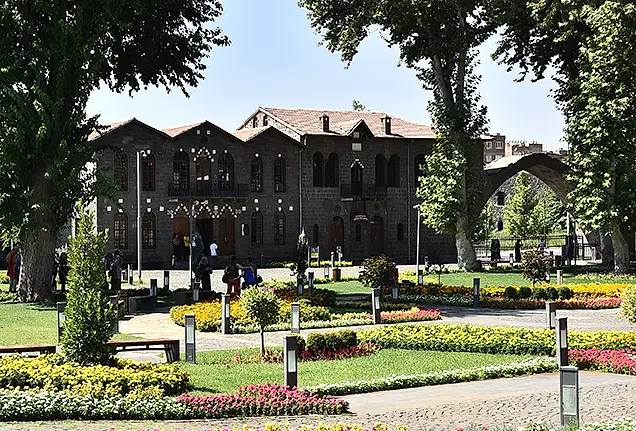
Diyarbakır's main archaeological collection, from the Stone Age villages of Çayönü to Ottoman times, with nearly thirty thousand inventoried pieces.
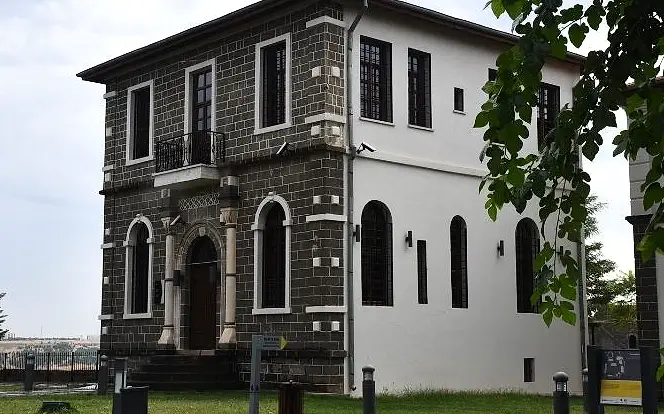
A century-old building in Diyarbakır's Inner Castle that once housed military headquarters and now honours Atatürk, next to some of the city's best sights.
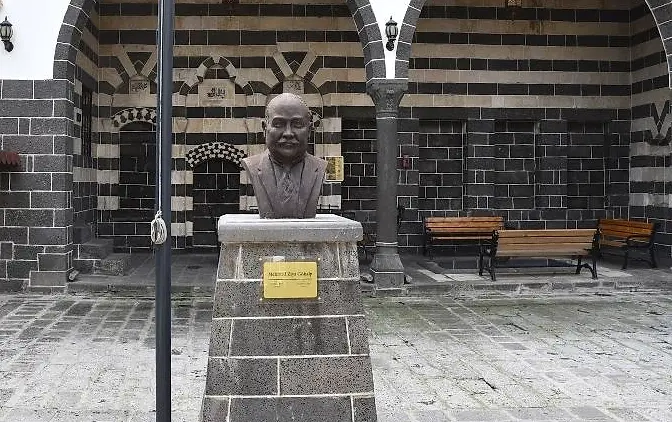
The nineteenth-century courtyard house where thinker and poet Ziya Gökalp was born in 1876, a distinctive example of Diyarbakır civil architecture.
Four Istanbul landmarks, each sold on its own site by the agency behind this guide — dated entry and free cancellation up to 24 hours.
The sultans’ palace on Sarayburnu: courtyards, the Imperial Council, the treasury and the terraces over the water. Dated entry, sold online on its own site.
Justinian’s great underground reservoir: 336 columns in still water and the two Medusa heads. Fast-track entry with a digital audio guide.
Justinian’s cathedral, the sultans’ mosque and a working mosque again today. The ticket admits you to the upper visitor gallery.
A nineteenth-century palace on the water’s edge: the Selamlık, the Ceremonial Hall under its chandelier, the crystal staircase and the Harem.


