
Topkapı Palace
The sultans’ palace on Sarayburnu: courtyards, the Imperial Council, the treasury and the terraces over the water. Dated entry, sold online on its own site.
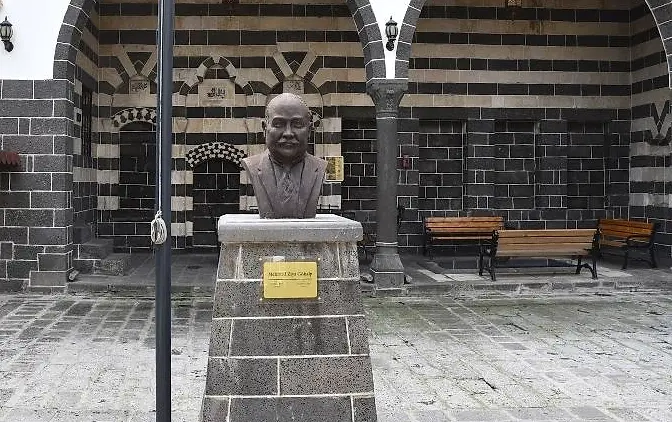
The nineteenth-century courtyard house where thinker and poet Ziya Gökalp was born in 1876, a distinctive example of Diyarbakır civil architecture.
Built in the nineteenth century, this is among the finest examples of Diyarbakır's civil architecture, yet it differs from most local houses. Three wings, each with a ground floor and a single upper floor, are arranged around a central courtyard. Where Diyarbakır houses usually put the pool in the middle of the yard, here it is tucked inside the iwan, an unusual layout. The house has the traditional harem and selamlık sections.
It passed to Ziya Gökalp's family in 1824, and the sociologist, writer and poet Ziya Gökalp was born here in 1876. On 23 March 1956 the harem section was expropriated by the provincial administration and the selamlık by the municipality. The Ministry of Culture and Tourism arranged the harem section as the Ziya Gökalp Museum and opened it to visitors.
The house sits in the old city among some of Diyarbakır's best-known sights, so it works as one stop in a longer walk.
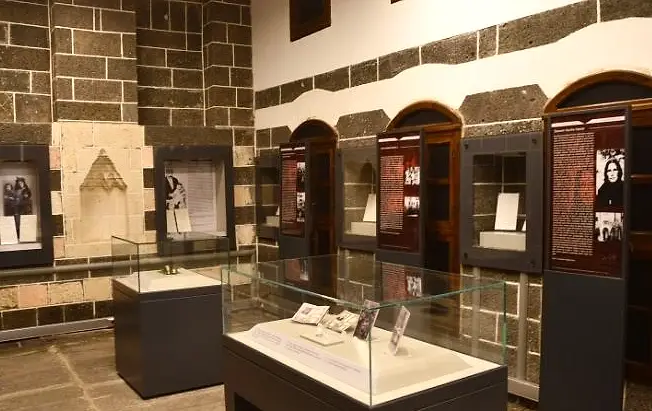
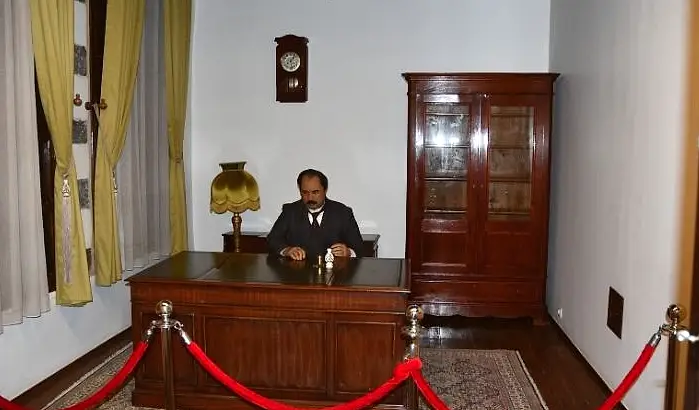
According to the Ministry’s listing it opens at 08:30 and closes at 17:00 (last entry 16:30). Closed: Monday.
No. This site sells no tickets. Topkapı Palace, the Basilica Cistern, Hagia Sophia and Dolmabahçe Palace are sold on our sister sites; for Ziya Gökalp Museum, buy at the ticket office or on the Ministry’s official e-ticket system.
Ziya Gökalp Museum is in Diyarbakır, Türkiye — Ziya Gökalp Mah. Gökalp Sokak No:7 Sur/Diyarbakır.
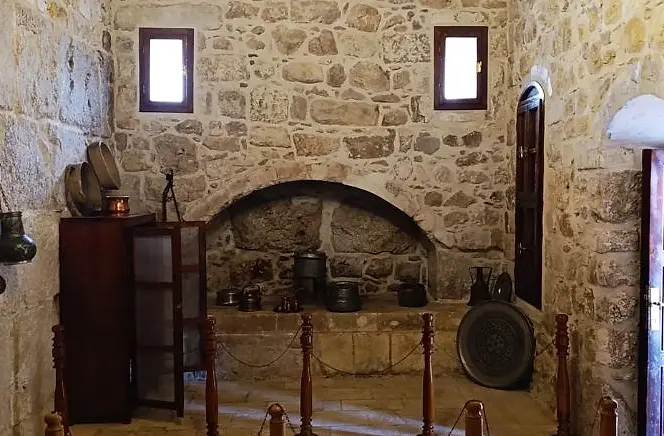
The stone mansion in Silvan where Mustafa Kemal stayed in 1916 as commander of the 16th Corps, reopened in 2024 after a fresh redesign.
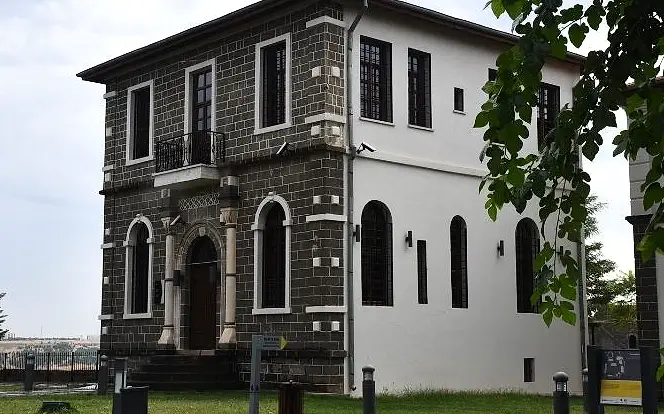
A century-old building in Diyarbakır's Inner Castle that once housed military headquarters and now honours Atatürk, next to some of the city's best sights.
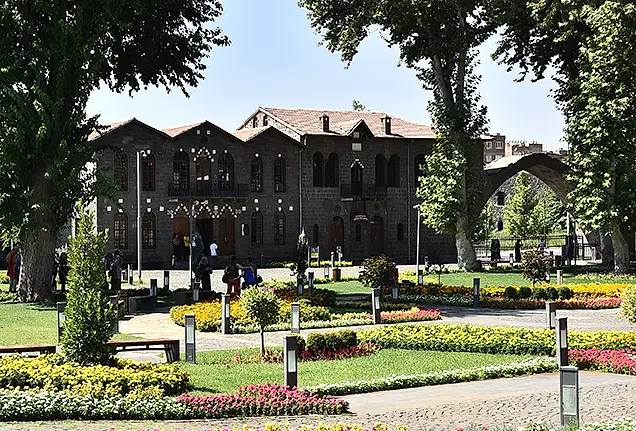
Diyarbakır's main archaeological collection, from the Stone Age villages of Çayönü to Ottoman times, with nearly thirty thousand inventoried pieces.
Four Istanbul landmarks, each sold on its own site by the agency behind this guide — dated entry and free cancellation up to 24 hours.
The sultans’ palace on Sarayburnu: courtyards, the Imperial Council, the treasury and the terraces over the water. Dated entry, sold online on its own site.
Justinian’s great underground reservoir: 336 columns in still water and the two Medusa heads. Fast-track entry with a digital audio guide.
Justinian’s cathedral, the sultans’ mosque and a working mosque again today. The ticket admits you to the upper visitor gallery.
A nineteenth-century palace on the water’s edge: the Selamlık, the Ceremonial Hall under its chandelier, the crystal staircase and the Harem.


