
Topkapı Palace
The sultans’ palace on Sarayburnu: courtyards, the Imperial Council, the treasury and the terraces over the water. Dated entry, sold online on its own site.
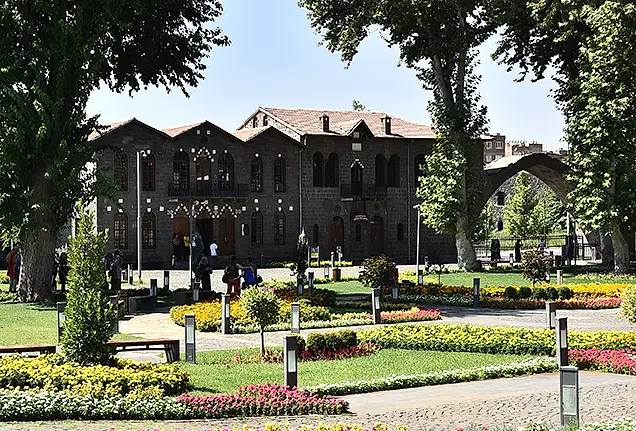
Diyarbakır's main archaeological collection, from the Stone Age villages of Çayönü to Ottoman times, with nearly thirty thousand inventoried pieces.
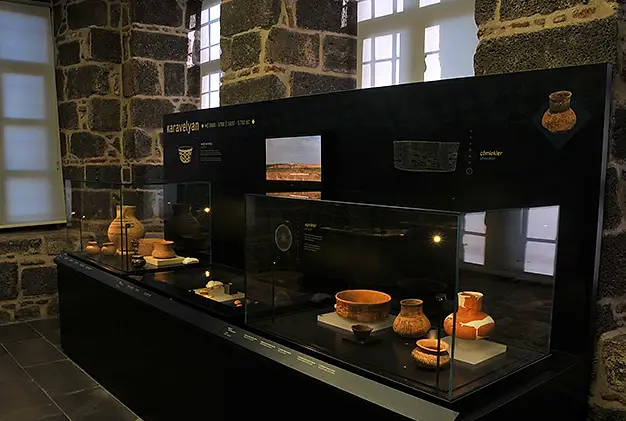
Diyarbakır's first museum opened in 1934 in the Zinciriye (Senceriye) Madrasa near the Great Mosque. It later moved to a building on Elazığ Street and opened to the public in 1993. The collection now belongs to the Diyarbakır Museum Complex, part of the Inner Castle project, where Courthouse A, built in 1889, hosts a chronological archaeological display.
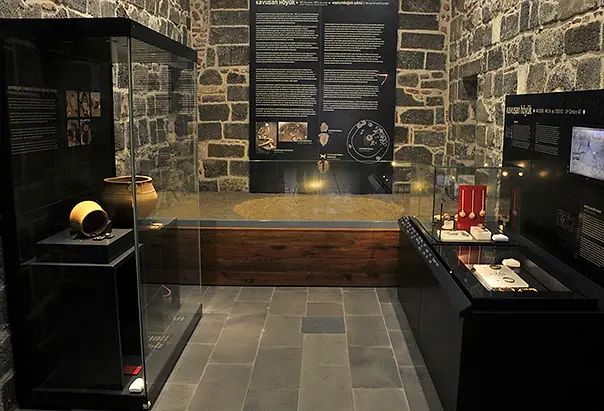
The holdings come from excavations, purchases and confiscations and run from prehistory through the Bronze Age, Urartian, Assyrian, Hellenistic, Roman, Byzantine, Seljuk, Akkoyunlu and Ottoman periods. Artuqid-era coins struck at Amida and a strong ethnographic section add variety. Around 29,000 objects are inventoried in all.
The museum's importance rests partly on its own fieldwork. It has worked at Çayönü and Hallançemi, key early Neolithic sites, and since 2000 has led rescue excavations linked to the Ilısu Dam, yielding finds of great importance for human history.
According to the Ministry’s listing it opens at 08:30 and closes at 19:00 (last entry 18:30). Closed: Monday.
No. This site sells no tickets. Topkapı Palace, the Basilica Cistern, Hagia Sophia and Dolmabahçe Palace are sold on our sister sites; for Diyarbakır Archaeology Museum, buy at the ticket office or on the Ministry’s official e-ticket system.
Diyarbakır Archaeology Museum is in Diyarbakır, Türkiye — Cevat Paşa Mahallesi, Hz. Süleyman Caddesi, No:43 İçkale.
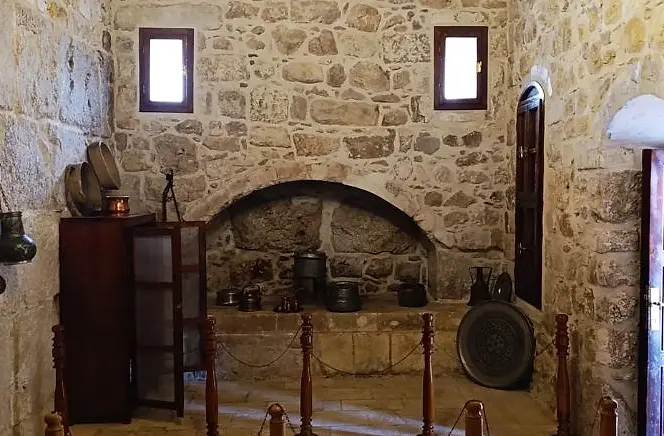
The stone mansion in Silvan where Mustafa Kemal stayed in 1916 as commander of the 16th Corps, reopened in 2024 after a fresh redesign.
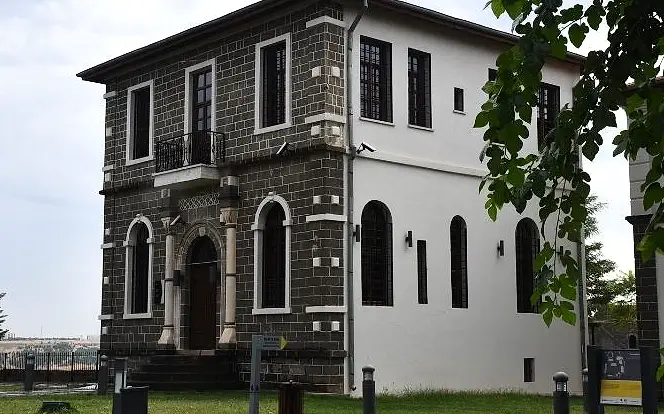
A century-old building in Diyarbakır's Inner Castle that once housed military headquarters and now honours Atatürk, next to some of the city's best sights.
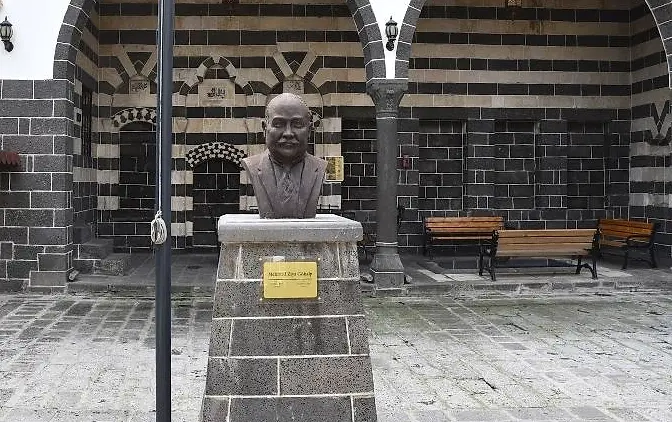
The nineteenth-century courtyard house where thinker and poet Ziya Gökalp was born in 1876, a distinctive example of Diyarbakır civil architecture.
Four Istanbul landmarks, each sold on its own site by the agency behind this guide — dated entry and free cancellation up to 24 hours.
The sultans’ palace on Sarayburnu: courtyards, the Imperial Council, the treasury and the terraces over the water. Dated entry, sold online on its own site.
Justinian’s great underground reservoir: 336 columns in still water and the two Medusa heads. Fast-track entry with a digital audio guide.
Justinian’s cathedral, the sultans’ mosque and a working mosque again today. The ticket admits you to the upper visitor gallery.
A nineteenth-century palace on the water’s edge: the Selamlık, the Ceremonial Hall under its chandelier, the crystal staircase and the Harem.


