
Topkapı Palace
The sultans’ palace on Sarayburnu: courtyards, the Imperial Council, the treasury and the terraces over the water. Dated entry, sold online on its own site.
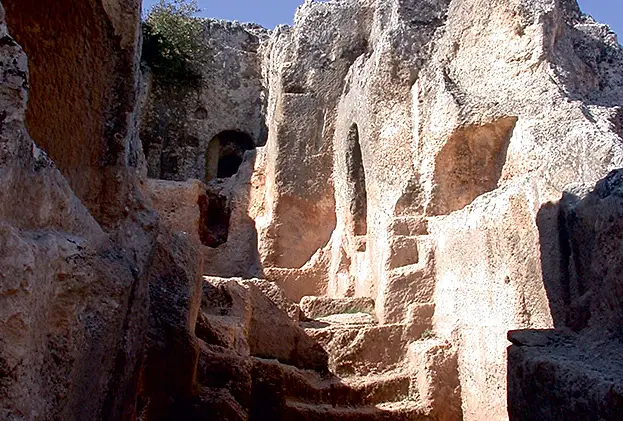
An ancient city of the Kingdom of Commagene, set on a road between Malatya and Samsat, with a necropolis, mosaics and a spring that still draws visitors.
Perre, known in Mesopotamia as Pirin or Perin, was one of the five great cities of the Kingdom of Commagene, which lasted from 163 BC to AD 72. Its importance came from its location on the road linking Melitene, today's Malatya, with the capital Samosata, now Samsat. Armies, caravans and soldiers used to stop here for the beauty and taste of the spring water, which still attracts people today.
The city stayed important in Roman times. In the Byzantine period, when it was known as Hierapolis, the Holy City, it lay on a great road connecting the western world with Persia. Its religious weight is shown by its bishop's presence at the council held in Nicaea, now İznik, in AD 325. After the Byzantine period the city lost its significance.
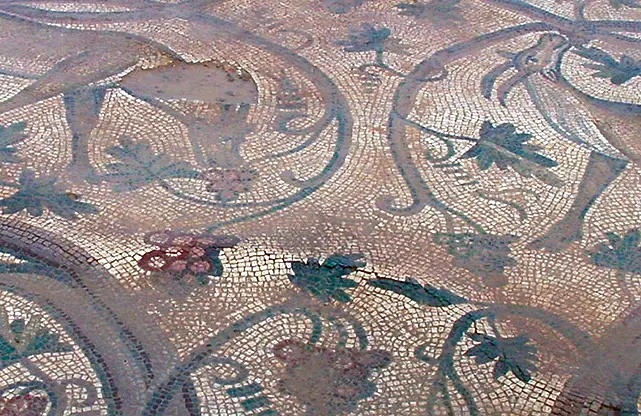
Cleaning and excavation under the Adıyaman Museum between 2001 and 2009 brought the necropolis and a mosaic area to light. The site is a good match for anyone interested in Commagene, the little kingdom of Adıyaman province better known for Mount Nemrut.
According to the Ministry’s listing it opens at 08:00 and closes at 17:30 (last entry 17:00). Open every day.
No. This site sells no tickets. Topkapı Palace, the Basilica Cistern, Hagia Sophia and Dolmabahçe Palace are sold on our sister sites; for Perre Archaeological Site, buy at the ticket office or on the Ministry’s official e-ticket system.
Perre Archaeological Site is in Adıyaman, Türkiye — Örenli Mahallesi.
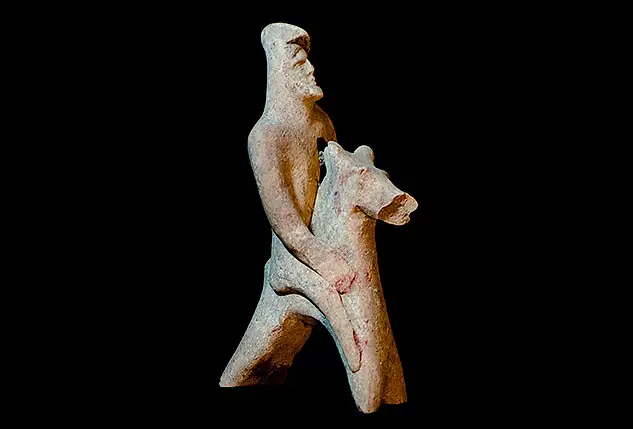
A regional museum of Commagene and the Lower Euphrates, with finds from prehistoric tools to Roman mosaics, plus a garden of stone monuments.
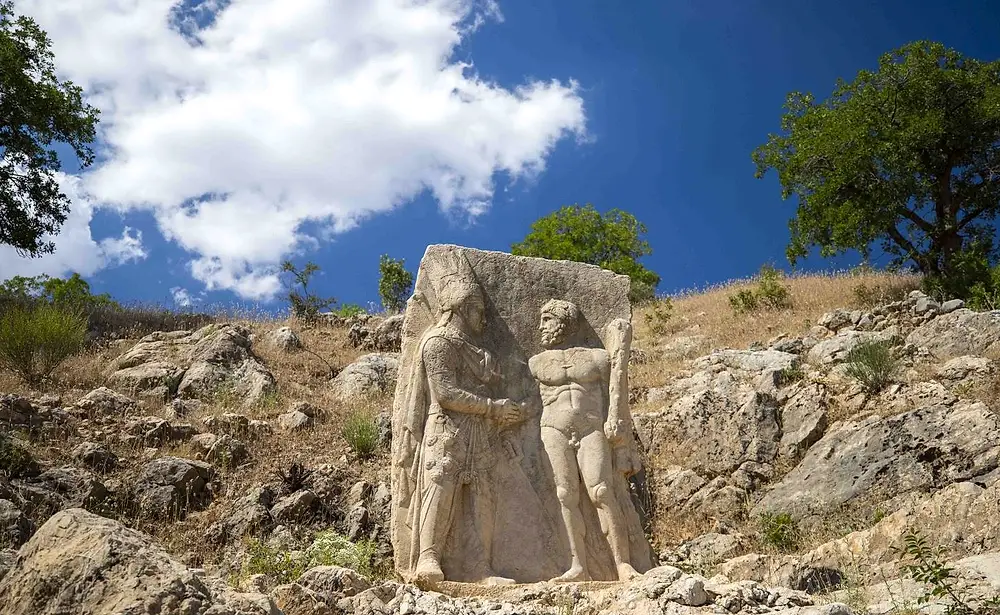
The summer capital of the Kingdom of Commagene, near Kahta: a hilltop with a long Greek cult inscription, a stepped tunnel and rock reliefs of gods and kings shaking hands.
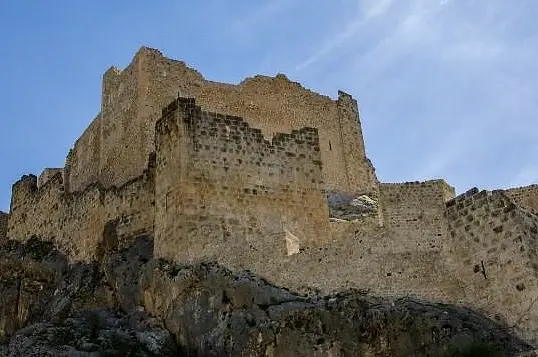
A fortress on a sheer mountaintop near Kahta, with palaces, a mosque, cisterns and a hidden pigeon loft, on the road to Mount Nemrut.
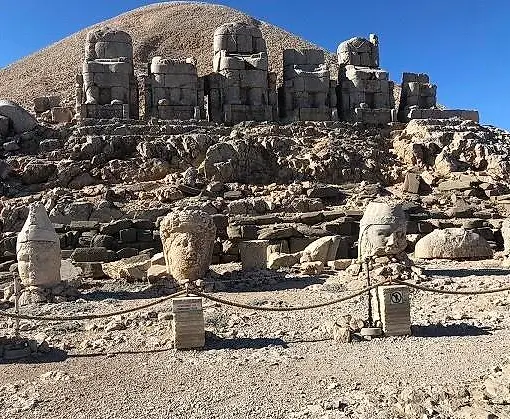
Giant Hellenistic statues of King Antiochos I and his gods on a summit above 2,000 metres in Adıyaman, a UNESCO site famous for sunrise.
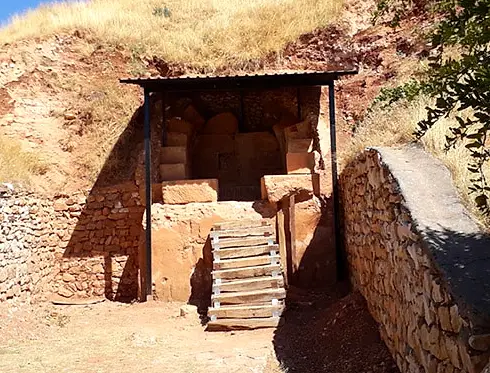
A first-century AD burial mound in Adıyaman with a stone-built chamber, a vaulted corridor and two sarcophagi, hidden under a 15 m earthen tumulus.
Four Istanbul landmarks, each sold on its own site by the agency behind this guide — dated entry and free cancellation up to 24 hours.
The sultans’ palace on Sarayburnu: courtyards, the Imperial Council, the treasury and the terraces over the water. Dated entry, sold online on its own site.
Justinian’s great underground reservoir: 336 columns in still water and the two Medusa heads. Fast-track entry with a digital audio guide.
Justinian’s cathedral, the sultans’ mosque and a working mosque again today. The ticket admits you to the upper visitor gallery.
A nineteenth-century palace on the water’s edge: the Selamlık, the Ceremonial Hall under its chandelier, the crystal staircase and the Harem.


