
Topkapı Palace
The sultans’ palace on Sarayburnu: courtyards, the Imperial Council, the treasury and the terraces over the water. Dated entry, sold online on its own site.
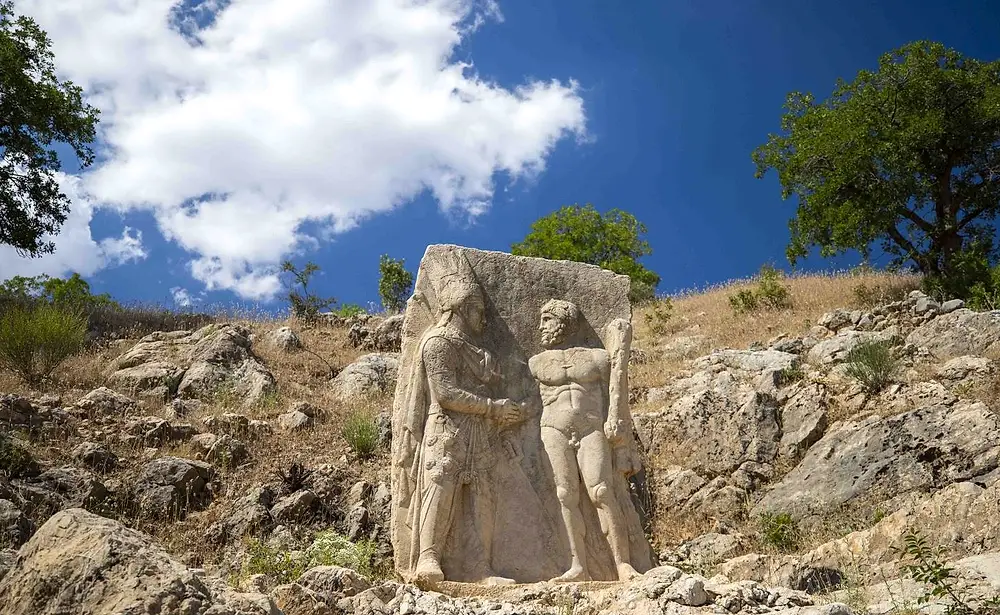
The summer capital of the Kingdom of Commagene, near Kahta: a hilltop with a long Greek cult inscription, a stepped tunnel and rock reliefs of gods and kings shaking hands.
Arsameia was the summer capital and administrative centre of the Kingdom of Commagene, whose rulers left remarkable monuments to the world. The kings tried to blend Eastern and Western culture, and the site reflects a Greek-Persian ideal that they created. It stands above the Kahta Stream.
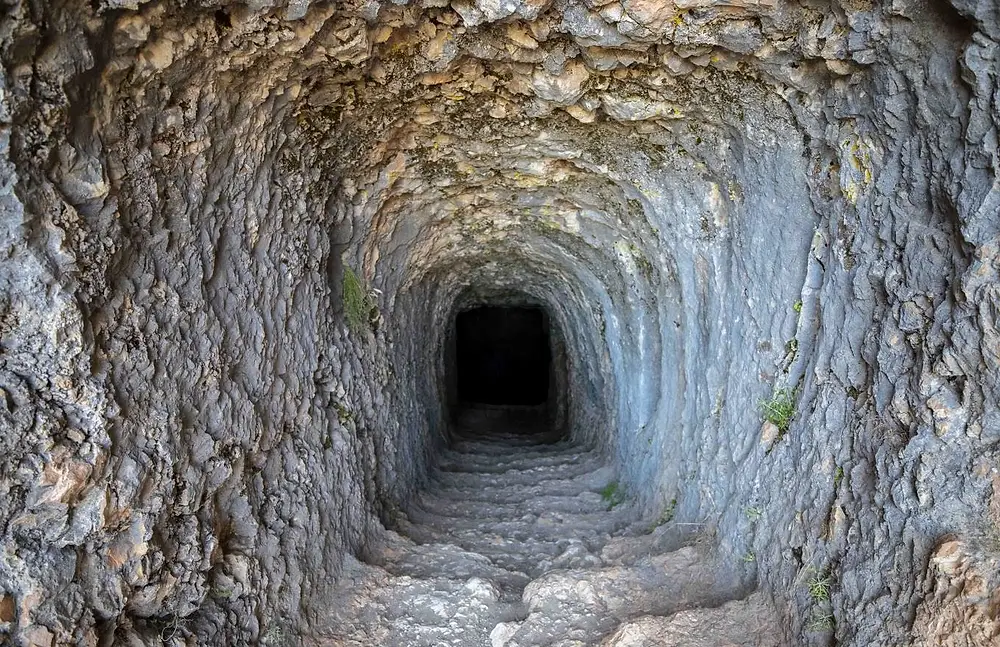
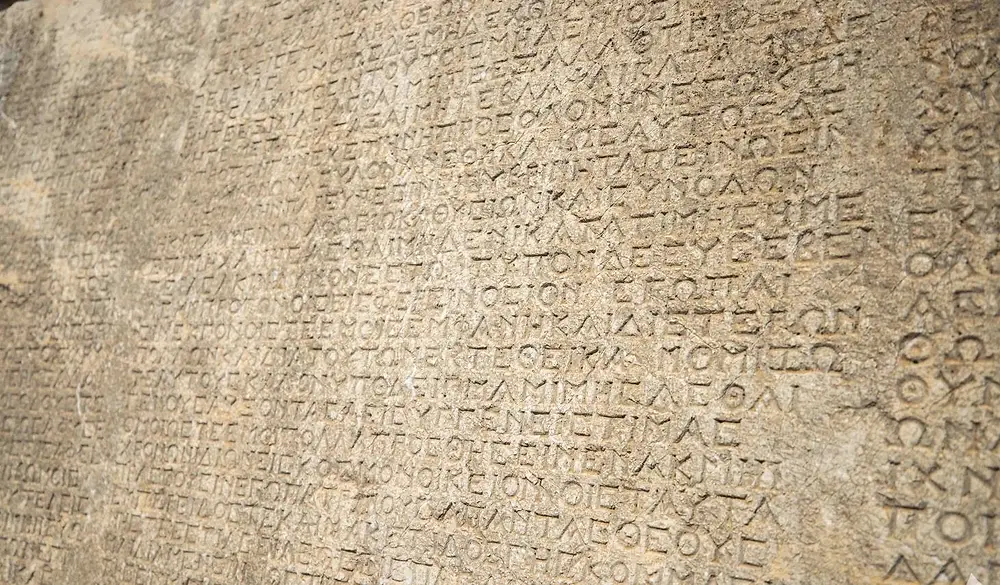
The first thing to look for is the cult inscription, the longest Greek inscription in Anatolia from its period. It records the founding of the city, the laws of the kingdom, the royal lineage, buildings and reliefs, religious structures and the rituals to be performed. Just below it a steep stepped tunnel descends for 158.1 metres; what it was for is still unknown.
A processional way climbs to the summer palace and the tomb of Mithridates Kallinikos. Along it stand relief carvings of gods and kings, shown shaking hands: Antiochus I, Heracles, Mithridates Kallinikos, and scenes from Persian tradition.
According to the Ministry’s listing it opens at 08:00 and closes at 17:30 (last entry 17:00). Open every day.
No. This site sells no tickets. Topkapı Palace, the Basilica Cistern, Hagia Sophia and Dolmabahçe Palace are sold on our sister sites; for Arsameia Archaeological Site, buy at the ticket office or on the Ministry’s official e-ticket system.
Arsameia Archaeological Site is in Adıyaman, Türkiye — Kahta.
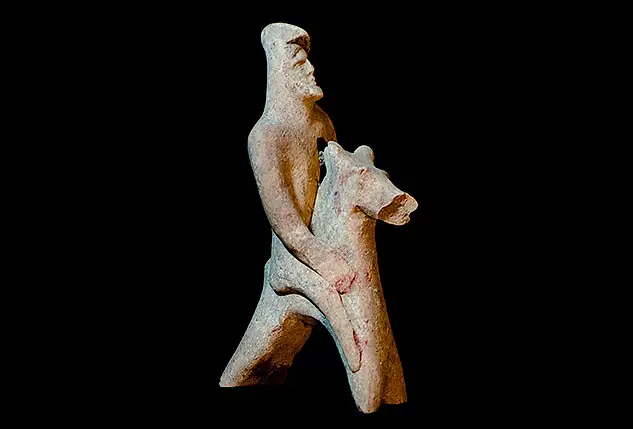
A regional museum of Commagene and the Lower Euphrates, with finds from prehistoric tools to Roman mosaics, plus a garden of stone monuments.
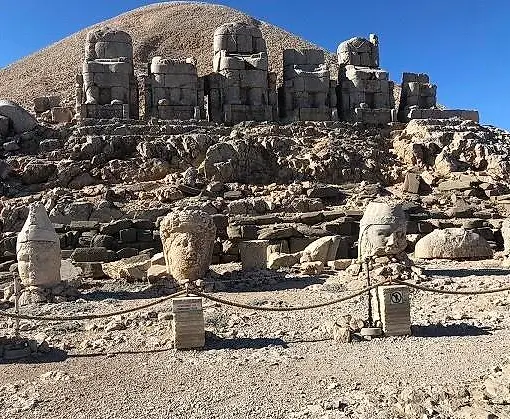
Giant Hellenistic statues of King Antiochos I and his gods on a summit above 2,000 metres in Adıyaman, a UNESCO site famous for sunrise.
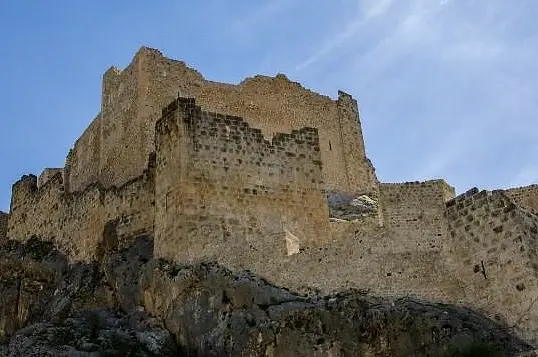
A fortress on a sheer mountaintop near Kahta, with palaces, a mosque, cisterns and a hidden pigeon loft, on the road to Mount Nemrut.
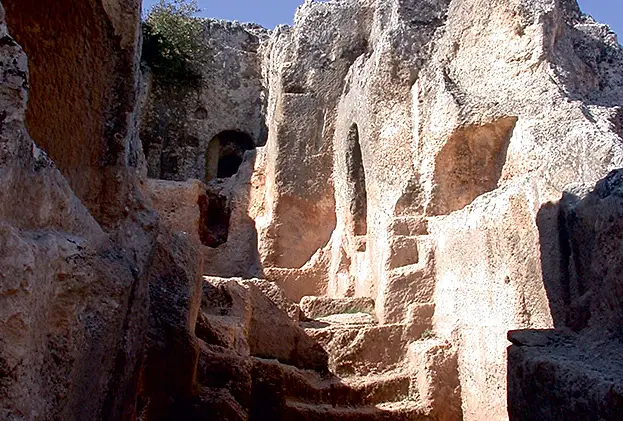
An ancient city of the Kingdom of Commagene, set on a road between Malatya and Samsat, with a necropolis, mosaics and a spring that still draws visitors.
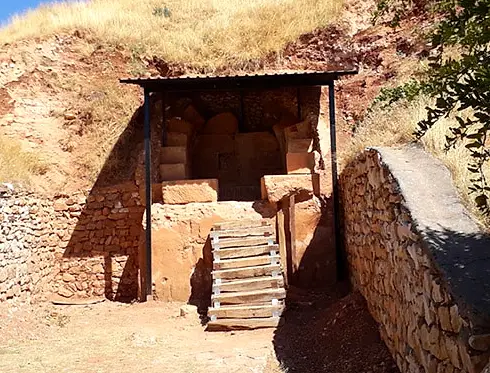
A first-century AD burial mound in Adıyaman with a stone-built chamber, a vaulted corridor and two sarcophagi, hidden under a 15 m earthen tumulus.
Four Istanbul landmarks, each sold on its own site by the agency behind this guide — dated entry and free cancellation up to 24 hours.
The sultans’ palace on Sarayburnu: courtyards, the Imperial Council, the treasury and the terraces over the water. Dated entry, sold online on its own site.
Justinian’s great underground reservoir: 336 columns in still water and the two Medusa heads. Fast-track entry with a digital audio guide.
Justinian’s cathedral, the sultans’ mosque and a working mosque again today. The ticket admits you to the upper visitor gallery.
A nineteenth-century palace on the water’s edge: the Selamlık, the Ceremonial Hall under its chandelier, the crystal staircase and the Harem.


