
Topkapı Palace
The sultans’ palace on Sarayburnu: courtyards, the Imperial Council, the treasury and the terraces over the water. Dated entry, sold online on its own site.
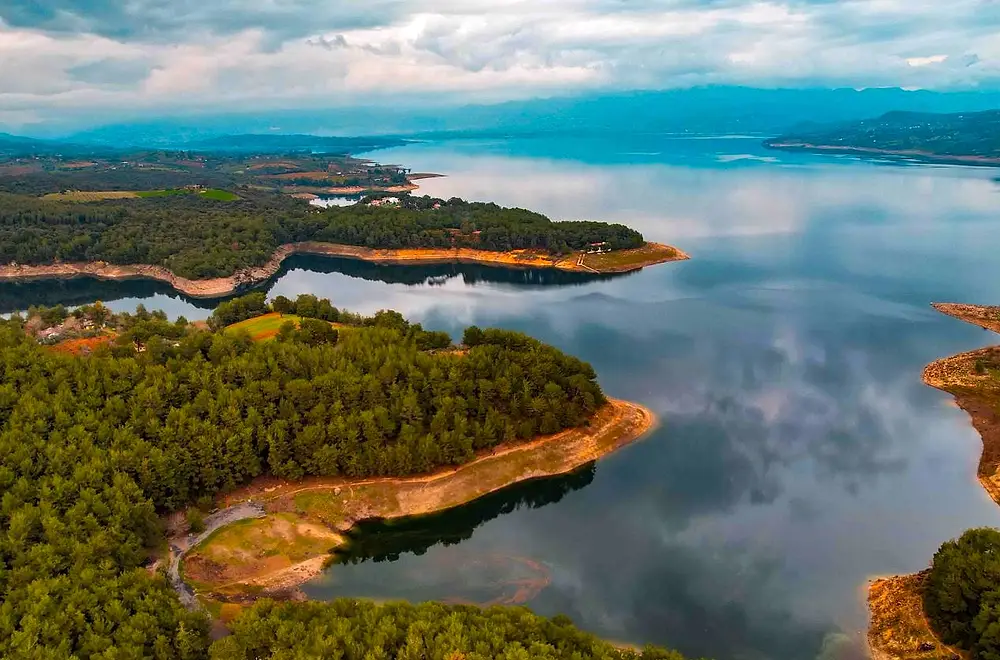
An open-air museum in a forested reserve on the Ceyhan River: a late Hittite border fortress with gates guarded by carved lions and long inscriptions.
Karatepe-Aslantaş is a fortress from the last phase of the Hittite world, around 700 BC, in the foothills of the Taurus Mountains. Its ancient name was Azativataya. It stood on the western bank of the Ceyhan River, 20 kilometres from Kadirli in Osmaniye province, where it commanded two routes at once: the Akyol road used by Phoenician caravans and the river, along which cedar logs were rafted down to the Mediterranean for shipbuilding.
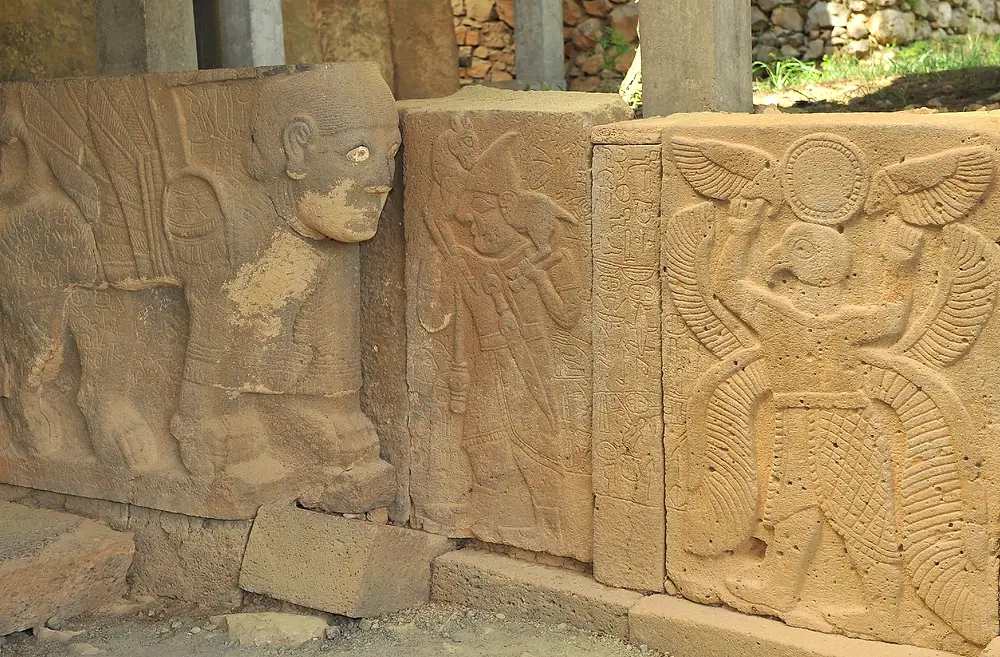
The place came to light in 1945–46. A team led by Professor H. Th. Bossert had heard rumours of a stone lion east of Kadirli. In February 1946 Bossert, the archaeologist Halet Çambel and Naci Kum, the director of the Adana Museum, reached the spot after a hard journey, the last part on horseback with a local schoolteacher as guide. What they found changed the field: the inscriptions here, written in Phoenician and in hieroglyphic Luwian, helped scholars decipher the latter.
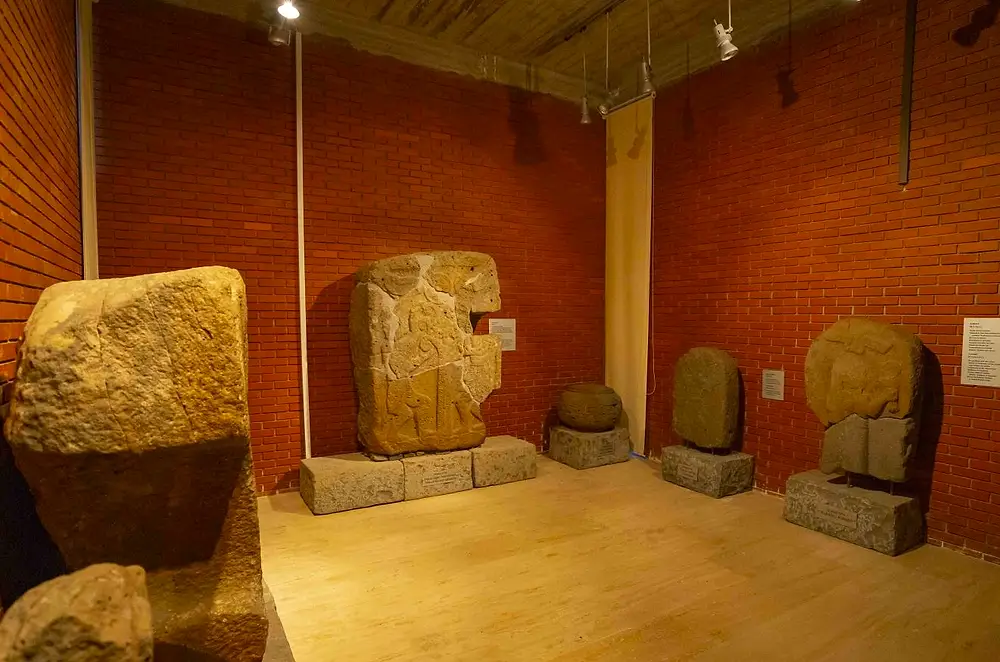
Today the ruins are shown as an open-air museum among trees. Gateways framed by carved lions, reliefs and inscribed stones make it one of the most atmospheric Iron Age sites in Turkey.
According to the Ministry’s listing it opens at 09:00 and closes at 18:00 (last entry 17:30). Open every day.
No. This site sells no tickets. Topkapı Palace, the Basilica Cistern, Hagia Sophia and Dolmabahçe Palace are sold on our sister sites; for Karatepe-Aslantaş Museum and Archaeological Site, buy at the ticket office or on the Ministry’s official e-ticket system.
Karatepe-Aslantaş Museum and Archaeological Site is in Osmaniye, Türkiye — Kızyusuflu Köyü Cennetler Mah. No:45, Kadirli Merkez.
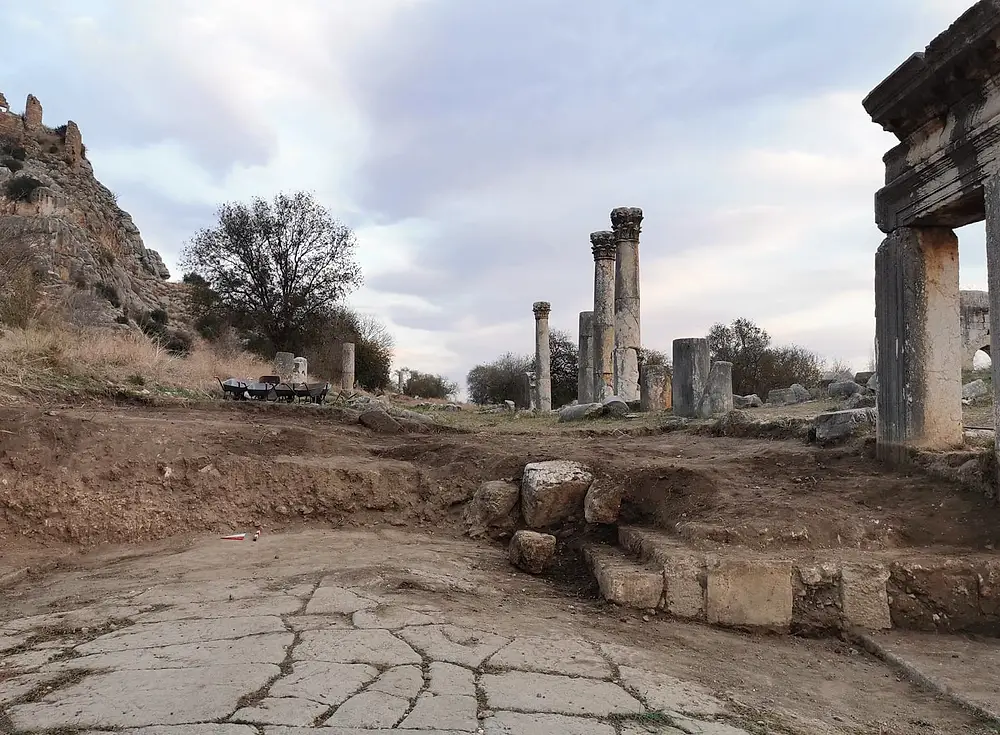
A Roman-era city in Cilicia with a colonnaded street, theatre and baths, and an important sanctuary of Artemis Perasia, set in a small plain by the Ceyhan River.
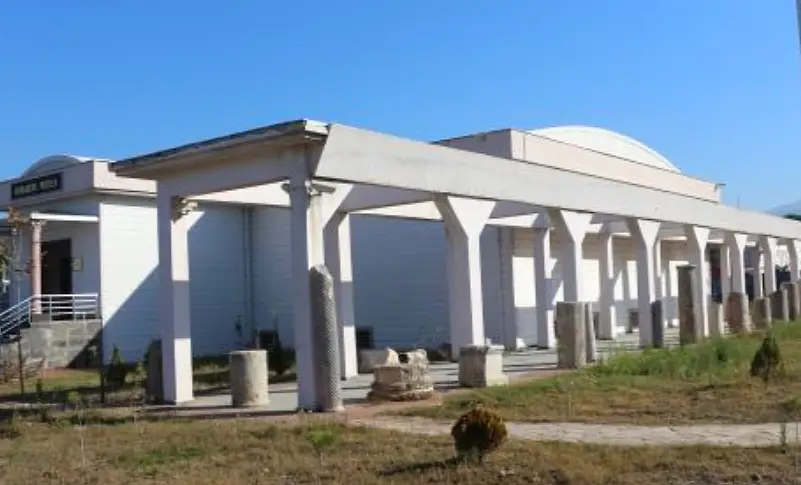
The provincial museum of Osmaniye, set on a large plot beside the Cebelibereket Cultural Centre. Its display is still being prepared and it is not yet open to visitors.
Four Istanbul landmarks, each sold on its own site by the agency behind this guide — dated entry and free cancellation up to 24 hours.
The sultans’ palace on Sarayburnu: courtyards, the Imperial Council, the treasury and the terraces over the water. Dated entry, sold online on its own site.
Justinian’s great underground reservoir: 336 columns in still water and the two Medusa heads. Fast-track entry with a digital audio guide.
Justinian’s cathedral, the sultans’ mosque and a working mosque again today. The ticket admits you to the upper visitor gallery.
A nineteenth-century palace on the water’s edge: the Selamlık, the Ceremonial Hall under its chandelier, the crystal staircase and the Harem.


