
Topkapı Palace
The sultans’ palace on Sarayburnu: courtyards, the Imperial Council, the treasury and the terraces over the water. Dated entry, sold online on its own site.
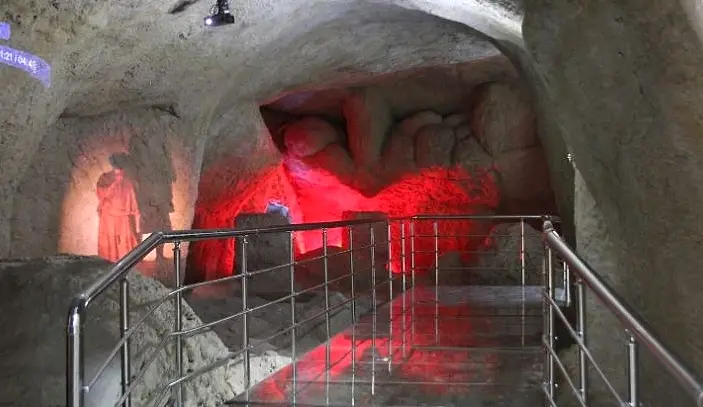
Kahramanmaraş's archaeological museum, in seven halls, with the Maraş Lion, a huge ancient elephant skeleton, Direkli Cave finds and mosaics from prehistory to Byzantium.
Kahramanmaraş lies on the Mediterranean side of Türkiye and its history reaches back some 14,000 years. The city's first museum was set up in 1947 in the 16th-century Stone Madrasa, moved to Kahramanmaraş Castle in 1961 and to the current building in 1975. It was re-displayed in 2012 to a modern museum concept. Traces of museum-keeping here go back to Seljuk times, and under the Dulkadirids unique Late Hittite stelae were displayed in the castle.
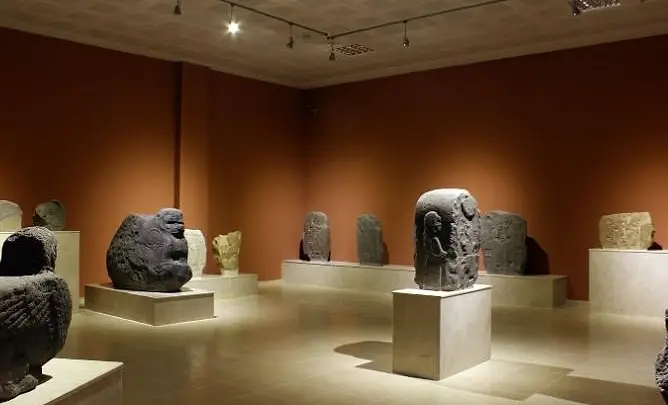
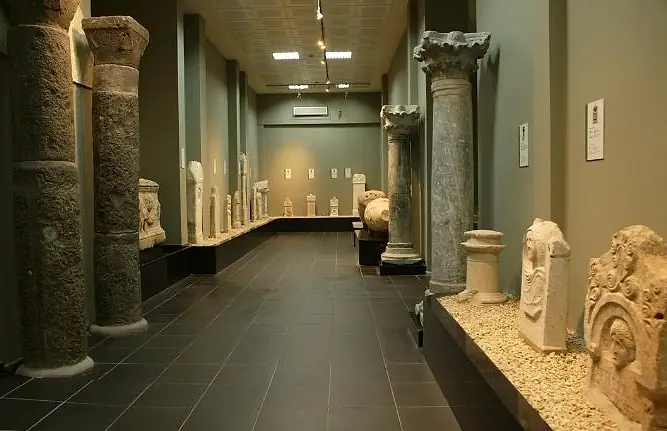
The collection covers the Palaeolithic, Neolithic, Chalcolithic, Bronze, Iron, Greek, Roman and Byzantine periods across seven halls: Ancient Elephant, Direkli Cave, Excavation and Reenactment, Domuztepe Höyük, Late Hittite Works, Mosaics, Stone Works and a chronological archaeology hall. The garden has open-air displays as well.
Highlights include the Great Maraş Elephant, dating to about 1400 BC, the Maraş Lion statue from the time of King Halparuntiya III of Gurgum (810-783 BC), and a small terracotta mother goddess figurine of about 10,000 BC from Direkli Cave, only 2.6 cm tall.
According to the Ministry’s listing it opens at 08:00 and closes at 17:00 (last entry 16:30). Open every day.
No. This site sells no tickets. Topkapı Palace, the Basilica Cistern, Hagia Sophia and Dolmabahçe Palace are sold on our sister sites; for Kahramanmaraş Museum, buy at the ticket office or on the Ministry’s official e-ticket system.
Kahramanmaraş Museum is in Kahramanmaraş, Türkiye — Azerbaycan Bulvarı No:35,PK:46100.
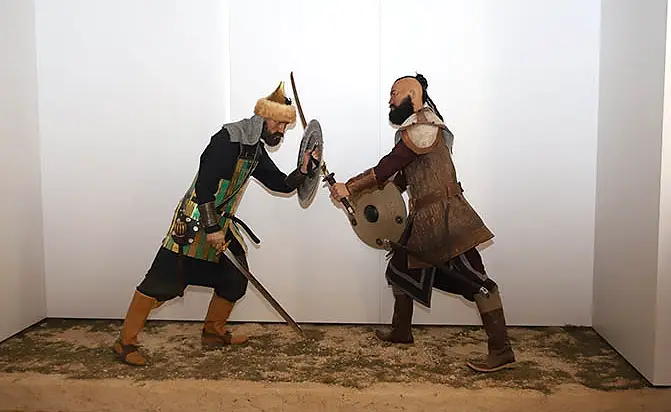
A 1926 government house turned museum, telling Elbistan's history, cuisine, industry and crafts alongside its Antique and Islamic heritage.
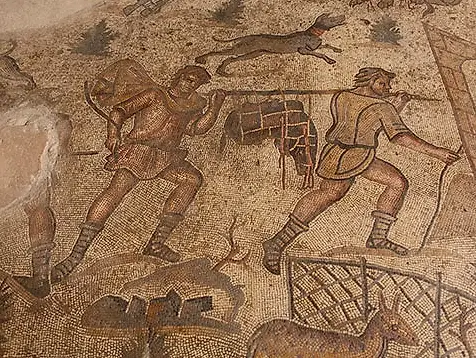
A protected archaeological zone in Kahramanmaraş where late Roman and early Byzantine floor mosaics were found in the ancient city of Germanicia. Temporarily closed.
Four Istanbul landmarks, each sold on its own site by the agency behind this guide — dated entry and free cancellation up to 24 hours.
The sultans’ palace on Sarayburnu: courtyards, the Imperial Council, the treasury and the terraces over the water. Dated entry, sold online on its own site.
Justinian’s great underground reservoir: 336 columns in still water and the two Medusa heads. Fast-track entry with a digital audio guide.
Justinian’s cathedral, the sultans’ mosque and a working mosque again today. The ticket admits you to the upper visitor gallery.
A nineteenth-century palace on the water’s edge: the Selamlık, the Ceremonial Hall under its chandelier, the crystal staircase and the Harem.


