
Topkapı Palace
The sultans’ palace on Sarayburnu: courtyards, the Imperial Council, the treasury and the terraces over the water. Dated entry, sold online on its own site.
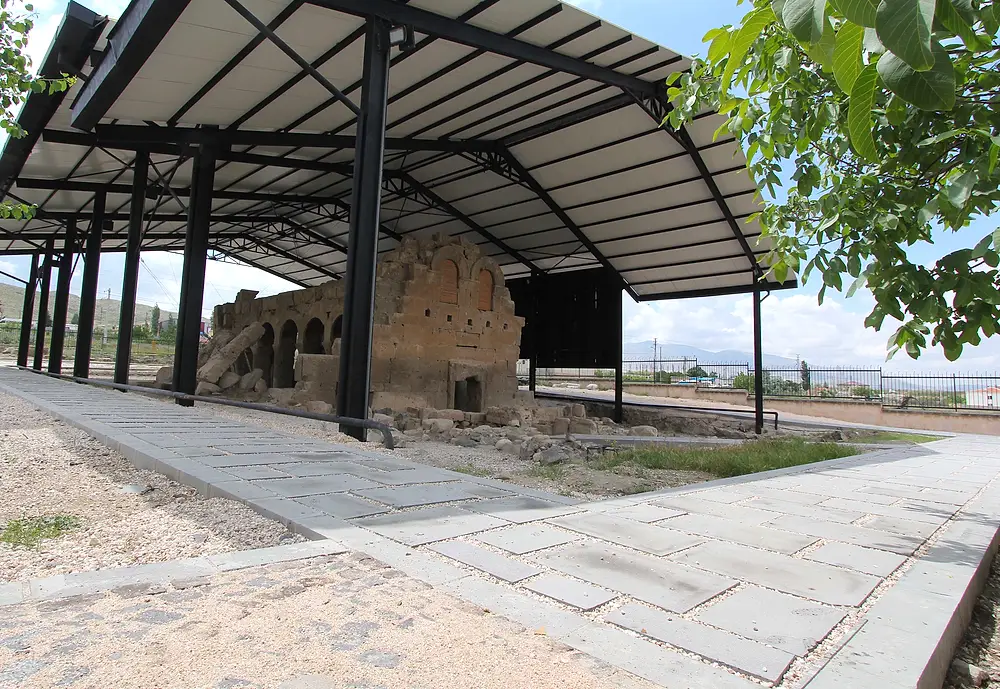
A late antique military post near Niğde, best known for its 5th- or 6th-century Church of Constantine and Helena, with wall paintings and a basilica plan.
The settlement appears in historical sources as Andabalis, Adualis and Ambabalis. In Late Antiquity it was a military garrison on the road that ran from the capital Istanbul to Cilicia and, from there, on to the Holy Land. Tradition says that Helena, the mother of Constantine the Great, had churches built in the area during her pilgrimage in the first half of the 4th century.
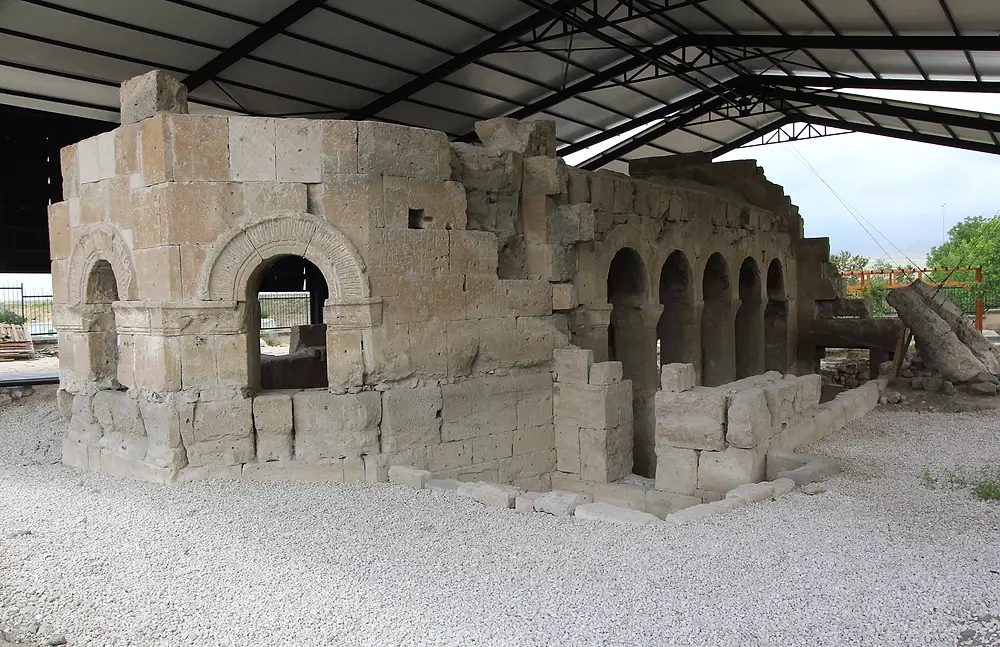
The church that survives, the Church of Constantine and Helena, is thought to date from the 5th or 6th century, standing on or near the site of a church Helena built. It lies in the Yeni Mahalle quarter of Aktaş, about eight kilometres north-east of Niğde. It has a basilica plan with three aisles, a single apse and a flat wooden roof, a layout typical of the Byzantine architecture of that period.
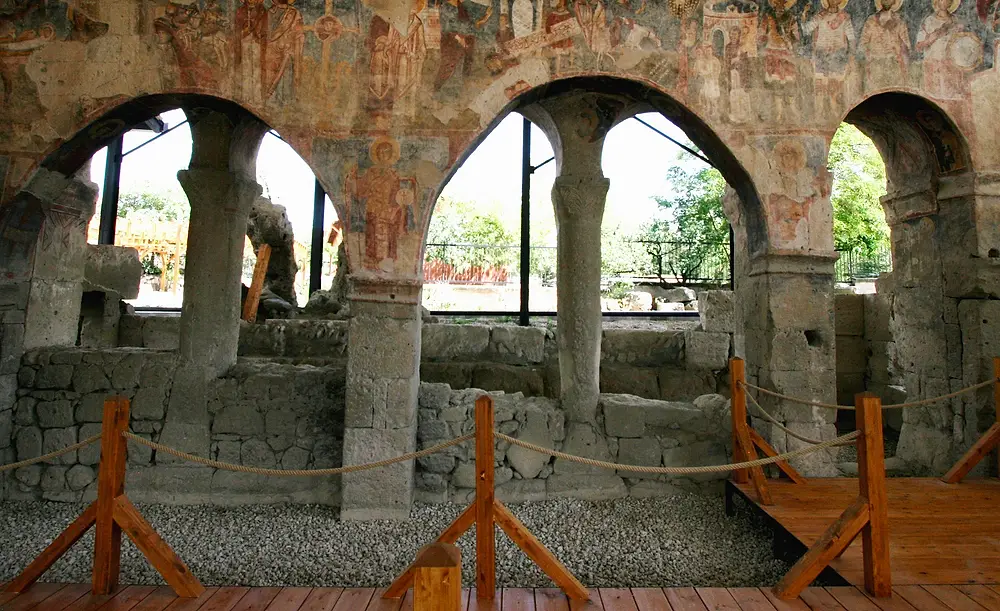
After the Turkish conquest of Anatolia in the 11th century the church stayed open for the worship of local non-Muslim communities. Wall paintings, some in fresco and some in secco, survive on the west wall, on the window arches of the middle aisle and on the wall between the middle and north aisles. Researchers of the 20th century recorded that the paintings had three layers, and that the side aisles had been removed in earlier times, so the building you see is a survivor of a larger church.
According to the Ministry’s listing it opens at 08:30 and closes at 17:30 (last entry 17:00). Open every day.
No. This site sells no tickets. Topkapı Palace, the Basilica Cistern, Hagia Sophia and Dolmabahçe Palace are sold on our sister sites; for Andaval Archaeological Site, buy at the ticket office or on the Ministry’s official e-ticket system.
Andaval Archaeological Site is in Niğde, Türkiye — Yeni Mahalle Aktaş Kasabası Merkez/Niğde.
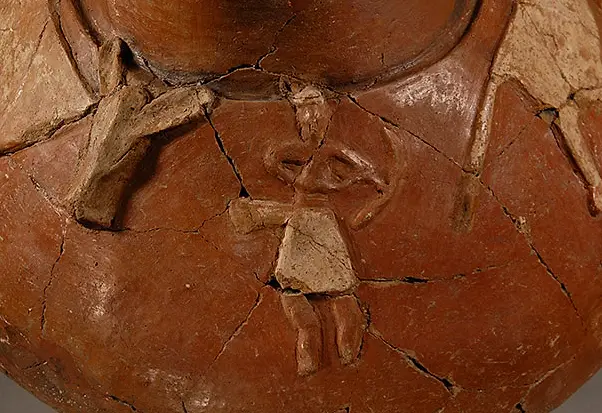
A chronological walk through six halls, from Palaeolithic obsidian tools and a Chalcolithic house to Assyrian-era palace finds from Acemhöyük.
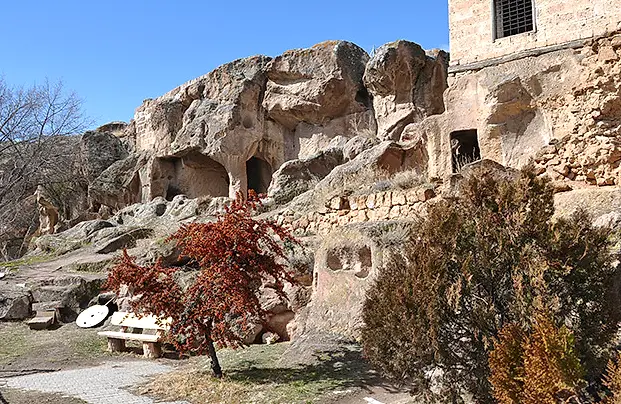
A rock-cut Byzantine monastery near Niğde with a courtyard, a frescoed church and an underground city, among Cappadocia's best preserved.
Four Istanbul landmarks, each sold on its own site by the agency behind this guide — dated entry and free cancellation up to 24 hours.
The sultans’ palace on Sarayburnu: courtyards, the Imperial Council, the treasury and the terraces over the water. Dated entry, sold online on its own site.
Justinian’s great underground reservoir: 336 columns in still water and the two Medusa heads. Fast-track entry with a digital audio guide.
Justinian’s cathedral, the sultans’ mosque and a working mosque again today. The ticket admits you to the upper visitor gallery.
A nineteenth-century palace on the water’s edge: the Selamlık, the Ceremonial Hall under its chandelier, the crystal staircase and the Harem.


