
Topkapı Palace
The sultans’ palace on Sarayburnu: courtyards, the Imperial Council, the treasury and the terraces over the water. Dated entry, sold online on its own site.
A chronological walk through six halls, from Palaeolithic obsidian tools and a Chalcolithic house to Assyrian-era palace finds from Acemhöyük.
On September 30, 2026 the Ministry’s listing showed this museum as closed to visitors. Check the official page before planning a visit.
Niğde's museum story began in the Second World War, when the Akmedrese was used as a store for Istanbul's archaeological museums. The Akmedrese opened as Niğde Museum in 1957, the collection moved to a new building in 1977, and a fresh display reopened in 2001. Today six halls follow the region's story in chronological order, from the Palaeolithic to recent centuries.
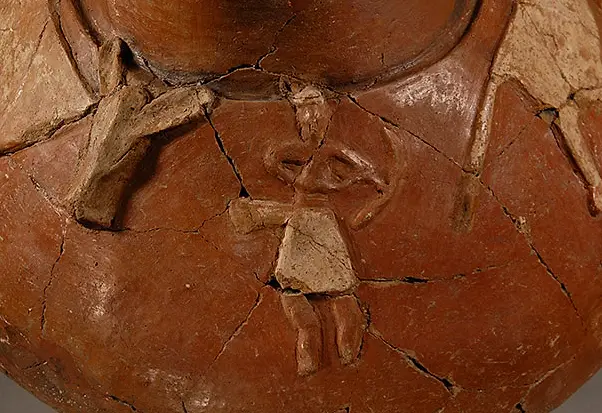
The first hall is devoted to prehistory. Obsidian tools from the Kaletepe workshop and from Pınarbaşı, Köşk and Tepecik mounds show how volcanic glass from this part of Anatolia became a valued raw material. Köşk Höyük also provides grave finds, god and goddess figurines, an anthropomorphic vase and a full-scale reconstruction of a Chalcolithic house.
The second hall moves into the Bronze Age. Finds from the mining village at Göltepe sit beside the entrance of the ancient Kestel tin mine, Hoker-style burials with their grave goods, and objects from Ulukışla. The palace finds from Acemhöyük belong to the age of the Assyrian trade colonies, when merchants from Mesopotamia did business across central Anatolia. Later halls carry the story forward.
According to the Ministry’s listing it opens at 00:00 and closes at 00:00.
No. This site sells no tickets. Topkapı Palace, the Basilica Cistern, Hagia Sophia and Dolmabahçe Palace are sold on our sister sites; for Niğde Museum, buy at the ticket office or on the Ministry’s official e-ticket system.
Niğde Museum is in Niğde, Türkiye — Yukarı Kayabaşı Mahallesi,Dışarı Cami Sokak,No: 11.
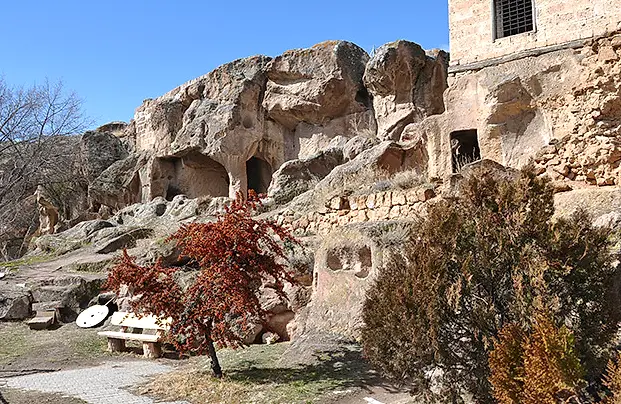
A rock-cut Byzantine monastery near Niğde with a courtyard, a frescoed church and an underground city, among Cappadocia's best preserved.
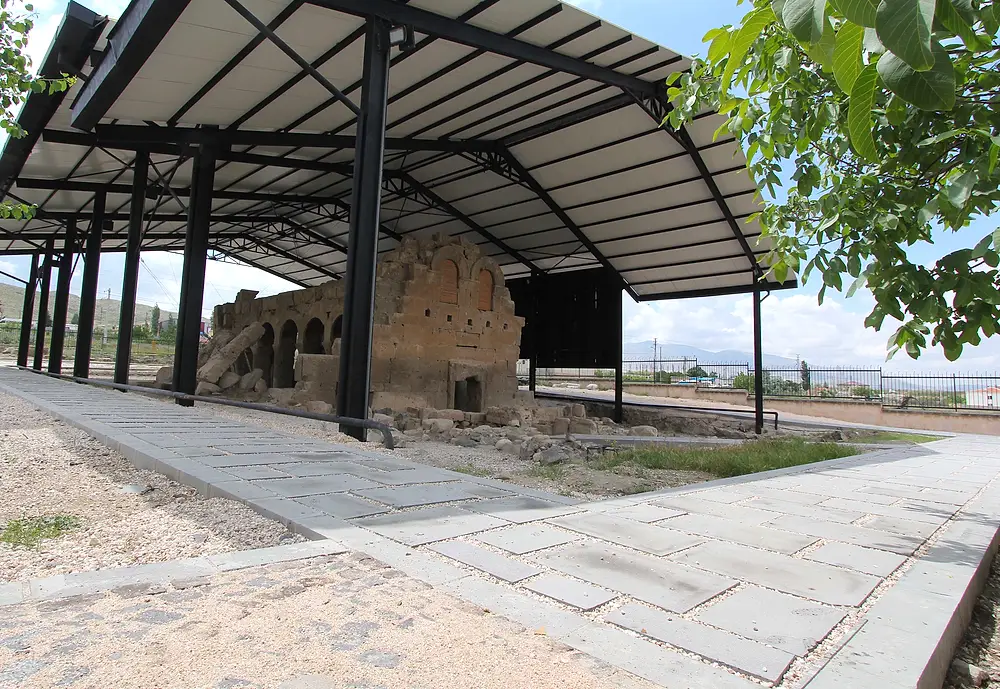
A late antique military post near Niğde, best known for its 5th- or 6th-century Church of Constantine and Helena, with wall paintings and a basilica plan.
Four Istanbul landmarks, each sold on its own site by the agency behind this guide — dated entry and free cancellation up to 24 hours.
The sultans’ palace on Sarayburnu: courtyards, the Imperial Council, the treasury and the terraces over the water. Dated entry, sold online on its own site.
Justinian’s great underground reservoir: 336 columns in still water and the two Medusa heads. Fast-track entry with a digital audio guide.
Justinian’s cathedral, the sultans’ mosque and a working mosque again today. The ticket admits you to the upper visitor gallery.
A nineteenth-century palace on the water’s edge: the Selamlık, the Ceremonial Hall under its chandelier, the crystal staircase and the Harem.


