
Topkapı Palace
The sultans’ palace on Sarayburnu: courtyards, the Imperial Council, the treasury and the terraces over the water. Dated entry, sold online on its own site.
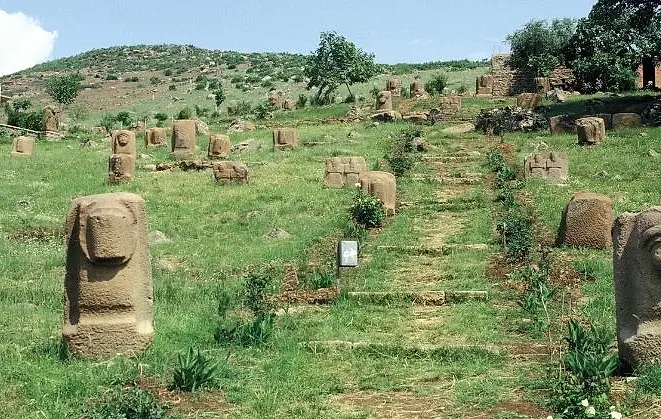
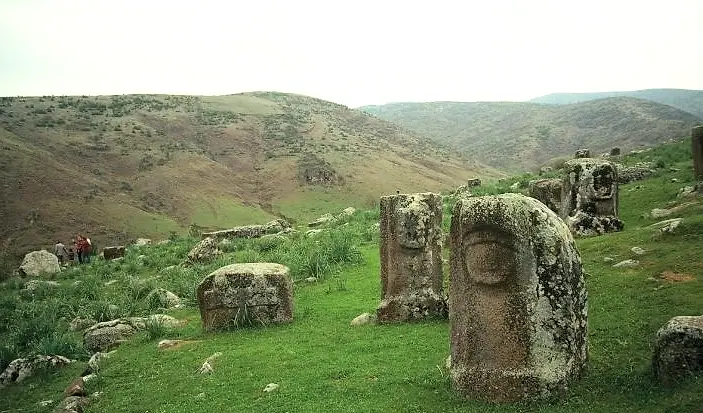
An open-air quarry and sculpture workshop of the Hittite and Late Hittite world in Gaziantep, with hundreds of unfinished statues left in the basalt.
Yesemek was the largest quarry and sculpture workshop of the ancient Near East between the fourteenth and seventh centuries BC. It was already active when the region came under Hittite control in the second half of the second millennium BC, and Hurrian and Hittite craftsmen worked here.
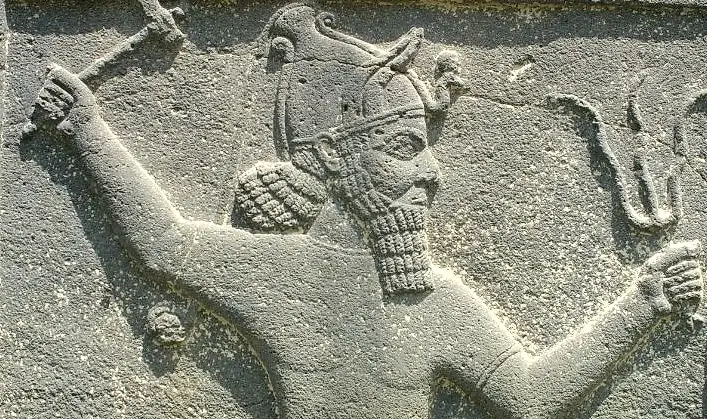
After a period of reduced activity it revived from the ninth century BC, in the Late Hittite kingdoms. At that time Hittite, Syrian, Aramaean and Assyrian elements mixed in the sculpture, giving rise to a style known as Orientalising.
Felix von Luschan first brought Yesemek to the attention of scholars in 1890. Systematic excavations in 1957-1961 under Bahadır Alkım uncovered close to 200 statue blanks, and later work by İlhan Temizsoy brought the total to about 300 sculptures and roughly shaped pieces. The area was landscaped and opened as an open-air museum, with more environmental work carried out in 2005.
According to the Ministry’s listing it opens at 08:00 and closes at 17:00 (last entry 00:00). Open every day.
No. This site sells no tickets. Topkapı Palace, the Basilica Cistern, Hagia Sophia and Dolmabahçe Palace are sold on our sister sites; for Yesemek Archaeological Site, buy at the ticket office or on the Ministry’s official e-ticket system.
Yesemek Archaeological Site is in Gaziantep, Türkiye — İslahiye İlçesi, Yesemek Köyü.
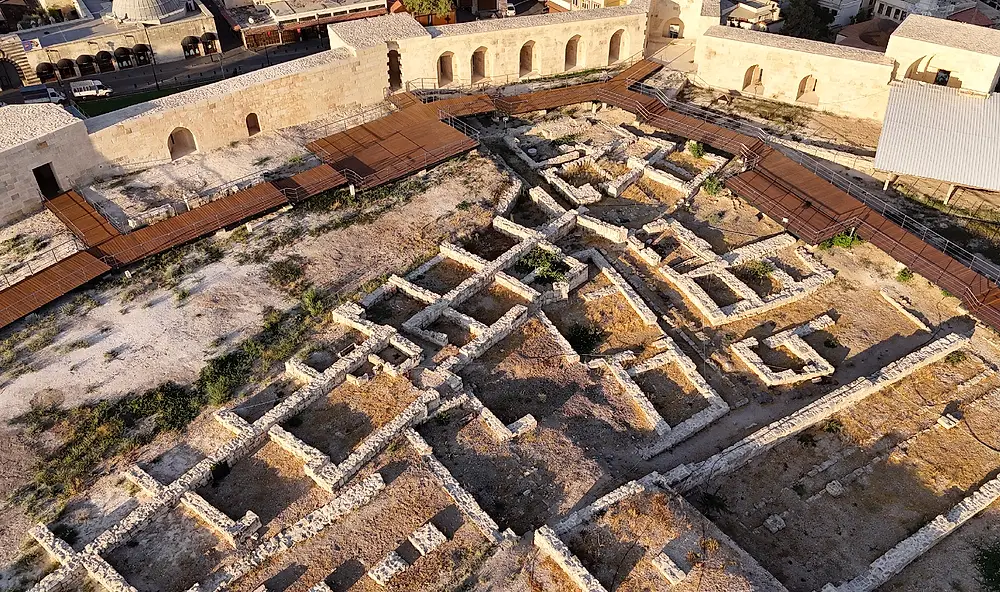
A landmark citadel on a hill in the centre of Gaziantep, one of Turkey's best-preserved castles, built on a mound of great antiquity.
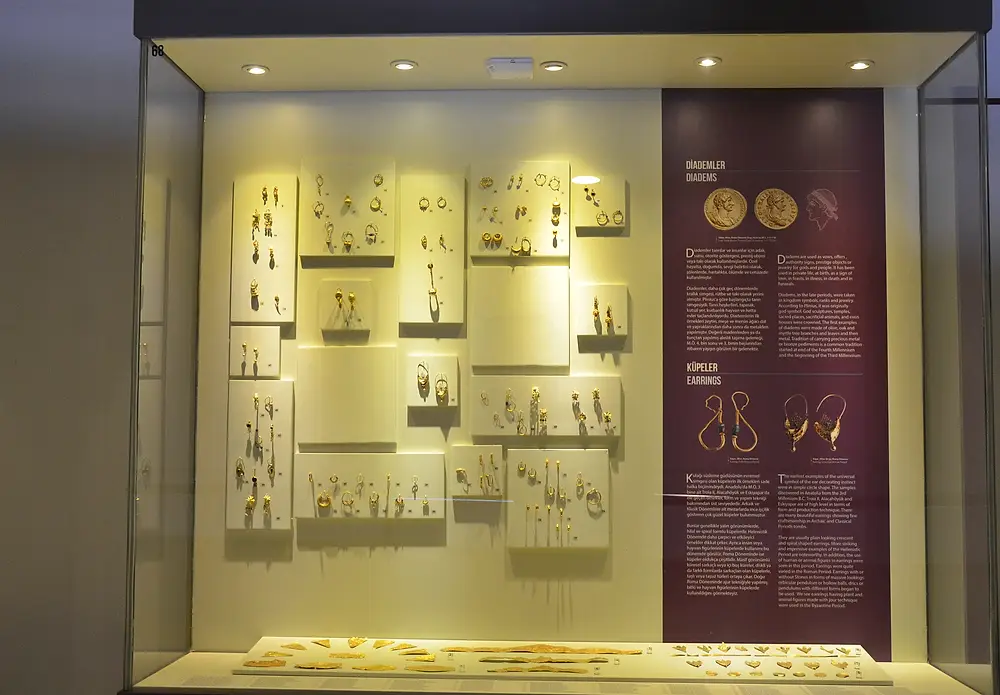
Gaziantep's archaeological museum, in a purpose-built 1969 building, with more than 1,700 objects from the city and its surroundings.
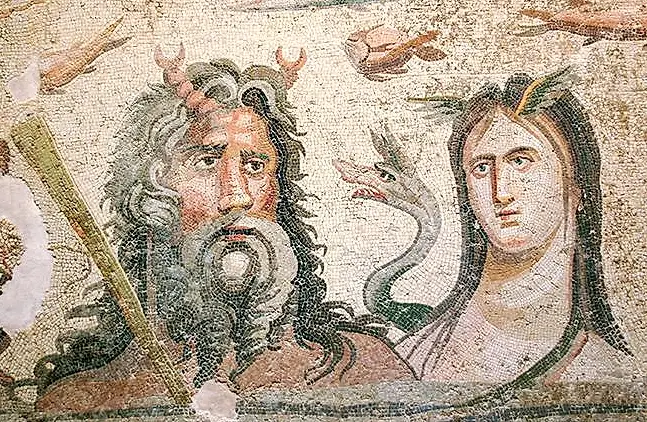
One of the world's great mosaic museums, in a former tobacco factory in Gaziantep, showing Roman mosaics rescued from ancient Zeugma.
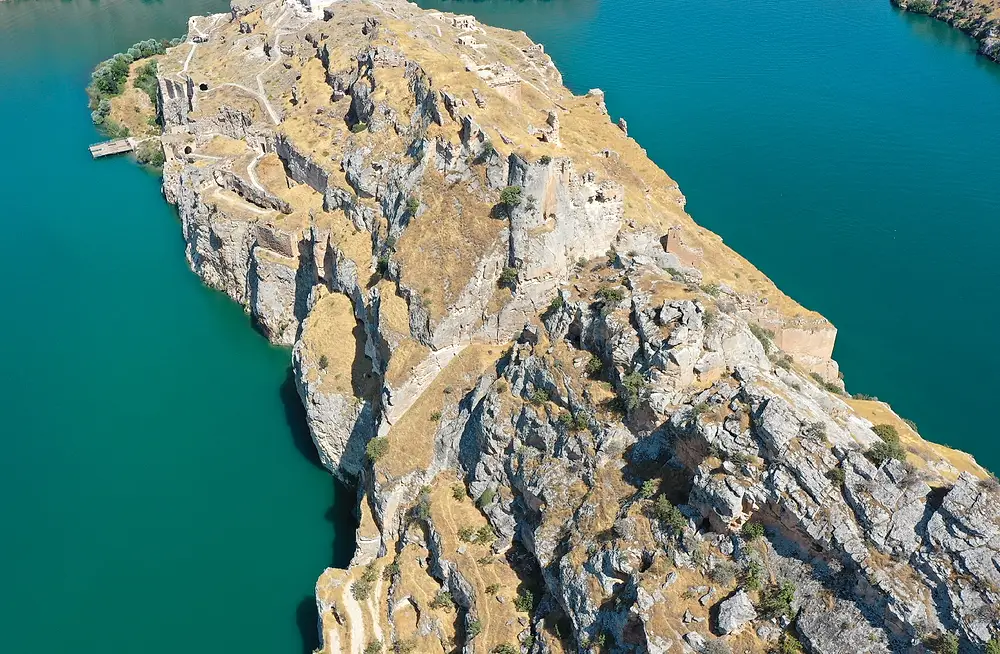
A cliff-top fortress in Yavuzeli, Gaziantep, where the Merzimen stream meets the Euphrates, now a peninsula surrounded by a dam lake.
Four Istanbul landmarks, each sold on its own site by the agency behind this guide — dated entry and free cancellation up to 24 hours.
The sultans’ palace on Sarayburnu: courtyards, the Imperial Council, the treasury and the terraces over the water. Dated entry, sold online on its own site.
Justinian’s great underground reservoir: 336 columns in still water and the two Medusa heads. Fast-track entry with a digital audio guide.
Justinian’s cathedral, the sultans’ mosque and a working mosque again today. The ticket admits you to the upper visitor gallery.
A nineteenth-century palace on the water’s edge: the Selamlık, the Ceremonial Hall under its chandelier, the crystal staircase and the Harem.


