
Topkapı Palace
The sultans’ palace on Sarayburnu: courtyards, the Imperial Council, the treasury and the terraces over the water. Dated entry, sold online on its own site.
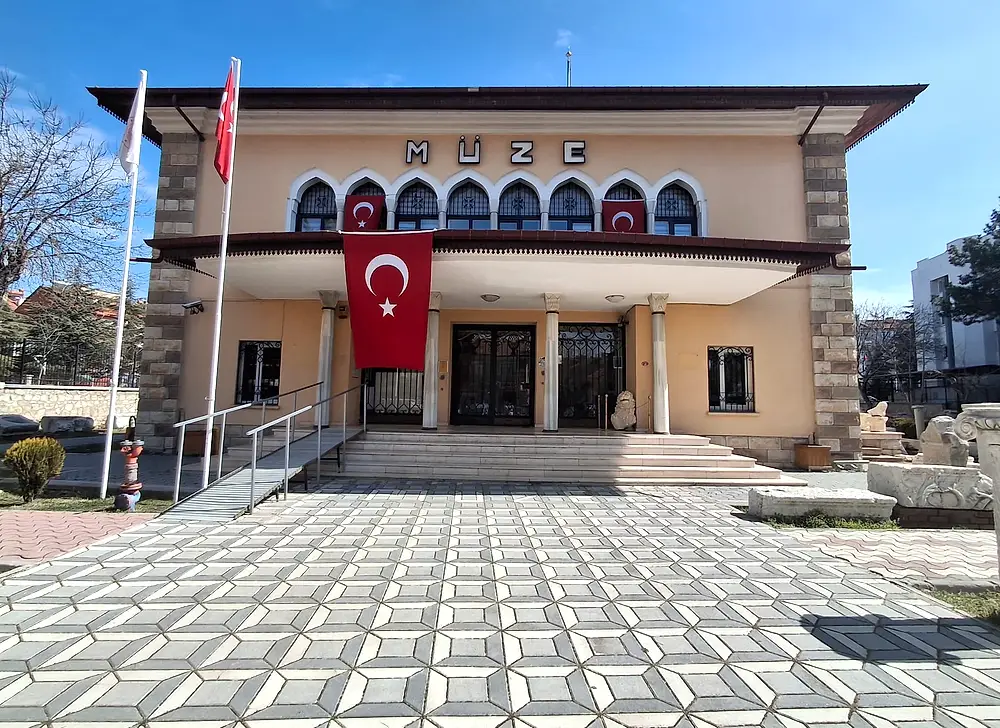
The largest museum in the Lakes region, in Yalvaç near ancient Antiocheia, with prehistoric, classical, ethnographic and St. Paul halls and a garden display.
Yalvaç Museum was begun in 1963, completed in 1965 and opened to visitors on 9 September 1966. It was a small office until 1975 and then became a directorate. After a full modern renewal of its displays it reopened on 16 July 2000, and it is still the largest museum in the Lakes region.
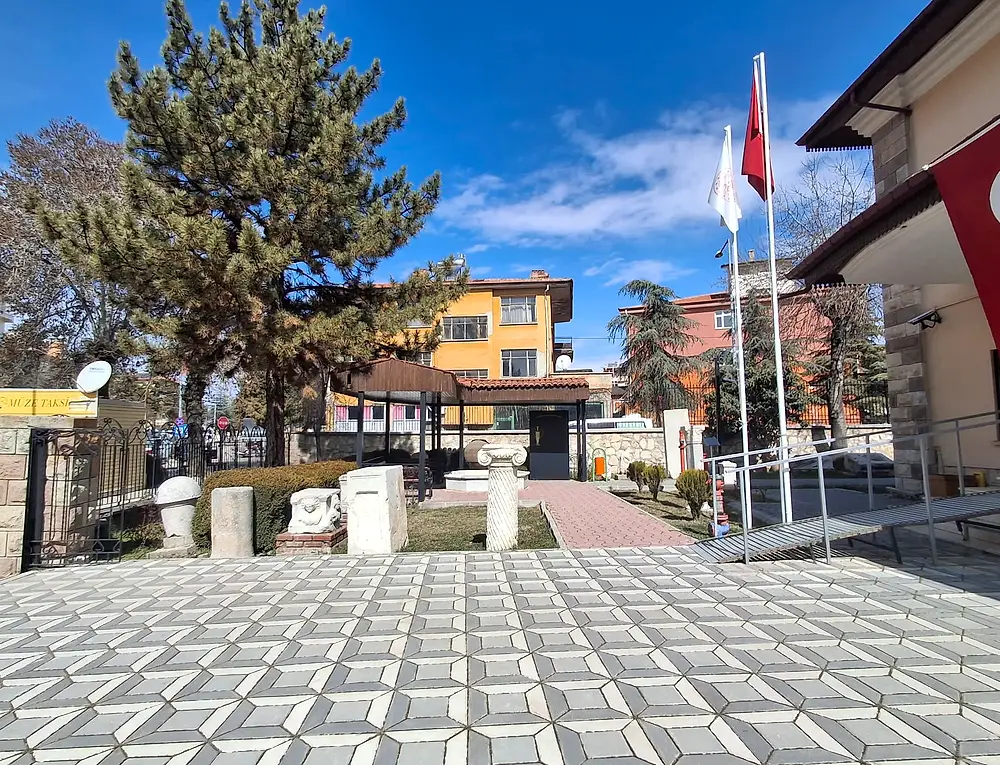
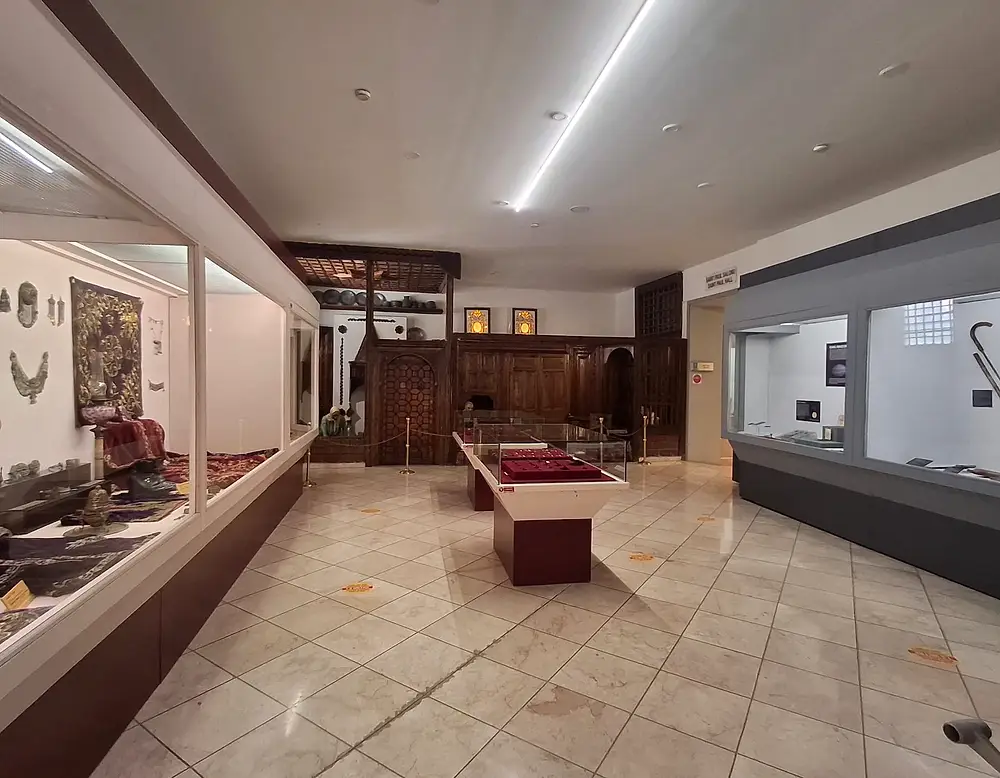
It has two main parts, a garden exhibition and an indoor exhibition. The indoor halls are prehistoric, classical, ethnographic and a St. Paul hall.
The prehistoric and classical halls show small finds from around Yalvaç, as well as pieces from excavations and objects donated or bought from local people. The cases include fossils of various mammals, among them a rhinoceros.
The town's location near ancient Antiocheia makes the museum a natural companion to the site, and its St. Paul hall recalls the Christian history of the area.
According to the Ministry’s listing it opens at 08:30 and closes at 17:30 (last entry 17:00). Closed: Monday.
No. This site sells no tickets. Topkapı Palace, the Basilica Cistern, Hagia Sophia and Dolmabahçe Palace are sold on our sister sites; for Yalvaç Museum, buy at the ticket office or on the Ministry’s official e-ticket system.
Yalvaç Museum is in Isparta, Türkiye — Görgüorta Mahallesi. Gazipaşa Caddesi, No.58.
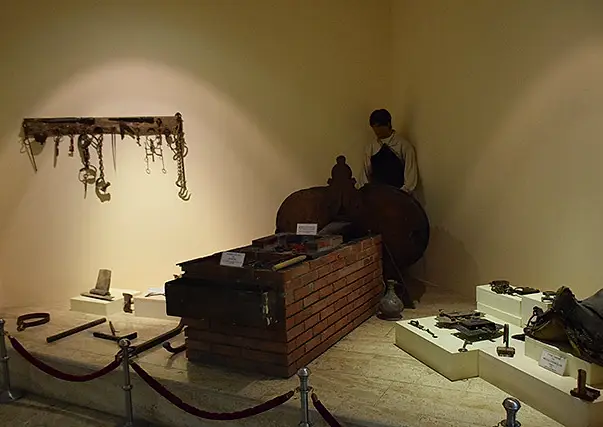
A small museum in the Culture Palace at Uluborlu, opened in 2007, showing local ethnography and archaeology, including the district's traditional iron and copperwork.
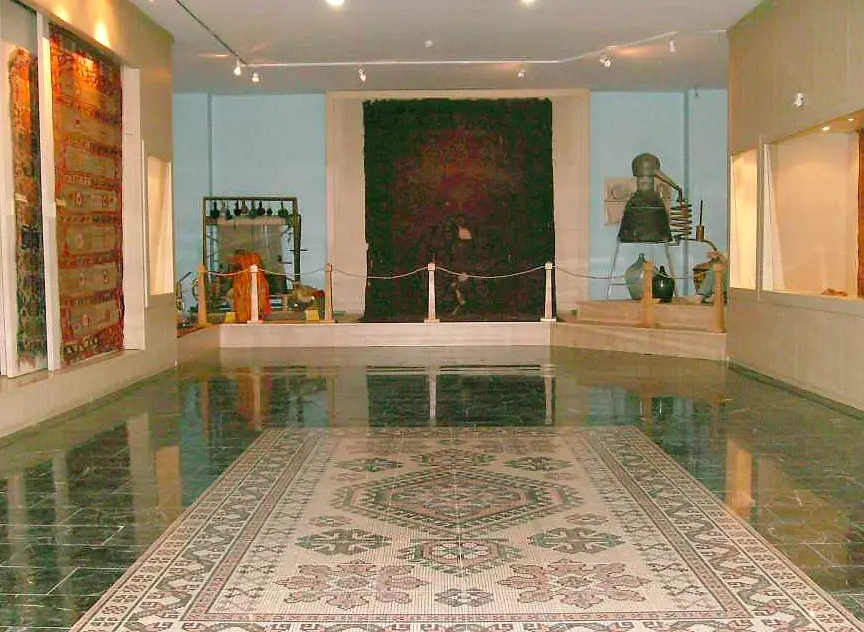
The city museum of Isparta, in a two-storey building opened in 1985, with archaeology, treasury, ethnography and carpet galleries.
Four Istanbul landmarks, each sold on its own site by the agency behind this guide — dated entry and free cancellation up to 24 hours.
The sultans’ palace on Sarayburnu: courtyards, the Imperial Council, the treasury and the terraces over the water. Dated entry, sold online on its own site.
Justinian’s great underground reservoir: 336 columns in still water and the two Medusa heads. Fast-track entry with a digital audio guide.
Justinian’s cathedral, the sultans’ mosque and a working mosque again today. The ticket admits you to the upper visitor gallery.
A nineteenth-century palace on the water’s edge: the Selamlık, the Ceremonial Hall under its chandelier, the crystal staircase and the Harem.


