
Topkapı Palace
The sultans’ palace on Sarayburnu: courtyards, the Imperial Council, the treasury and the terraces over the water. Dated entry, sold online on its own site.
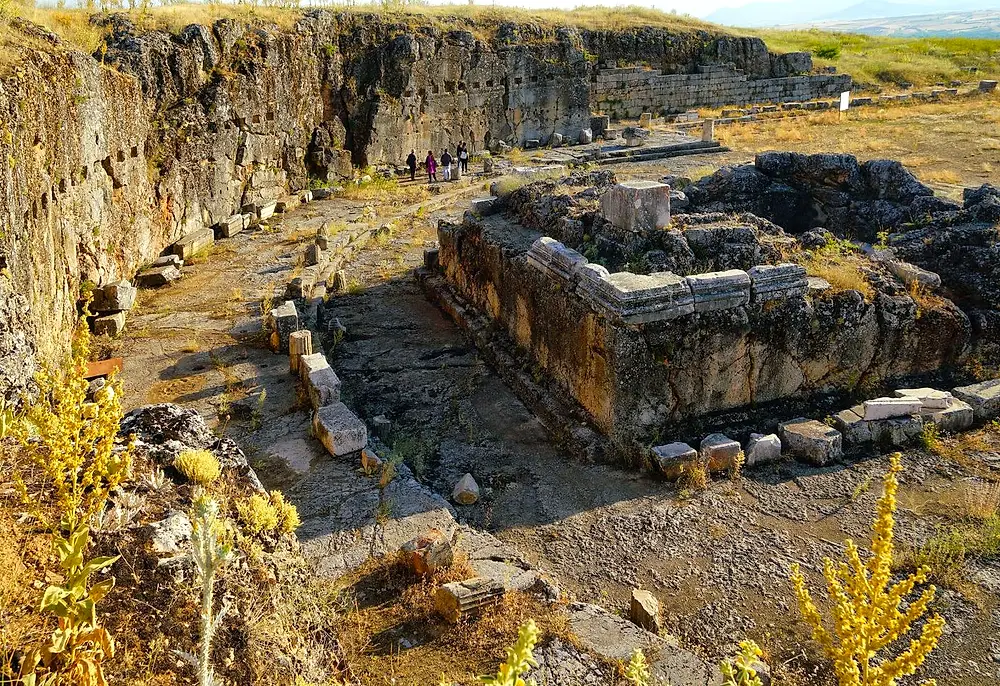
A Hellenistic and Roman city of Pisidia near Yalvaç, laid out on a grid, with a theatre, aqueduct, temple of Augustus and a church of St. Paul.
Antiocheia was a Pisidian city on the fertile southern slopes of the Sultan Mountains, about a kilometre north of today's Yalvaç in Isparta province. After the death of Alexander the Great it was founded by his general Seleucus I and Seleucus's son Antiochus.
The walled acropolis covers around 46 hectares. Visitors enter through the west gate, a triumphal arch with three passages that shares its architectural and sculptural approach with the Propylon leading to the Temple of Augustus. The city follows a regular grid, the so-called Hippodamian plan, named for the architect Hippodamos of Miletus. Shops lined the main street, the Decumanus Maximus, which starts at the West Gate.
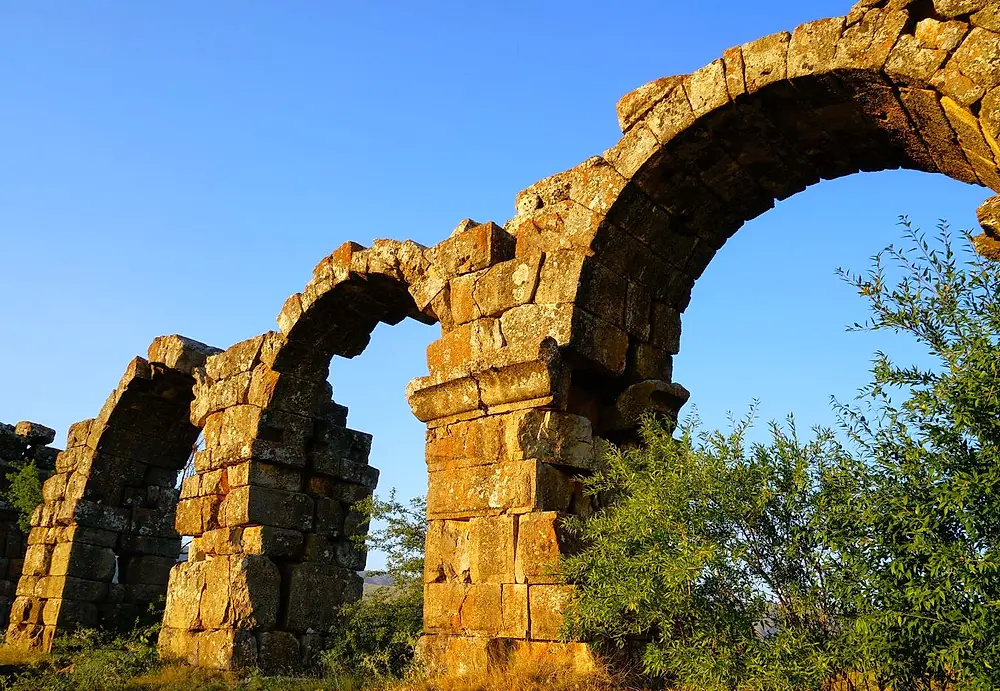
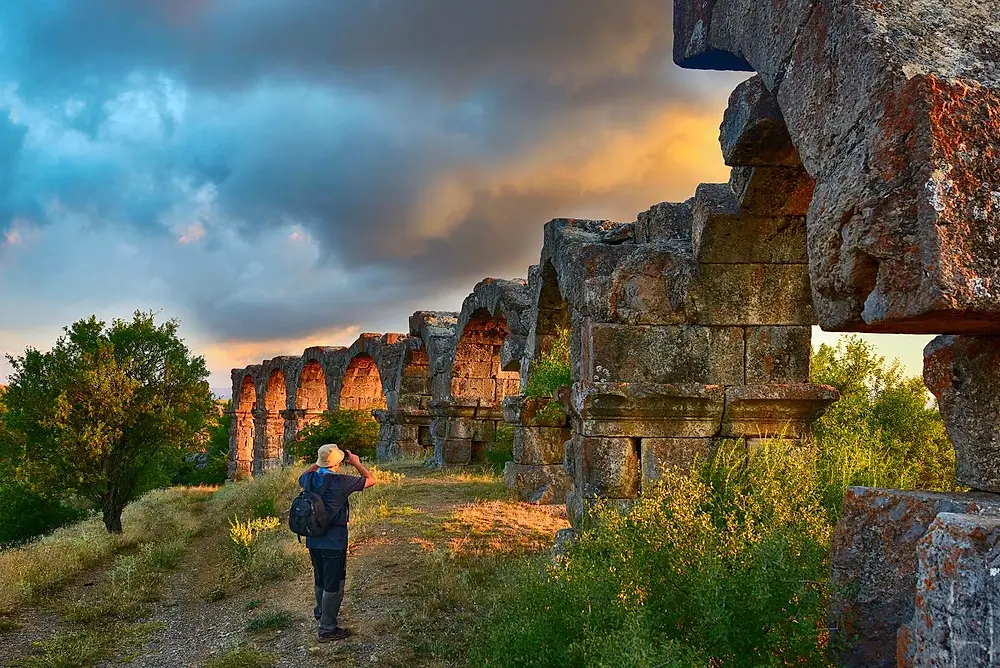
Among the remains are a theatre built in the Hellenistic period, two squares named for Augustus and Tiberius, an aqueduct, a bath, a nymphaeum, the Temple of Augustus and the church of St. Paul, which places the site among the sites associated with early Christianity in Anatolia.
Its scale and clear layout make it easy to read as a city.
According to the Ministry’s listing it opens at 08:30 and closes at 19:00 (last entry 18:30). Open every day.
No. This site sells no tickets. Topkapı Palace, the Basilica Cistern, Hagia Sophia and Dolmabahçe Palace are sold on our sister sites; for Antiocheia Archaeological Site, buy at the ticket office or on the Ministry’s official e-ticket system.
Antiocheia Archaeological Site is in Isparta, Türkiye — Medeniyet Caddesi. Turgut Özal Parkı.
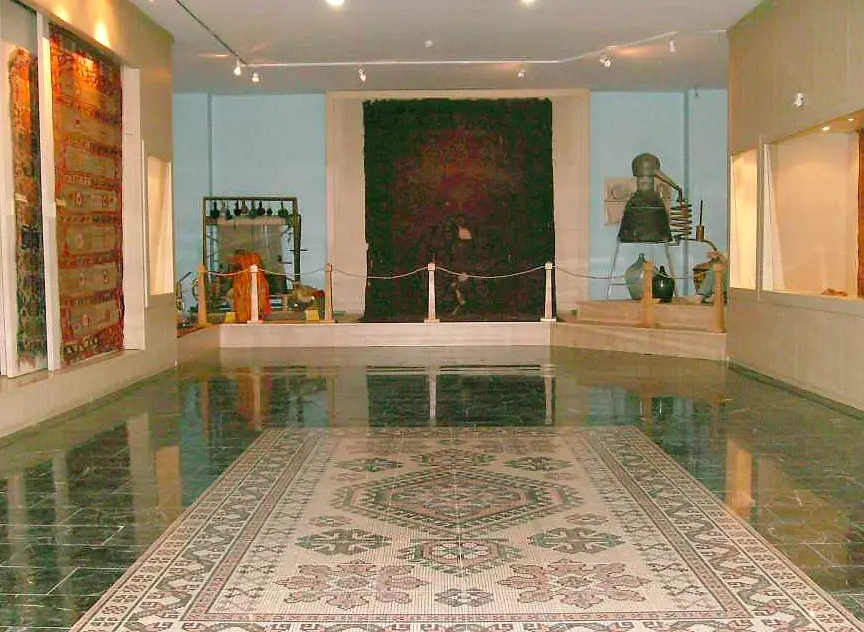
The city museum of Isparta, in a two-storey building opened in 1985, with archaeology, treasury, ethnography and carpet galleries.
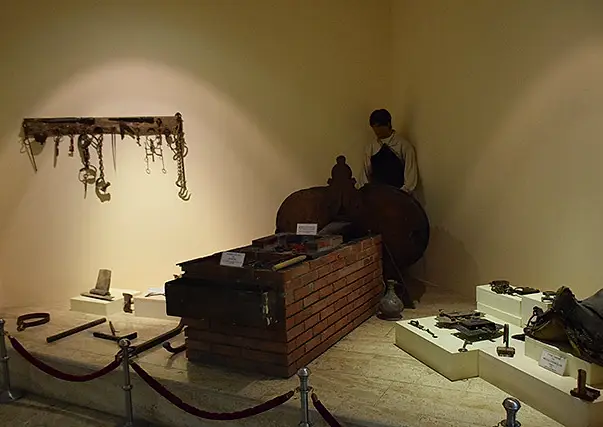
A small museum in the Culture Palace at Uluborlu, opened in 2007, showing local ethnography and archaeology, including the district's traditional iron and copperwork.
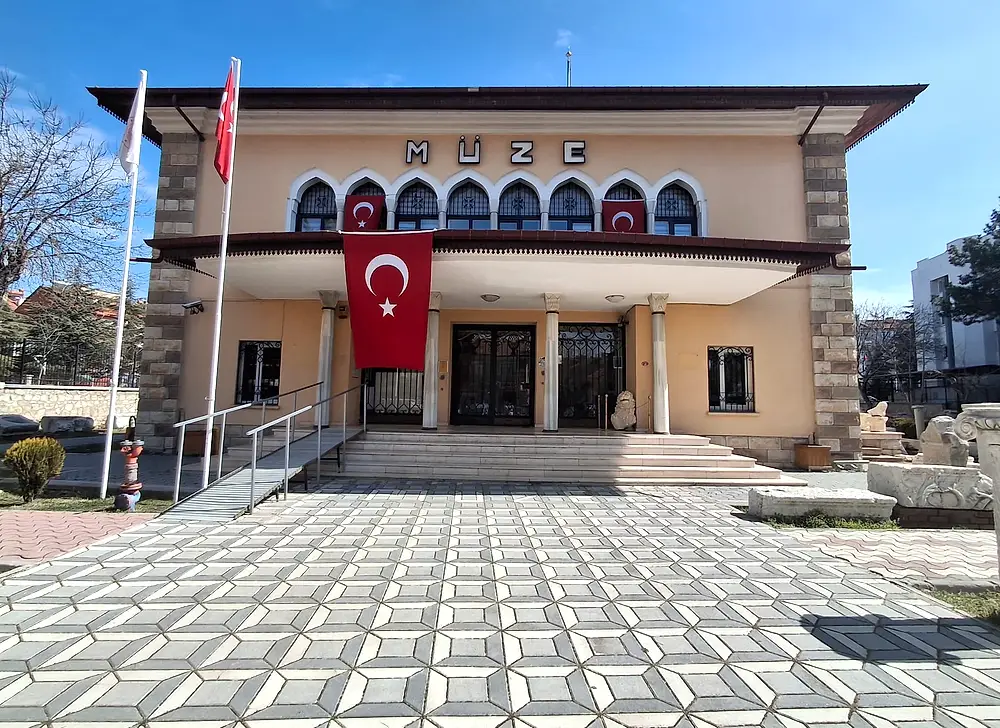
The largest museum in the Lakes region, in Yalvaç near ancient Antiocheia, with prehistoric, classical, ethnographic and St. Paul halls and a garden display.
Four Istanbul landmarks, each sold on its own site by the agency behind this guide — dated entry and free cancellation up to 24 hours.
The sultans’ palace on Sarayburnu: courtyards, the Imperial Council, the treasury and the terraces over the water. Dated entry, sold online on its own site.
Justinian’s great underground reservoir: 336 columns in still water and the two Medusa heads. Fast-track entry with a digital audio guide.
Justinian’s cathedral, the sultans’ mosque and a working mosque again today. The ticket admits you to the upper visitor gallery.
A nineteenth-century palace on the water’s edge: the Selamlık, the Ceremonial Hall under its chandelier, the crystal staircase and the Harem.


