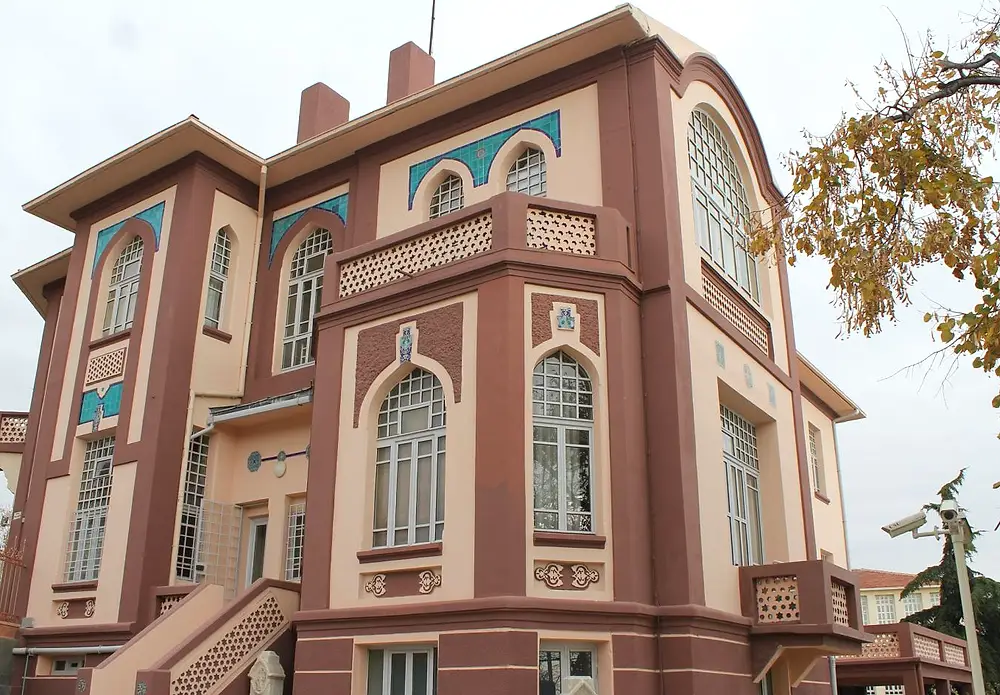

Topkapı Palace
The sultans’ palace on Sarayburnu: courtyards, the Imperial Council, the treasury and the terraces over the water. Dated entry, sold online on its own site.
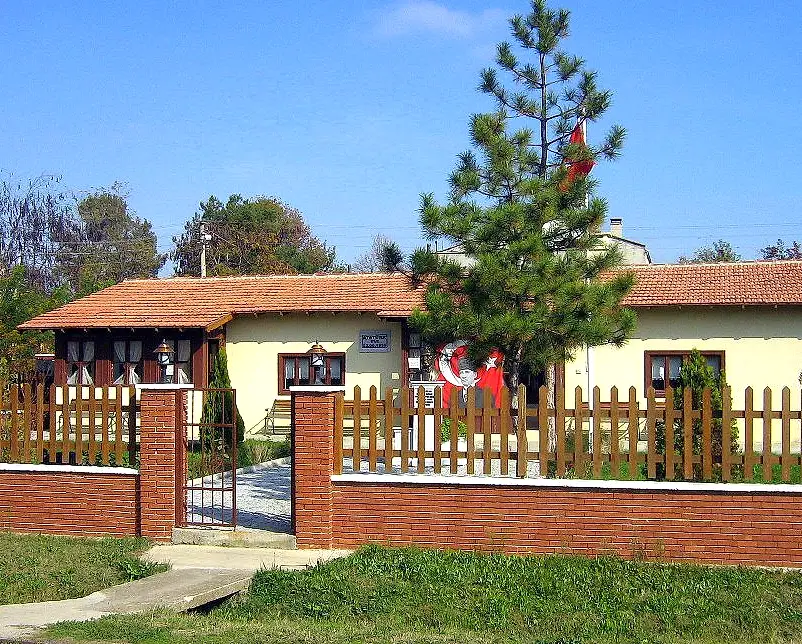
A small mudbrick house in Muratlı where Atatürk stopped for coffee in 1936, now showing photographs of his visit and local ethnographic items.
Muratlı, in Tekirdağ province, was created as a planned village in the mid-1930s to settle Turks who had migrated from Bulgaria, under the population-exchange provisions that trace back to the 1923 Treaty of Lausanne. Streets were laid out at right angles north of the railway, and every house had a garden.
On 3 June 1936, Mustafa Kemal Atatürk came to see how the new homes were progressing. He was hosted by a migrant family in a house opposite the railway station and sat in its garden. The family's daughter served him coffee, and he was pleased with the neat, well-furnished house. Before leaving he wrote a short verse for the girl, urging the migrants never to forget that day.
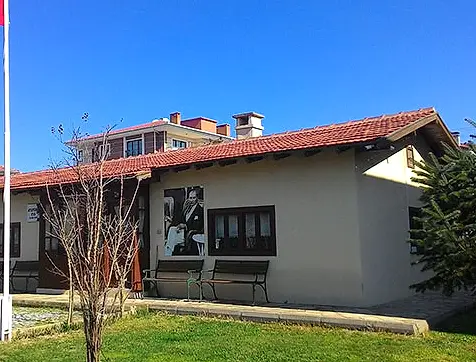
That house, a mudbrick building with three rooms and a kitchen in the İstiklal quarter of Muratlı, was expropriated by the Ministry of Culture and Tourism, restored to its original design and opened as a museum. Inside, you will find photographs of Atatürk's arrival, ethnographic objects from the region and documentaries about the War of Independence period. A monument in the garden records his visit.
According to the Ministry’s listing it opens at 08:00 and closes at 17:00 (last entry 16:30). Open every day.
No. This site sells no tickets. Topkapı Palace, the Basilica Cistern, Hagia Sophia and Dolmabahçe Palace are sold on our sister sites; for Tekirdağ Muratlı Atatürk House Museum, buy at the ticket office or on the Ministry’s official e-ticket system.
Tekirdağ Muratlı Atatürk House Museum is in Tekirdağ, Türkiye — Muratlı, İstiklal-Kurtpınar Mah., 39. Sok..
Four Istanbul landmarks, each sold on its own site by the agency behind this guide — dated entry and free cancellation up to 24 hours.
The sultans’ palace on Sarayburnu: courtyards, the Imperial Council, the treasury and the terraces over the water. Dated entry, sold online on its own site.
Justinian’s great underground reservoir: 336 columns in still water and the two Medusa heads. Fast-track entry with a digital audio guide.
Justinian’s cathedral, the sultans’ mosque and a working mosque again today. The ticket admits you to the upper visitor gallery.
A nineteenth-century palace on the water’s edge: the Selamlık, the Ceremonial Hall under its chandelier, the crystal staircase and the Harem.


