
Topkapı Palace
The sultans’ palace on Sarayburnu: courtyards, the Imperial Council, the treasury and the terraces over the water. Dated entry, sold online on its own site.
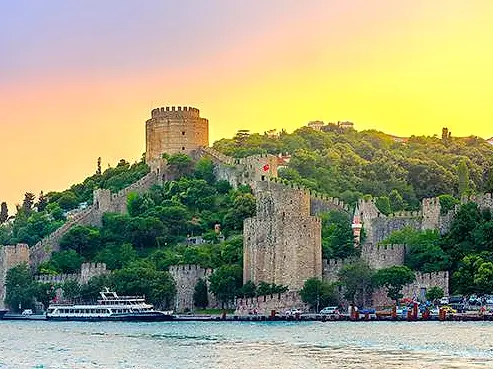
A medieval Bosphorus fortress raised in just five months in 1452, with three great towers, sweeping walls and a small collection of Ottoman cannons.
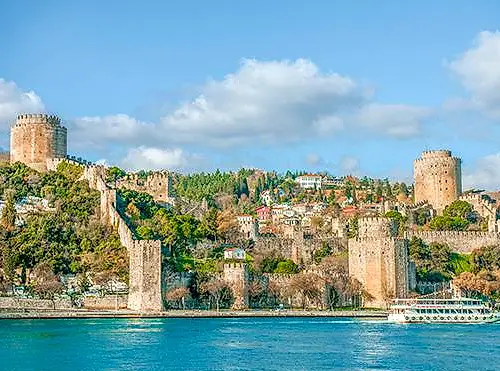
Rumeli Fortress rises on the European shore at the Bosphorus's narrowest point. Mehmed the Conqueror had it built in 1452 to command the ships passing through the strait before the siege of Constantinople, and it was finished in an astonishing five months, with hundreds of masons and labourers at work.
After the conquest the fortress lost its military purpose. From the 16th century it served as a state prison, was damaged by fire in 1746, repaired under Selim III and then left to decay, until a large restoration in 1953 marked the 500th anniversary of the conquest. It opened as a museum in 1968.
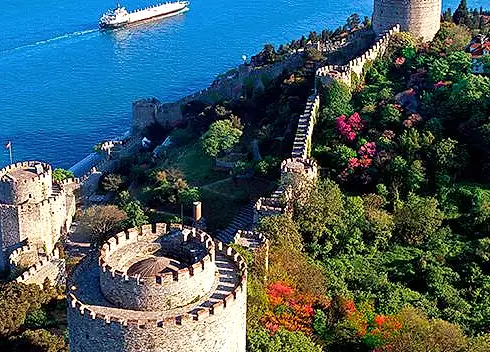
Three big towers anchor the walls: the Çandarlı Halil Pasha, Zağanos Pasha and Saruca Pasha towers, of roughly 22, 21 and 28 metres. The Saruca tower keeps a council chamber known for its acoustics and graffiti scratched by prisoners. On the Zağanos tower, a two-line inscription is said to be the first Turkish inscription on the Bosphorus.
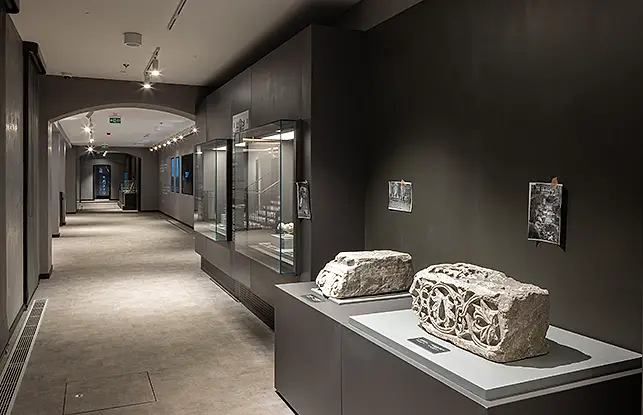
The small collection includes cannonballs from the conquest, Ottoman cannons from the time of Bayezid II and later, carved Byzantine stones and a piece of the Golden Horn chain. Most visitors come to walk the ramparts and enjoy the strait.
According to the Ministry’s listing it opens at 09:00 and closes at 18:30 (last entry 17:30). Closed: Monday.
No. This site sells no tickets. Topkapı Palace, the Basilica Cistern, Hagia Sophia and Dolmabahçe Palace are sold on our sister sites; for Rumeli Fortress Museum, buy at the ticket office or on the Ministry’s official e-ticket system.
Rumeli Fortress Museum is in Istanbul, Türkiye — Yahya Kemal Caddesi No: 42, Rumelihisarı Mahallesi, 34470 Sarıyer İstanbul.
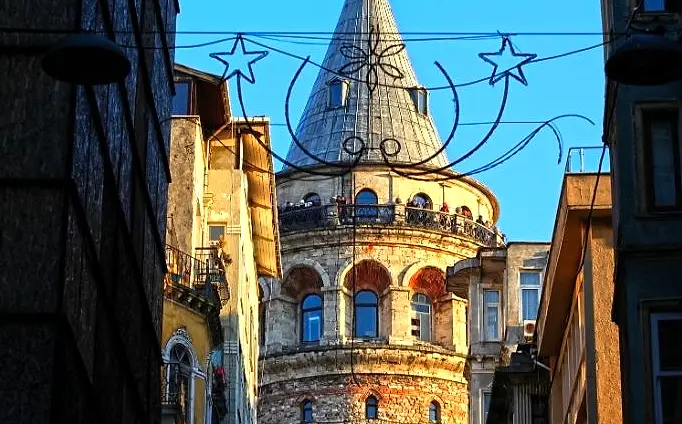
Istanbul's Genoese-built Galata Tower, now a museum reopened after a 2020 restoration, with an audio guide and evening openings.
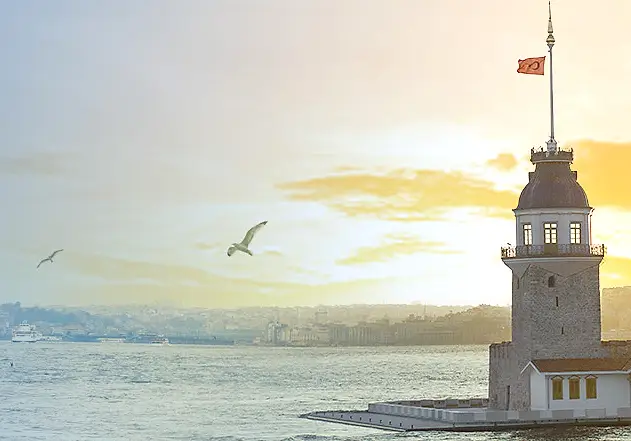
The tower on a rocky islet off Üsküdar, where the Bosphorus meets the Marmara Sea, reached by a short boat ride from Karaköy or Salacak.
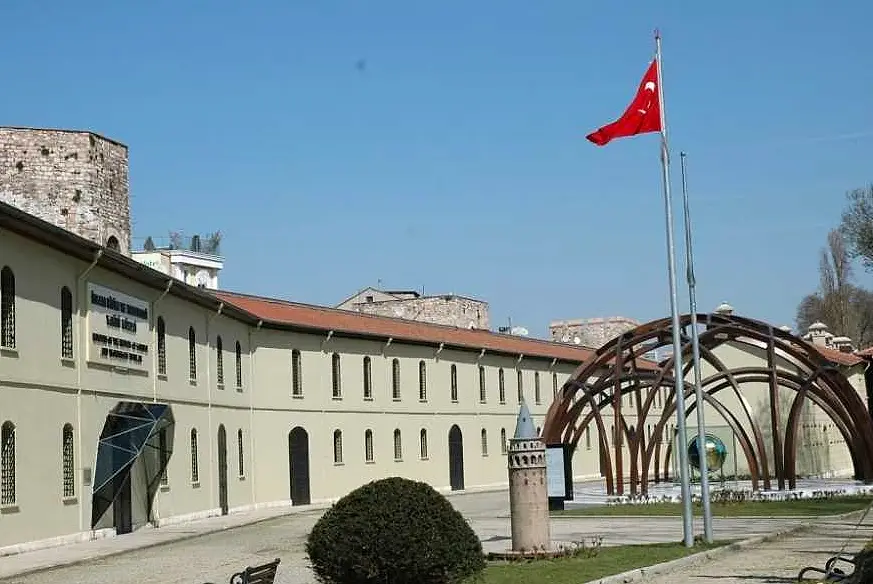
In Gülhane Park's former imperial stables, hundreds of replicas of instruments and machines show the science of the Islamic world from the 9th to the 16th century.
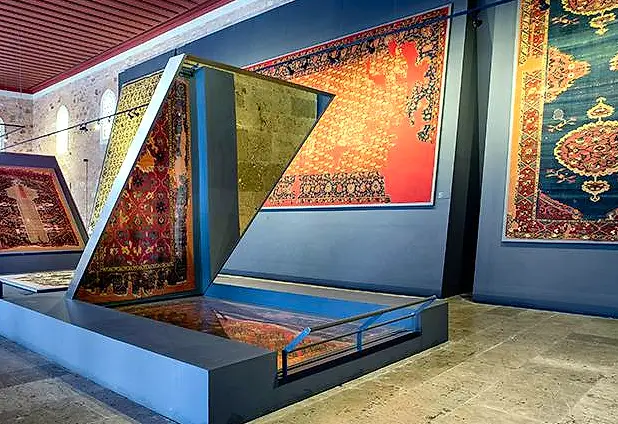
A 16th-century Ottoman palace beside Sultanahmet Square that holds one of the world's great carpet collections, plus manuscripts, metalwork and everyday Ottoman life.
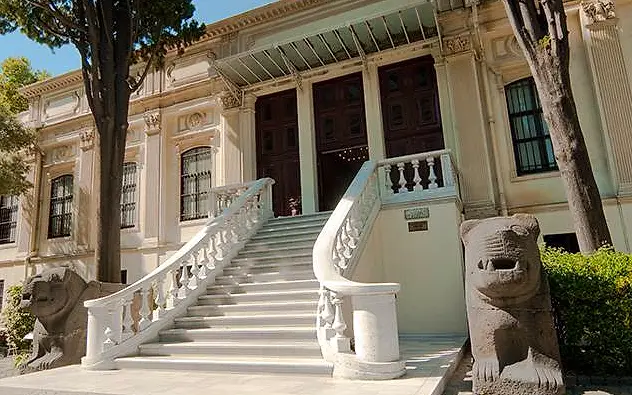
Türkiye's first museum, a complex of three museums beside Gülhane, holding nearly a million objects from Ottoman lands, including the famous Alexander Sarcophagus.
A separate museum beside Hagia Sophia in the Defter-i Hakani building, telling the great building's story in 13 halls with immersive shows in 23 languages.
Four Istanbul landmarks, each sold on its own site by the agency behind this guide — dated entry and free cancellation up to 24 hours.
The sultans’ palace on Sarayburnu: courtyards, the Imperial Council, the treasury and the terraces over the water. Dated entry, sold online on its own site.
Justinian’s great underground reservoir: 336 columns in still water and the two Medusa heads. Fast-track entry with a digital audio guide.
Justinian’s cathedral, the sultans’ mosque and a working mosque again today. The ticket admits you to the upper visitor gallery.
A nineteenth-century palace on the water’s edge: the Selamlık, the Ceremonial Hall under its chandelier, the crystal staircase and the Harem.


