
Topkapı Palace
The sultans’ palace on Sarayburnu: courtyards, the Imperial Council, the treasury and the terraces over the water. Dated entry, sold online on its own site.
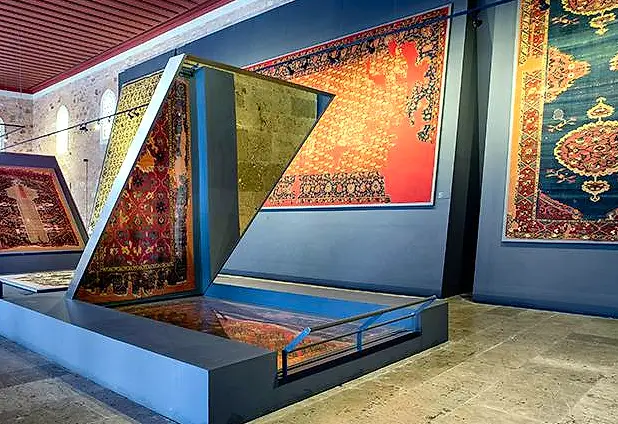
A 16th-century Ottoman palace beside Sultanahmet Square that holds one of the world's great carpet collections, plus manuscripts, metalwork and everyday Ottoman life.
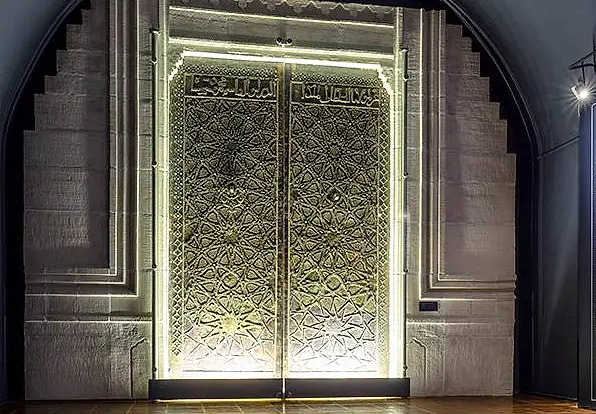
The museum sits in the Palace of Ibrahim Pasha, a sixteenth-century Ottoman residence rising on arches above the old Hippodrome, right beside Sultanahmet Square. Suleiman the Magnificent had it repaired and gave it in 1520 to his son-in-law and grand vizier. Few private palaces of the age have survived in Istanbul, so the building is an exhibit in its own right, and visitors reach the first galleries by climbing steps from a broad terrace that the wings enclose on three sides.
The collection was the first in Turkey to bring Turkish and Islamic art together. It opened in 1914 in the soup-kitchen building of the Süleymaniye complex and moved here in 1983. After a restoration finished in 2012 it was reinstalled with new displays, and it has won European recognition for its work, including an award for introducing children to cultural heritage.
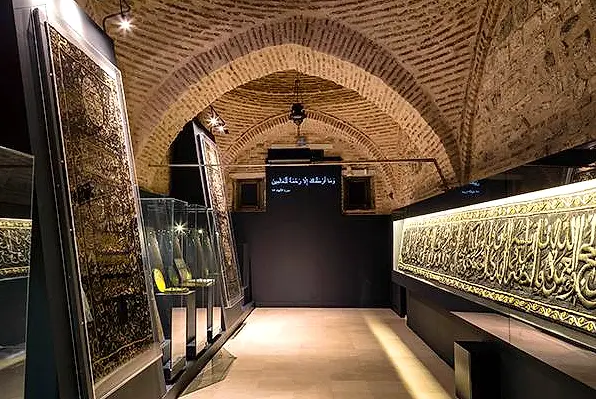
The carpets are the reason many people come. The museum is known for one of the finest rug collections anywhere, with rare thirteenth-century Seljuk pieces among its masterpieces, and large glazed halls hold Turkish carpets in remarkable numbers. Around them you will find manuscripts, glass, stone and terracotta objects, metalwork and ceramics from the Abbasid, Mamluk, Seljuk and Ottoman worlds. Downstairs, the ethnography rooms show how ordinary people lived in Turkey over the last few centuries.
According to the Ministry’s listing it opens at 09:00 and closes at 18:45. Open every day.
No. This site sells no tickets. Topkapı Palace, the Basilica Cistern, Hagia Sophia and Dolmabahçe Palace are sold on our sister sites; for Museum of Turkish and Islamic Arts, buy at the ticket office or on the Ministry’s official e-ticket system.
Museum of Turkish and Islamic Arts is in Istanbul, Türkiye — Binbirdirek Mahallesi, At Meydanı Sokak, No: 12 Sultanahmet/İstanbul.
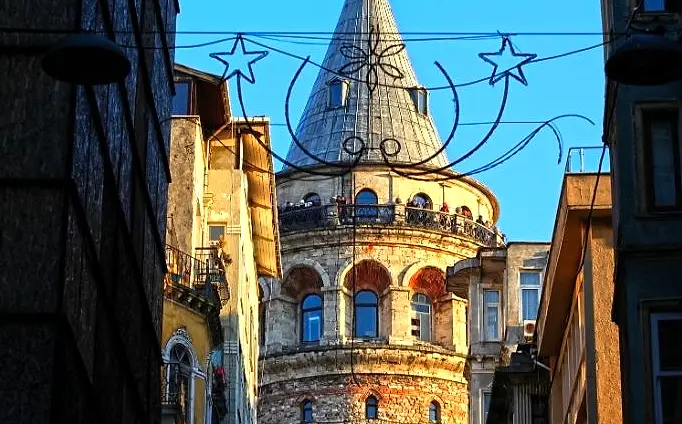
Istanbul's Genoese-built Galata Tower, now a museum reopened after a 2020 restoration, with an audio guide and evening openings.
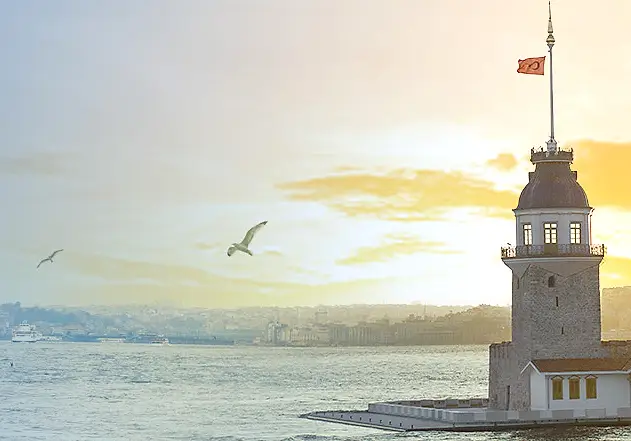
The tower on a rocky islet off Üsküdar, where the Bosphorus meets the Marmara Sea, reached by a short boat ride from Karaköy or Salacak.
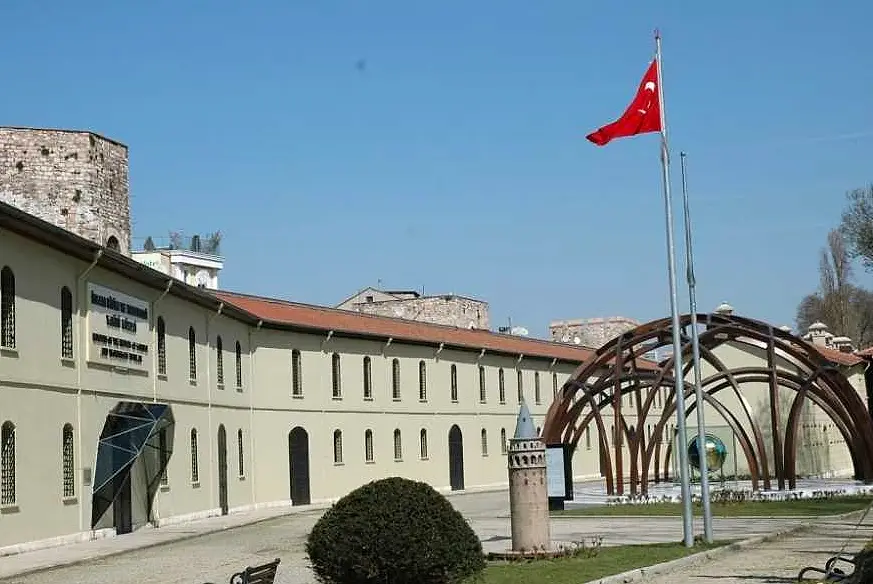
In Gülhane Park's former imperial stables, hundreds of replicas of instruments and machines show the science of the Islamic world from the 9th to the 16th century.
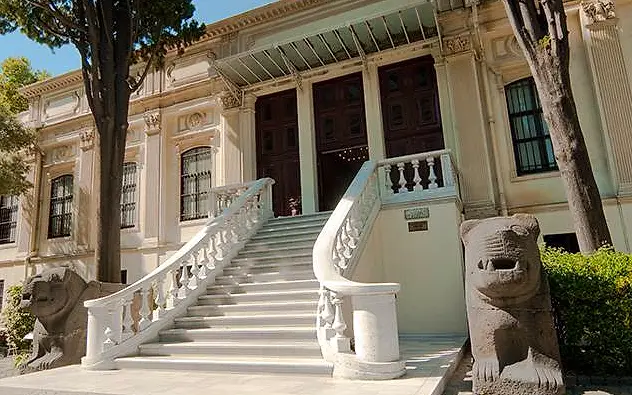
Türkiye's first museum, a complex of three museums beside Gülhane, holding nearly a million objects from Ottoman lands, including the famous Alexander Sarcophagus.
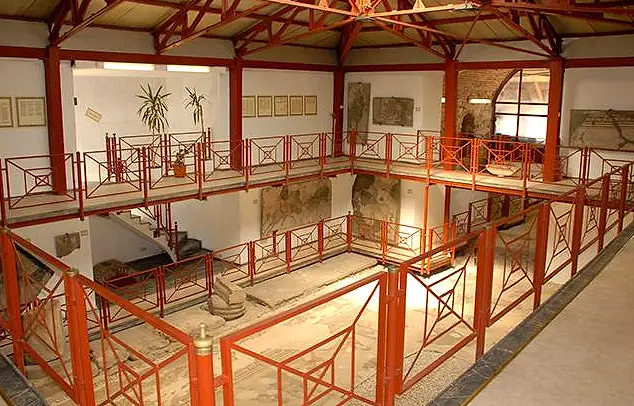
A museum built over a surviving stretch of the Byzantine Great Palace's mosaic floor, with lively scenes of animals, children and mythology, tucked into Sultanahmet's Arasta Bazaar.
Four Istanbul landmarks, each sold on its own site by the agency behind this guide — dated entry and free cancellation up to 24 hours.
The sultans’ palace on Sarayburnu: courtyards, the Imperial Council, the treasury and the terraces over the water. Dated entry, sold online on its own site.
Justinian’s great underground reservoir: 336 columns in still water and the two Medusa heads. Fast-track entry with a digital audio guide.
Justinian’s cathedral, the sultans’ mosque and a working mosque again today. The ticket admits you to the upper visitor gallery.
A nineteenth-century palace on the water’s edge: the Selamlık, the Ceremonial Hall under its chandelier, the crystal staircase and the Harem.


