
Topkapı Palace
The sultans’ palace on Sarayburnu: courtyards, the Imperial Council, the treasury and the terraces over the water. Dated entry, sold online on its own site.
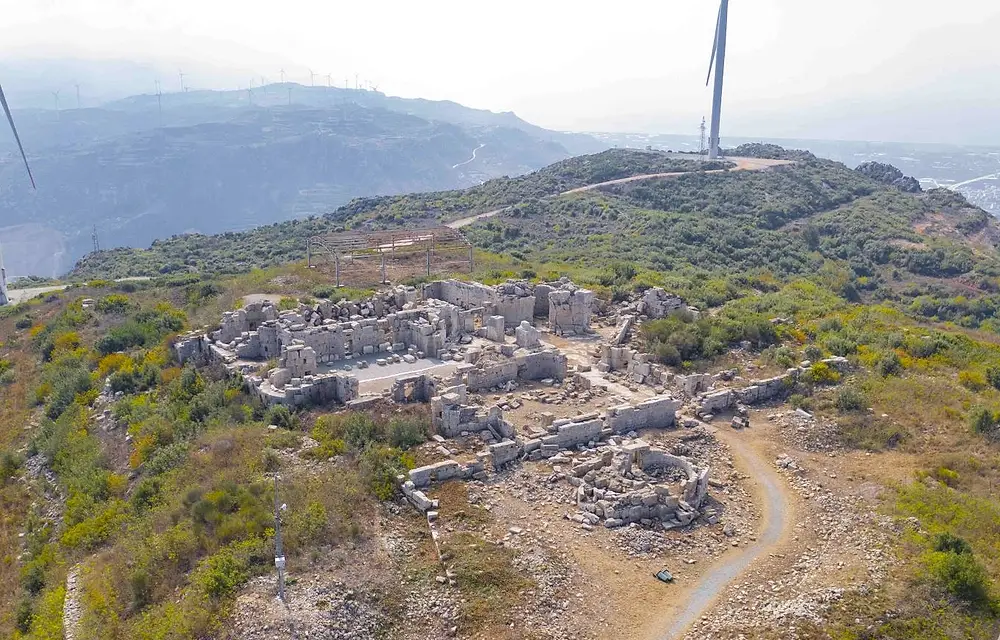
A 6th-century hilltop monastery near Antakya, built around the column where Simeon the Younger lived for decades, with three churches and a cross-shaped plan.
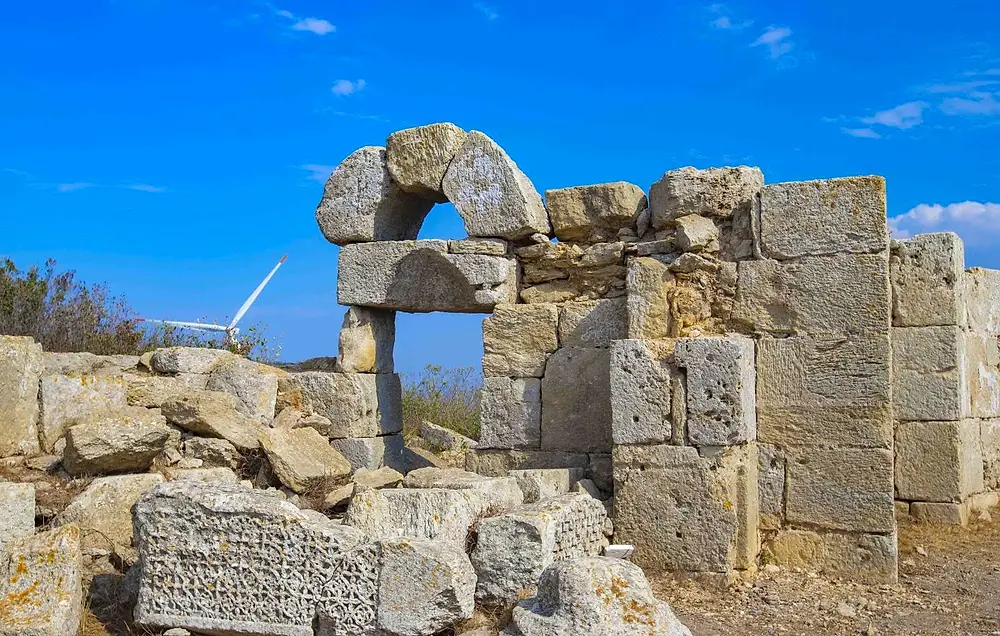
The Monastery of St. Simeon stands on a hill about 479 metres high, on the border of Aknehir, between the Antakya–Samandağ road and the Asi (Orontes) river. Visitors reach it via Değirmenbaşı. Cut partly into the rock and partly built of dressed stone, it fills a rectangle of about 132 by 160 metres, ringed by two parallel walls.
It dates to the 6th century AD and is known as the place where Simeon of Antioch lived on top of a column for around forty years. Tradition says he came to the mountain as a boy after a strict religious upbringing, and his fame as a healer drew so many pilgrims that the hill was called the Mountain of Wonders. Sources give his arrival as 541 and his death as 592.
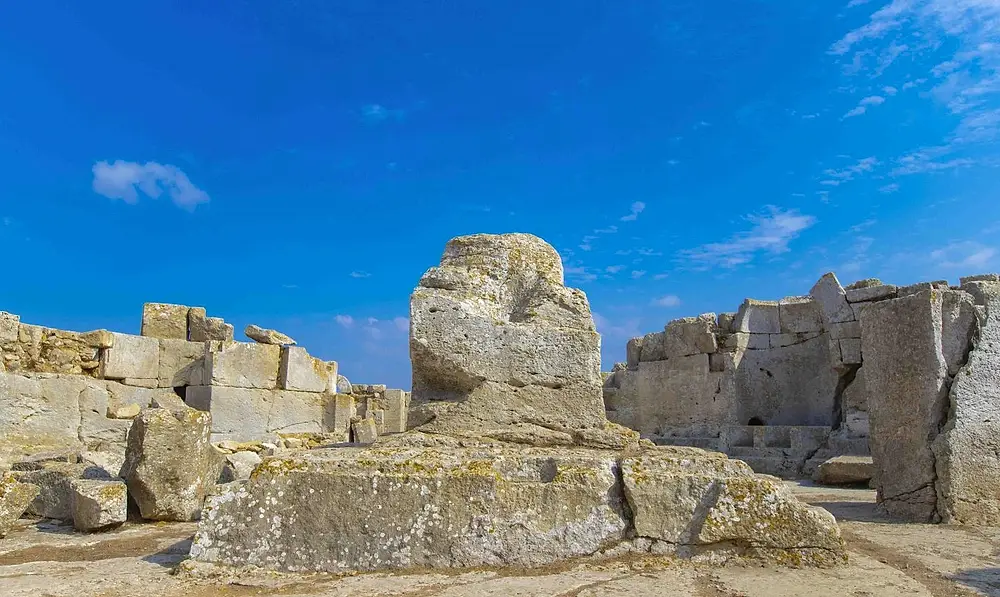
The complex is laid out in the shape of a cross. Within it stand three churches, a baptistery and an octagonal courtyard, and at the centre rises the base of Simeon's column. Cisterns, houses, a kitchen and storerooms survive around it. The monastery is on Türkiye's faith-tourism map.
It rewards visitors who like ruins with atmosphere and wide views.
According to the Ministry’s listing it opens at 08:30 and closes at 17:00 (last entry 16:30). Open every day.
No. This site sells no tickets. Topkapı Palace, the Basilica Cistern, Hagia Sophia and Dolmabahçe Palace are sold on our sister sites; for Monastery of St. Simeon Stylites, buy at the ticket office or on the Ministry’s official e-ticket system.
Monastery of St. Simeon Stylites is in Hatay, Türkiye — Aknehir Mahallesi.
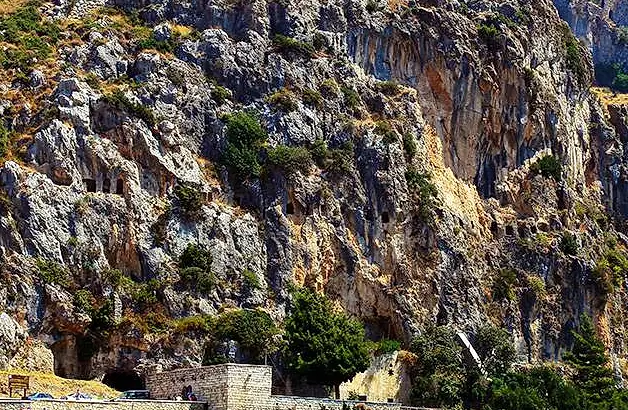
The cave church near Antakya traditionally held to be the first in the world, where the name Christian was first used and popes have marked a place of pilgrimage.
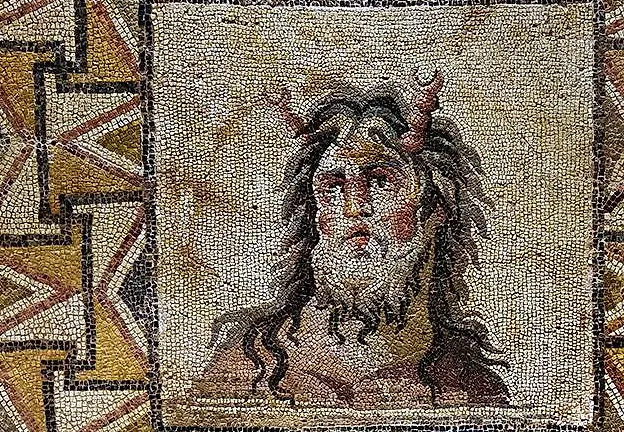
Türkiye's great mosaic museum in Antakya, with thousands of square metres of Roman floors from ancient Antioch, plus Hittite, Hellenistic and Byzantine finds and a superb coin collection.
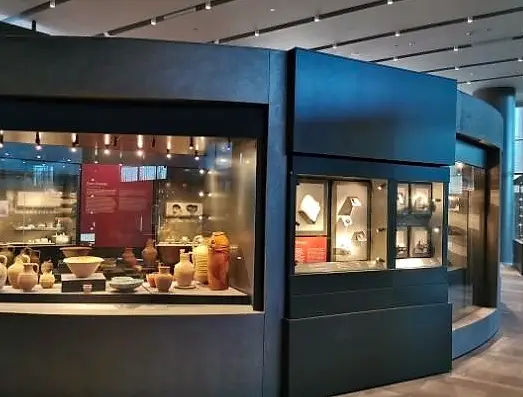
A museum built directly over excavated layers of ancient Antioch in Antakya, preserving Roman floor mosaics where they were found, including one of the largest ever recorded.
Four Istanbul landmarks, each sold on its own site by the agency behind this guide — dated entry and free cancellation up to 24 hours.
The sultans’ palace on Sarayburnu: courtyards, the Imperial Council, the treasury and the terraces over the water. Dated entry, sold online on its own site.
Justinian’s great underground reservoir: 336 columns in still water and the two Medusa heads. Fast-track entry with a digital audio guide.
Justinian’s cathedral, the sultans’ mosque and a working mosque again today. The ticket admits you to the upper visitor gallery.
A nineteenth-century palace on the water’s edge: the Selamlık, the Ceremonial Hall under its chandelier, the crystal staircase and the Harem.


